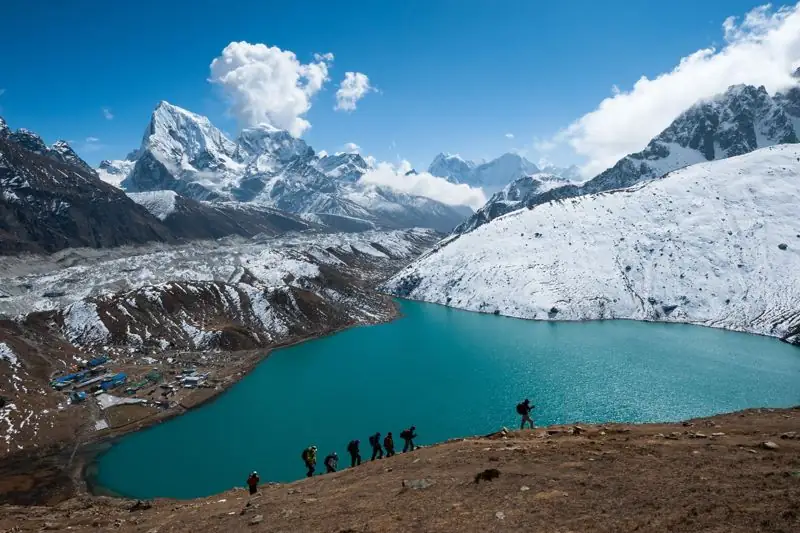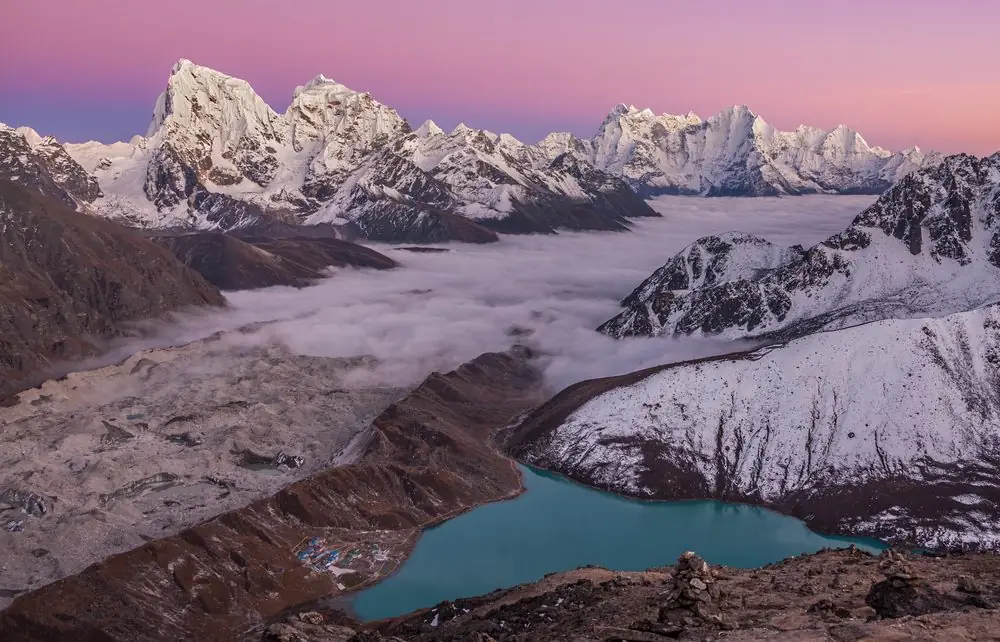
Plan your sleeping height, not just your walking. Above about 3,000 m aim to gain only around 300 to 500 m of sleeping altitude per day, take a rest day every few days, and climb high but sleep low. If symptoms worsen, go down.
The rules that matter
- Gain no more than about 300 to 500 m in sleeping altitude per day above 3,000 m.
- Take a rest day roughly every 1,000 m of height gained or every three to four days.
- Climb high during the day and sleep lower.
- Drink water regularly, eat properly and walk slowly.
Sleeping heights on the standard route
Phakding about 2,610 m, Namche about 3,440 m (two nights), Tengboche about 3,860 m, Dingboche about 4,410 m (two nights), Lobuche about 4,910 m, Gorak Shep about 5,160 m. The jumps from Dingboche to Lobuche and on to Gorak Shep are the ones to watch. See the 14-day itinerary.
What the rest days are for
At Namche, hike toward the Everest View area or Khumjung and return to sleep. At Dingboche, climb the ridge toward 4,800 m and return. The detail is in the acclimatisation rest days guide.
Symptoms to take seriously
A persistent headache, poor appetite, nausea, dizziness and broken sleep can be early altitude sickness. Stop climbing and rest. If symptoms worsen, or you have confusion, loss of balance or severe breathlessness at rest, descend immediately and arrange medical help. Our overview is in insurance and evacuation.
Medication
Some trekkers use preventive medication. Speak to a doctor who knows high-altitude medicine before you travel, and do not use any drug to push higher while sick.
Walk high, sleep low
The classic rule is to climb to a higher point during the day and return to sleep lower. On rest days at Namche and Dingboche this means a short hike of several hundred metres. The body adapts while you rest, and the next day feels easier. Skipping these hikes can slow adaptation.
Hydration, food and sleep
Drink at least three litres of fluid a day, eat even when appetite is poor, and avoid alcohol at height. Sleep is often disturbed above 4,000 m, which is normal. If you wake with a headache, rest and tell your guide rather than pushing on.
Build in slack
A plan with a spare day lets you add a rest night where you need it. See buffer days and how many days to allow.
What our guests say
Excerpts from trekker reviews on our reviews page.
“Everything was handled professionally and with great attention to detail, from permits to on-ground support.”