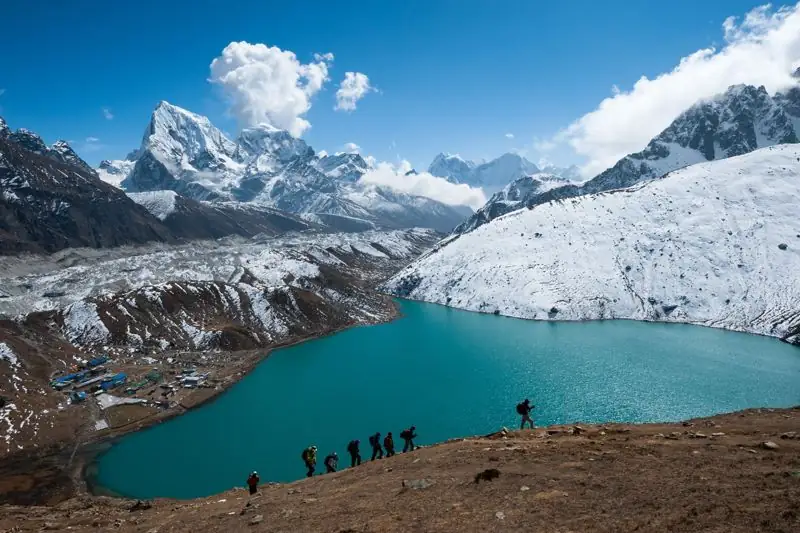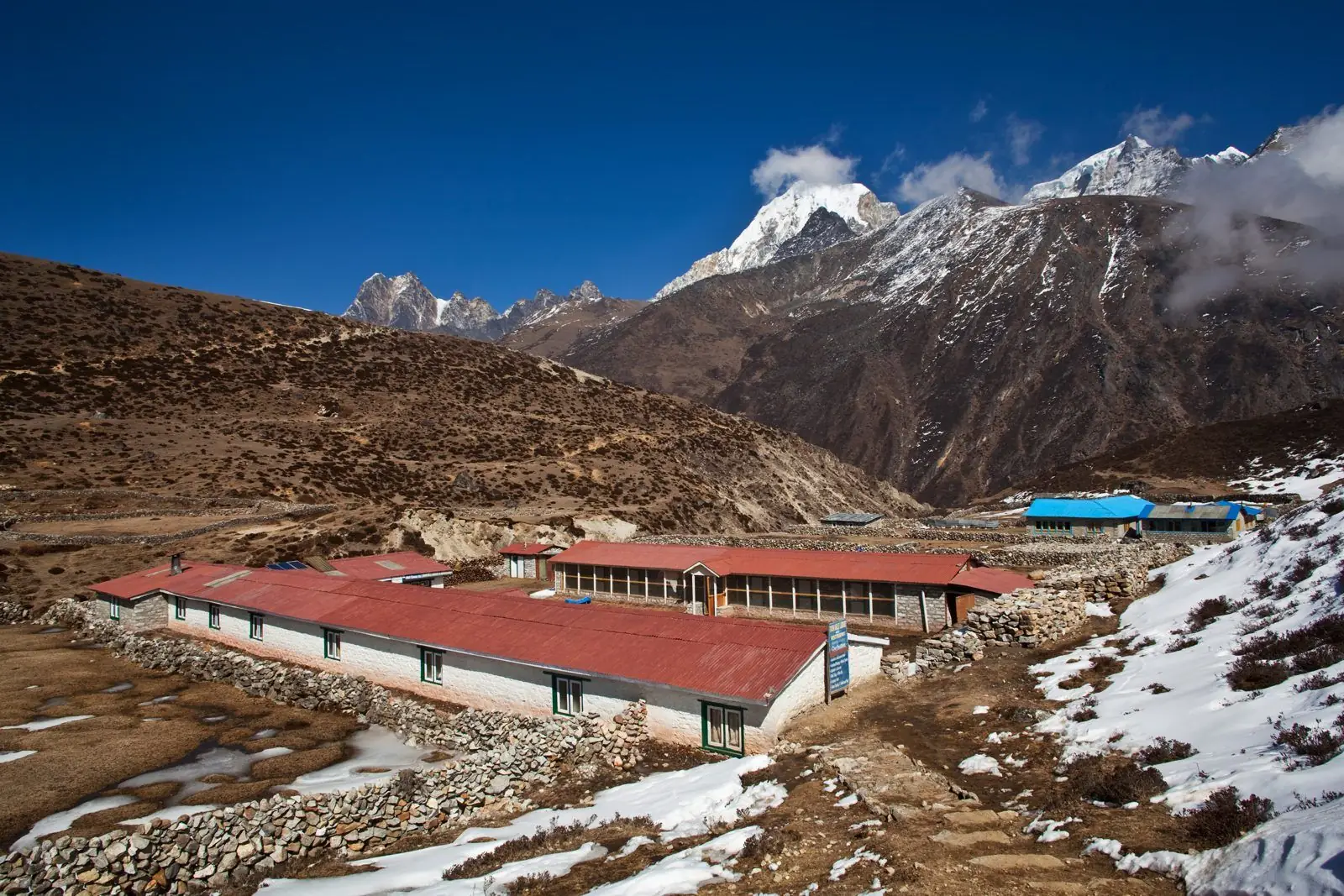
The two main trekking seasons are spring, from about March to May, and autumn, from late September to November. Both offer stable weather, but they feel different, and the right choice depends on what you want to see and how much cold and crowding you can tolerate.
Autumn: late September to November
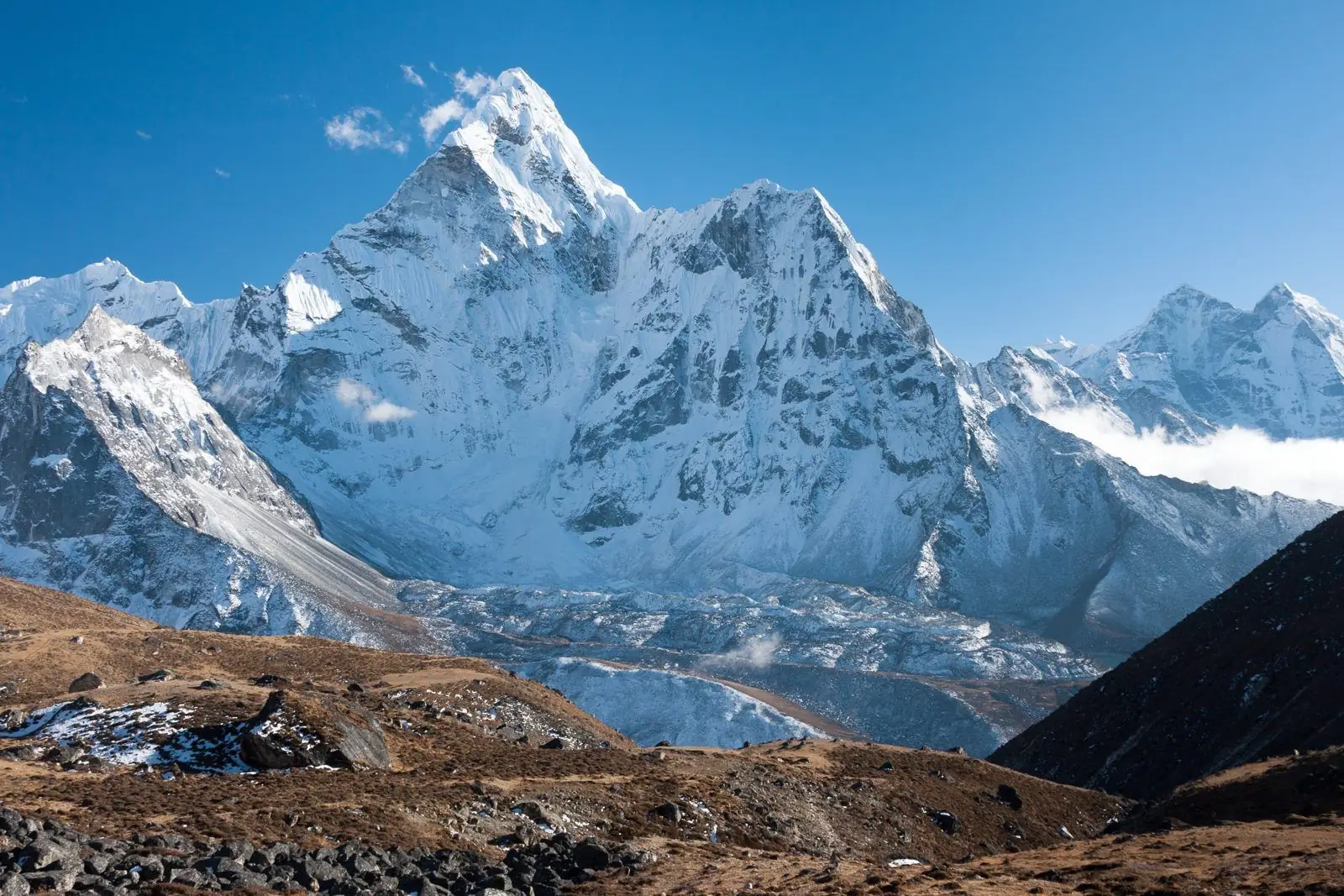
The monsoon has just washed the air, so mountain views are often at their sharpest. Days are clear and dry, with settled weather through most of October. This is also the busiest period, so rooms in popular villages fill early and trails can feel crowded. November brings colder nights, especially above 4,500 m, but the skies stay clear.
Spring: March to May
Spring is slightly warmer than autumn and brings rhododendrons in bloom on the lower trail, usually in April. Haze can build later in the season, and afternoon cloud is more common than in autumn. Expedition teams are at base camp in April and May, which gives the area a lively atmosphere and a view of the tent village.
Which month to pick
- Clearest mountain views: October and early November.
- Flowers and warmer days: April.
- Fewer people: late November, early March, or the shoulder weeks at either end.
- Coldest conditions: December to February.
Flights and weather windows
Mornings are usually the best time to fly to Lukla, because afternoon cloud builds in the valley. In any season, keep a spare day or two in your plan because weather can still delay flights. Mountain weather is local and changes quickly, so no month is guaranteed.
Off-season trekking
Winter and the monsoon are possible, and some people prefer the quiet. They require more planning, better kit and a flexible schedule. See the pages on winter and monsoon trekking for details on what to expect and how to prepare.
Month-by-month feel
Thinking in months helps you match the trek to your own priorities. March is cold at height but the first rhododendrons start to flower lower down. April and early May are warmer and bring the best colours in the forests, though afternoon haze can soften distant views. June sees the monsoon building. September can still be wet at lower altitudes, October is the classic clear-sky month with the busiest trails, and November is colder but often exceptionally clear. December to February is quiet and cold. No month is perfect, but each has its own character.
Crowds and booking pressure
The popular windows have a price beyond money. Lodges in Dingboche, Lobuche and Gorak Shep fill quickly, and in the peak weeks you may share dining rooms with several large groups, queue for charging points and find the trail busy with yaks and porters. Booking early secures better rooms and flight seats, and a slightly earlier or later start in the season often gives a quieter experience without much change in weather.
Festivals and cultural timing
If you are interested in culture, check the calendar of local festivals. The Mani Rimdu festival at Tengboche, usually held in autumn, draws visitors and fills lodges, but it is a memorable chance to see monastic dances. Plan around such events if you want to attend them, and avoid them if you want a quiet trail.
Choosing for your own reasons
- Prefer warmer days and flowers: choose April to early May.
- Prefer the clearest mountain air: choose October to November.
- Prefer quiet trails and are willing to wear more layers: consider late November or February.
- Have a fixed holiday window: pick the closest good month and add buffer days for flights.
What our guests say
Excerpts from guest reviews of Himalayan Wonders, our parent company, on Tripadvisor.
“I had an incredible experience with Himalayan Wonders on my Everest Base Camp trek.”