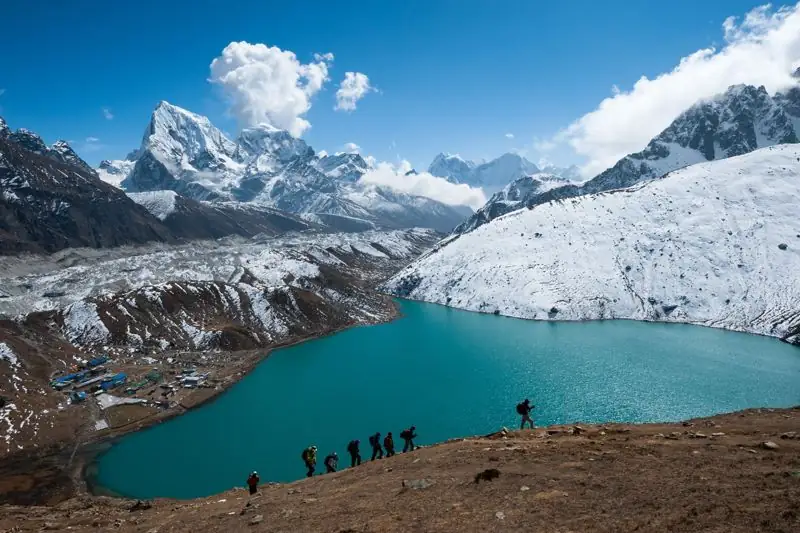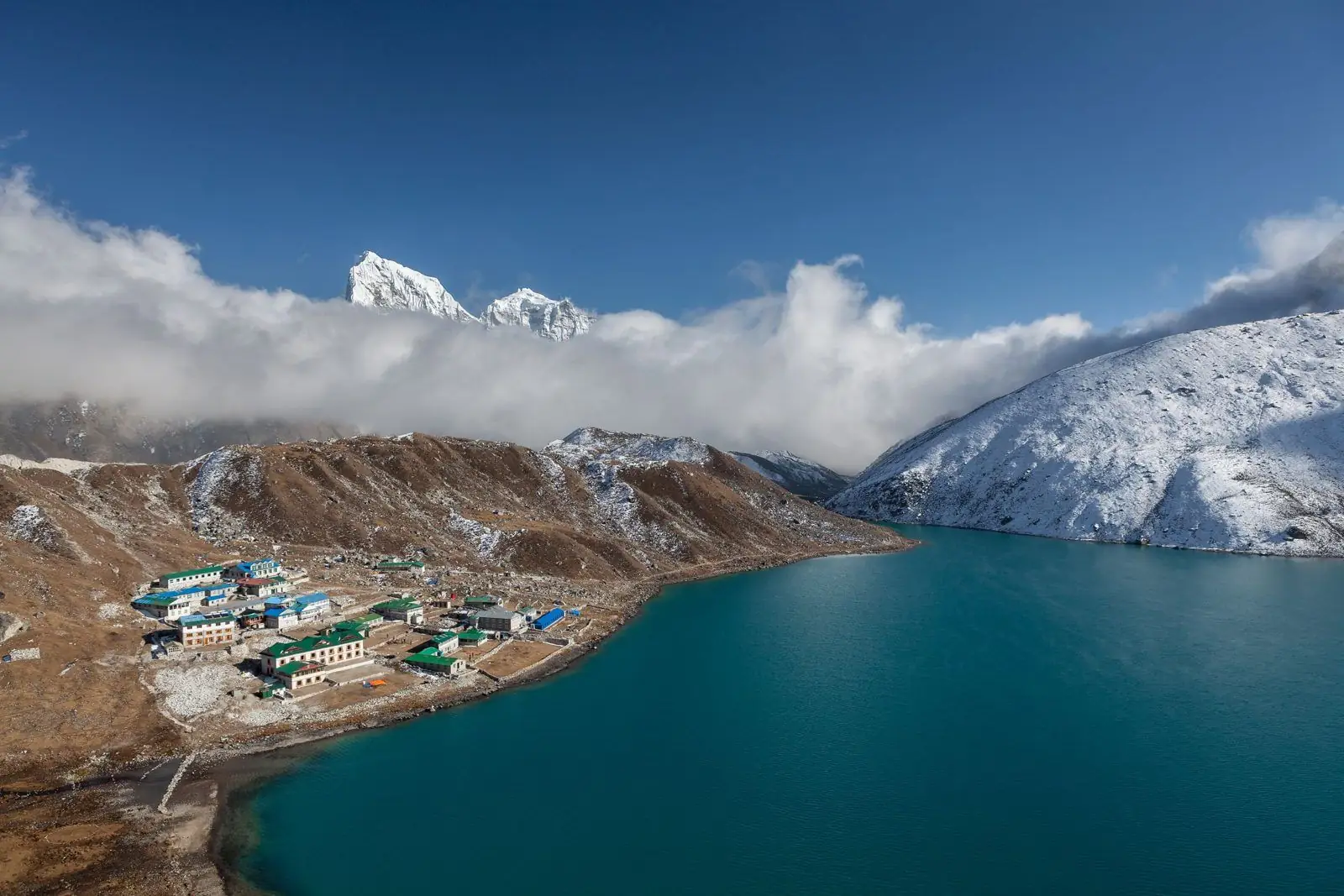
Winter trekking in Khumbu, roughly December to February, is quieter and often crystal clear, but it is a cold experience. Daytime temperatures can feel pleasant in the sun, while nights in the upper villages fall well below freezing, and rooms and dining halls may not be heated.
What winter is like
- Visibility: skies are often cloud-free, so mountain views can be superb.
- Crowds: far fewer trekkers, which means easy room availability and a quieter trail.
- Cold: temperatures at Dingboche, Lobuche and Gorak Shep can drop well below minus 10 degrees Celsius overnight.
- Daylight: the days are short, so you have less walking time and must start promptly.
Practical challenges
Some lodges, especially in the highest villages, close for the winter, so your options for places to stay are narrower. Water pipes freeze, taps may be switched off, and washing is limited. After snowfall, parts of the trail can be icy and slow, and the higher passes may be blocked. Flights to Lukla are not immune to weather delays either.
How to prepare
You need a sleeping bag rated for severe cold, a proper down jacket, insulated boots, a warm hat and liner gloves with overmitts, and a way to keep drinking water from freezing, such as an insulated bottle kept inside your jacket or sleeping bag. Warm layers for evenings in an unheated dining room matter more than you expect.
Health considerations
Cold increases the risk of frostbite and makes it harder to sleep well, which can mask or mimic altitude symptoms. Keep extremities protected and tell your guide early about numb fingers or toes. Do not shorten your acclimatisation days to save time.
Who should go
Winter suits confident trekkers with cold-weather experience who value solitude over comfort. If you are new to high altitude or prefer a heated room at night, spring or autumn is a better first choice.
The rewards of going in winter
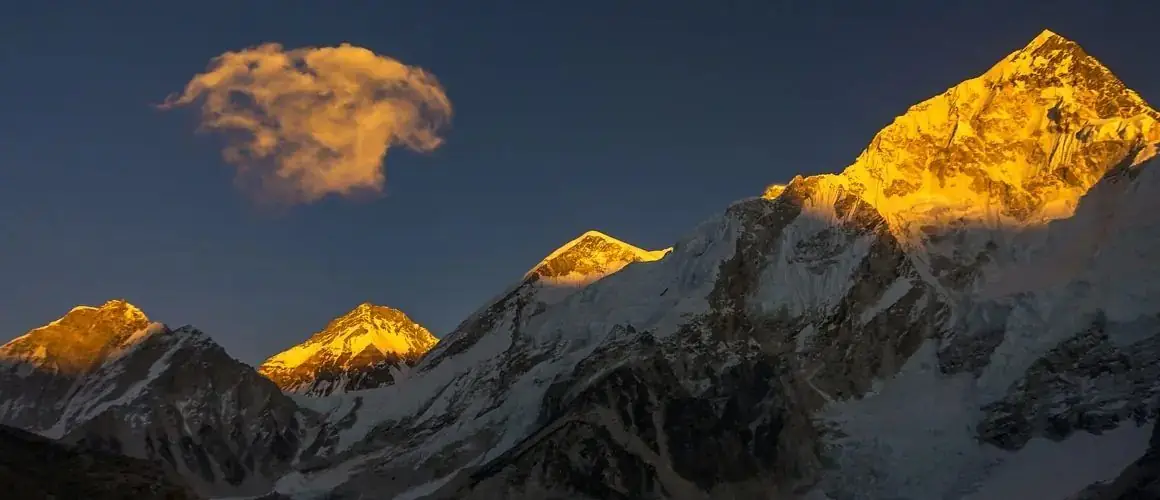
Winter trekking is not for everyone, but those who go often love it. The air is dry and sharp, the skies can be a deep blue, and the trails are almost empty. Lodges that are crowded in October have spare rooms, the staff have more time to talk, and the villages feel more like themselves. Sunrise and sunset on snow-covered ridges can be spectacular, and photographers often prefer the clarity and long shadows of the season.
What closes and what stays open
Some lodges at the highest points close for the winter, and menus can be shorter. Facilities such as hot showers and wifi may be limited or unavailable. Many lodges stay open in Namche, Tengboche, Dingboche and the main route, but you should confirm your itinerary with the operator and understand which places will be available on your dates. Do not assume that everything you read about the main season applies.
Staying safe and comfortable
Cold is the main challenge. Frostbite and hypothermia are real risks if you are poorly equipped or stop for too long, so keep moving steadily, change damp clothes quickly and protect your hands, feet and face. Water bottles can freeze overnight, so store them upside down or inside your sleeping bag, and ask the lodge to fill a flask with hot water for the evening. A good down sleeping bag, a warm hat and insulated boots matter more than anything else.
Other practical points
- Daylight is short, so start early and aim to reach each village before the afternoon cold.
- Snow or ice on the trail may make traction devices or poles even more useful.
- Flights to Lukla can be affected by winter fog and wind, so keep your schedule flexible.
- Discuss the plan with your operator and confirm what happens if a pass or section becomes difficult.
What our guests say
Excerpts from guest reviews of Himalayan Wonders, our parent company, on Tripadvisor.
“Garba Rai was the best I could have hoped for.”