 By
The best Himalayan treks range from a three-day walk in Kashmir to the 25-day Snowman crossing in Bhutan. This guide ranks 15 of them across Nepal, India, Tibet, Bhutan and Pakistan, with typical days, highest point, best months and trek style for each, so you can compare them quickly and pick the one that fits your time and fitness.
The short answer
- Best classic: Everest Base Camp in Nepal, with teahouses and big mountain views in about 14 days.
- Best first trek: Poon Hill or Annapurna Base Camp, which are shorter and lower.
- Best for solitude: Manaslu, Makalu or Upper Mustang.
- Best in monsoon: Upper Mustang in Nepal and Markha Valley in Ladakh, both in the rain shadow.
- Hardest: the Snowman trek in Bhutan, at about 25 days.
Last checked: 28 October 2026. Seasons, permit rules and access change, so confirm them with your operator before you book.

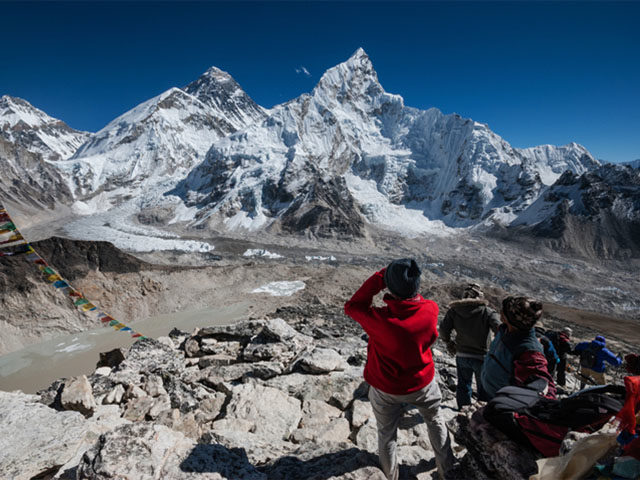
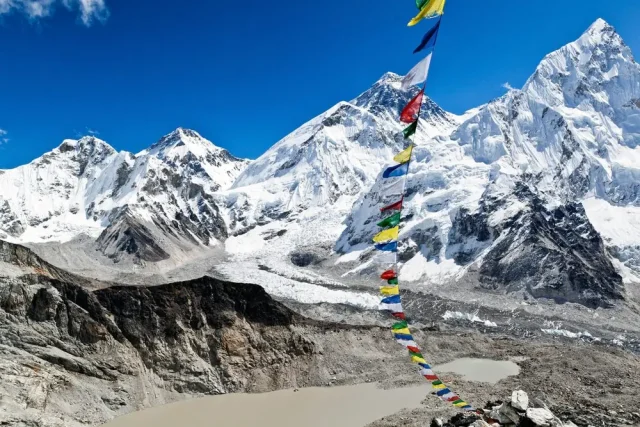
Everest from a high viewpoint in the Khumbu, with a stone cairn in the foreground.
In this guide: Comparison table | Nepal | India | Tibet | Bhutan | Pakistan | How to choose | FAQ
Himalayan treks compared
Figures are typical and vary by itinerary. Altitudes are rounded.
| # | Trek | Country | Typical days | Highest point | Best months |
|---|---|---|---|---|---|
| 1 | Everest Base Camp | Nepal | 14 days | Kala Patthar, 5,545 m | March to May, October to November |
| 2 | Annapurna Base Camp and Poon Hill | Nepal | 9 to 14 days | Annapurna Base Camp, 4,130 m; Poon Hill, 3,210 m | March to May, October to November |
| 3 | Annapurna Circuit | Nepal | 16 to 18 days | Thorong La, 5,416 m | March to May, October to November |
| 4 | Manaslu Circuit | Nepal | 14 to 18 days | Larkya La, 5,106 m | March to May, September to November |
| 5 | Makalu Base Camp | Nepal | 16 to 23 days | Makalu Base Camp, about 4,870 m | March to May, October to November |
| 6 | Upper Mustang | Nepal | 12 to 18 days | Lo Manthang, 3,840 m | March to November |
| 7 | Goecha La, Sikkim | India | 8 to 10 days | Goecha La, about 4,900 m | April to May, October to November |
| 8 | Gangotri and Gomukh | India | 6 to 8 days | Gomukh, about 3,890 m | May to June, September to October |
| 9 | Frozen River Trek, Zanskar | India | 6 to 9 days | About 3,500 m | Late January to February |
| 10 | Markha Valley, Ladakh | India | 6 to 8 days | Kongmaru La, just over 5,200 m | June to September |
| 11 | Kolahoi Glacier, Kashmir | India | 3 to 4 days | Above 3,500 m | July to September |
| 12 | Everest Advanced Base Camp, Tibet | Tibet (China) | Part of a Tibet tour of about 14 days | About 6,400 m | May to September |
| 13 | Chomolhari Trek, Bhutan | Bhutan | 9 to 10 days | Almost 5,000 m | April to May, October to November |
| 14 | Snowman Trek, Bhutan | Bhutan | About 25 days | Rinchen Zoe La, 5,320 m | September to October |
| 15 | K2 Base Camp and Concordia | Pakistan | About 20 days | K2 Base Camp, about 5,150 m | June to August |
The best treks in Nepal
Nepal has eight of the world’s 14 peaks above 8,000 m and a network of teahouse trails, which makes it the easiest place to trek in the high Himalaya.
1. Everest Base Camp
Everest from a high viewpoint in the Khumbu, with a stone cairn in the foreground.
At a glance: 14 days | Highest point: Kala Patthar, 5,545 m | Best: March to May, October to November | Style: Teahouse
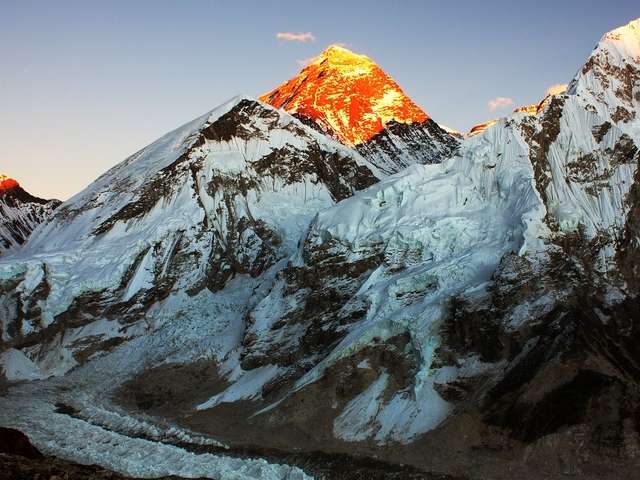
The Khumbu route is the benchmark for teahouse trekking. A well-worn trail climbs from Lukla through Sherpa villages and monasteries to Base Camp at 5,364 m, with Ama Dablam, Lhotse, Nuptse and Pumori in view for most of the way. Everest itself is hidden by Nuptse from Base Camp, so the classic summit view comes from Kala Patthar. Spring and autumn give the clearest weather, while winter is colder and quieter.
Plan it: Everest Base Camp trek, 14 days | Complete trek guide
2. Annapurna Base Camp and Poon Hill

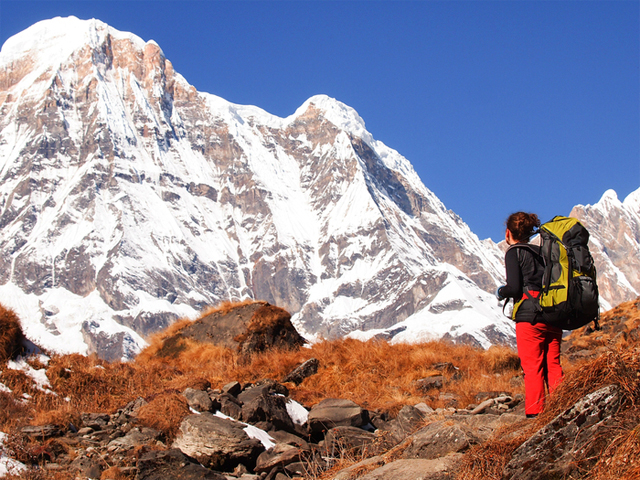
Prayer flags in the Annapurna region.
At a glance: 9 to 14 days | Highest point: Annapurna Base Camp, 4,130 m; Poon Hill, 3,210 m | Best: March to May, October to November | Style: Teahouse
These are two treks that combine well. Poon Hill is the short one, a sunrise climb above Ghorepani with a long skyline of Dhaulagiri and the Annapurnas. Annapurna Base Camp goes deeper into the Sanctuary, a bowl of peaks ringed by Annapurna I at 8,091 m, with Machapuchare (6,993 m) standing close by. The trail uses stone steps and rhododendron forest and is a gentler first Himalayan trek than Everest.
Plan it: Annapurna Base Camp, 14 days | Annapurna Base Camp, 10 days | Poon Hill trek | Everest vs Annapurna Base Camp
3. Annapurna Circuit
At a glance: 16 to 18 days | Highest point: Thorong La, 5,416 m | Best: March to May, October to November | Style: Teahouse
The circuit goes around the whole Annapurna massif, so the scenery changes more than on any other Nepal teahouse trek. Rice terraces give way to pine forest, then to the dry, windswept Manang valley, before the climb over Thorong La at 5,416 m and the drop to Muktinath and the Kali Gandaki. Roads now reach parts of the route, but the high section still feels remote. A gradual ascent and a rest day in Manang are important for the pass.
Plan it: Annapurna Circuit, 18 days | Crossing Thorong La
4. Manaslu Circuit

The Manaslu Circuit trail.
At a glance: 14 to 18 days | Highest point: Larkya La, 5,106 m | Best: March to May, September to November | Style: Teahouse (restricted area)
Manaslu, at 8,163 m the eighth highest mountain on earth, is circled by a quieter trail than the Annapurna Circuit. The route follows the Budhi Gandaki through Gurung and Tibetan-influenced villages, then climbs over Larkya La. It lies in a restricted area, so a special permit and a licensed guide are required, which also keeps visitor numbers lower.
Plan it: Manaslu Circuit trek | Manaslu vs Annapurna Circuit
5. Makalu Base Camp

Makalu in eastern Nepal.
At a glance: 16 to 23 days | Highest point: Makalu Base Camp, about 4,870 m | Best: March to May, October to November | Style: Remote, basic lodges or camping
Makalu is the fifth highest mountain in the world at 8,485 m, and its base camp trek is among the wildest in Nepal. It starts in the warm eastern foothills and follows the Arun and Barun valleys, passing through subtropical forest, bamboo, alpine meadows and finally the glaciers beneath the peak. Facilities are basic, the days are long, and few trekkers come, which is the appeal.
Plan it: Makalu Base Camp trek
6. Upper Mustang

Jarkot village in Mustang.
At a glance: 12 to 18 days | Highest point: Lo Manthang, 3,840 m | Best: March to November | Style: Teahouse (restricted area)
Upper Mustang sits in the rain shadow of the Himalaya, so the landscape is dry, eroded and almost Tibetan, with red cliffs, caves and whitewashed monasteries. The trail leads north from Jomsom through Kagbeni to the walled town of Lo Manthang, once the capital of an independent kingdom. A special restricted-area permit is required, and the monsoon rarely reaches the valley, which makes it a good summer option.
Plan it: Upper Mustang trek | Upper Mustang altitude guide
The best treks in India
The Indian Himalaya runs from Sikkim in the east to Kashmir in the west, and its climates range from monsoon forest to high desert.
7. Goecha La, Sikkim

Kangchenjunga from Pelling, Sikkim.
At a glance: 8 to 10 days | Highest point: Goecha La, about 4,900 m | Best: April to May, October to November | Style: Camping
This Sikkim trek climbs from the village of Yuksom through rain forest into rhododendron groves that bloom in spring. Dzongri Top gives a first view of Kangchenjunga and Pandim, and the trail goes on to Samiti Lake and the pass at Goecha La, where the southeast face of Kangchenjunga fills the horizon. The monsoon is heavy here, so the dry windows matter.
Plan it: Goecha La, 10 days | Sikkim
8. Gangotri and Gomukh

The Gangotri glacier region.
At a glance: 6 to 8 days | Highest point: Gomukh, about 3,890 m | Best: May to June, September to October | Style: Teahouse and camping
The path from the temple town of Gangotri follows the Bhagirathi to Gomukh, the snout of the Gangotri glacier and the traditional source of the Ganges. The distance is short but the altitude and terrain are real, and the view of Shivling and the Bhagirathi peaks makes the effort worthwhile. A permit is needed to enter the park, so check ahead.
Plan it: Gangotri trek
9. Frozen River Trek, Zanskar

Trekkers on the frozen Zanskar River.
At a glance: 6 to 9 days | Highest point: About 3,500 m | Best: Late January to February | Style: Camping on the ice
In midwinter the Zanskar River freezes into a natural path that locals once used to travel between the valley and Leh. Trekkers follow the same ice between canyon walls, in daytime temperatures well below freezing and nights that can fall to about minus 25 C. The ice is unpredictable, so this trek needs experienced guides and a flexible schedule.
Plan it: Frozen River trek | Zingchen to Chilling
10. Markha Valley, Ladakh

The Markha Valley in Ladakh.
At a glance: 6 to 8 days | Highest point: Kongmaru La, just over 5,200 m | Best: June to September | Style: Camping or homestays
Ladakh stays dry when the monsoon soaks the rest of the range, so the Markha Valley is a summer trek. The route follows the river past Buddhist villages and monasteries and crosses the Kongmaru La, with the Kang Yatze peak above the trail. It combines well with Stok Kangri, a 6,150 m trekking peak, but that climb needs proper acclimatisation.
Plan it: Markha Valley trek | Markha Valley with Stok Kangri
11. Kolahoi Glacier, Kashmir

Kolahoi peak and glacier in Kashmir.
At a glance: 3 to 4 days | Highest point: Above 3,500 m | Best: July to September | Style: Camping
A short trek through the Lidder valley, with pine forests, meadows full of wildflowers and nomadic Gujjar herders in summer. The trail ends with a view of the Kolahoi glacier below the peak. It is a gentle first trek in Kashmir. Check your government’s current travel advice for Kashmir before you plan.
Plan it: Kolahoi Glacier trek
The best trek in Tibet
Tibet is colder and drier than Nepal and India, and the best season is May to September.
12. Everest Advanced Base Camp, Tibet

Everest from the Tibetan side.
At a glance: Part of a Tibet tour of about 14 days | Highest point: About 6,400 m | Best: May to September | Style: Camping and guesthouses
The north side of Everest can be reached by road to Base Camp at about 5,200 m, but the real trek is the walk up the Rongbuk valley to Advanced Base Camp, near 6,400 m. That is as high as you can go on Everest without a climbing permit. Time in Lhasa at 3,650 m helps with acclimatisation. Entry to Tibet needs permits arranged by a licensed agency.
Plan it: Advanced Base Camp trek | The world’s highest trek
The best treks in Bhutan
Bhutan allows trekking but bans mountaineering, so its high peaks stay unclimbed.
13. Chomolhari Trek, Bhutan

Jomolhari in Bhutan.
At a glance: 9 to 10 days | Highest point: Almost 5,000 m | Best: April to May, October to November | Style: Camping
Starting in the Paro valley, this trek climbs toward the foot of Chomolhari (7,326 m), a peak sacred in Bhutan and closed to climbers. The route combines forest, yak pastures and high passes with the culture of western Bhutan. Bhutan bans mountaineering, so trekking is the way to see its high peaks.
Plan it: Bhutan treks
14. Snowman Trek, Bhutan
At a glance: About 25 days | Highest point: Rinchen Zoe La, 5,320 m | Best: September to October | Style: Camping
The Snowman trek crosses about eleven high passes between Bhutan and the Tibetan border, with several above 5,000 m. It is often called the hardest long trek in the Himalaya, because the weather turns early and the remote sections leave little room for retreat. Many groups turn back when snow closes a pass. Autumn gives the best chance.
Plan it: Bhutan treks
The best trek in Pakistan
The Karakoram is a separate range, but its biggest trek belongs in any serious list.
15. K2 Base Camp and Concordia

K2 in the Karakoram.
At a glance: About 20 days | Highest point: K2 Base Camp, about 5,150 m | Best: June to August | Style: Camping with porters
K2 is the second highest mountain on earth, at 8,611 m. The trek runs up the Baltoro glacier to Concordia, where K2, Broad Peak and Gasherbrum I and II rise around a single junction of glaciers. The Karakoram is technically a separate range from the Himalaya, but the trek belongs on any list of great mountain walks. It is hard to organise, and travellers should check their government’s current travel advice for Pakistan before planning.
More Nepal treks worth planning
Langtang is the closest big trek to Kathmandu, see the Langtang and Gosaikunda trek. For lakes and high passes in the Khumbu, see Everest Base Camp with Gokyo Lakes and the Three Passes trek. For the third highest mountain, see Kanchenjunga.
How to choose the right Himalayan trek
- Time: under 10 days points to Poon Hill, Annapurna Base Camp or Kolahoi. Two weeks suits Everest Base Camp. Three weeks or more opens up Manaslu, Makalu and the Snowman.
- Altitude: Poon Hill peaks at 3,210 m, Everest Base Camp trek at 5,545 m, and Advanced Base Camp in Tibet is near 6,400 m. Build in rest days for any trek above 3,500 m.
- Season: Nepal is best in spring and autumn, Ladakh in summer, and Bhutan in spring and autumn.
- Comfort: teahouse treks in Nepal give a bed and a hot meal each night, while Makalu, the Snowman and K2 need camping or basic lodges.
- Permits: Manaslu and Upper Mustang need restricted-area permits and licensed guides. Tibet needs permits arranged through an agency.
FAQ
What is the best trek in the Himalayas? For most trekkers it is Everest Base Camp, because of its trail, teahouses and views. For a shorter trek, choose Poon Hill or Annapurna Base Camp.
Which Himalayan trek is best for beginners? Poon Hill and Annapurna Base Camp in Nepal are the easiest of the high treks, and Kolahoi Glacier in Kashmir is a short, gentle option.
Which Himalayan trek is the hardest? The Snowman trek in Bhutan is usually called the hardest, with about 25 days and several passes above 5,000 m.
Which Himalayan trek has the fewest people? Makalu, Manaslu and Upper Mustang see far fewer visitors than Everest or Annapurna.
What is the best time to trek in the Himalayas? March to May and October to November for Nepal and Bhutan. June to September for Ladakh. January and February for the frozen river trek.
Which treks can I do in the monsoon? Upper Mustang in Nepal and the Markha Valley in Ladakh are in the rain shadow, so they stay dry in summer.
Do I need a guide for Himalayan treks? Manaslu and Upper Mustang require a licensed guide. Most other Nepal treks do not, but a guide is strongly recommended at altitude.
Do Indian citizens need a visa for Nepal? No. The Nepal Tourism Board says Indian nationals do not need a visa to enter Nepal.
How high is the highest Himalayan trek? The Everest Advanced Base Camp trek in Tibet reaches about 6,400 m, which is the highest regular trek.
Is K2 part of the Himalaya? No. K2 lies in the Karakoram, a neighbouring range, although the trek is often grouped with Himalayan treks.
Which treks does Base Camp Hikes offer? The team runs Nepal treks such as Everest Base Camp, Annapurna Base Camp, Poon Hill, the Annapurna Circuit and Manaslu, as well as selected treks in India, Bhutan and Tibet.
Plan your Himalayan trek with Base Camp Hikes
Start with the Everest Base Camp trek or browse all Nepal treks. To ask about dates, message the team on WhatsApp or phone at +91 932 595 1234 (9 am to 7 pm IST), write to info@basecamphikes.com, or use the enquiry form.
Sources
- Nepal Tourism Board: climate
- Nepal Tourism Board: safety in the mountains
- Nepal Tourism Board: visa information