
 By
●Khumbu route open: last checked 13 October 2026
Everest Base Camp (5,364 m) is Nepal’s best-known trek. It follows the Dudh Kosi and Imja valleys through Sherpa villages to the foot of the Khumbu Glacier, with a dawn climb to Kala Patthar (5,545 m) for the closest view of Everest. This guide covers the route, cost, season, difficulty, permits and packing for 2027, based on our own 14-day itinerary and the information we have as of 14 October 2026. Permit fees, flight arrangements and prices for 2027 may change, so please confirm them with us when you book.
1. Introduction to the Everest Base Camp Trek
The trek starts with a flight to Lukla and follows teahouse trails to Namche Bazaar, Dingboche, Lobuche and Gorakshep, then to Base Camp itself. It needs no climbing skills, but it demands fitness and careful acclimatisation, because you sleep above 5,000 m. Most trekkers complete it in 12 to 14 days.
| Detail | Information |
|---|---|
| Duration | 14 days Kathmandu to Kathmandu (our standard itinerary) |
| Highest points | Everest Base Camp 5,364 m; Kala Patthar 5,545 m |
| Grade | Strenuous |
| Accommodation | Teahouses, usually shared twin rooms |
| Group size | 1 to 10 trekkers; solo travellers pay no extra fee on group departures |
| Best seasons | March to May; September to November (December is possible, but cold) |
2. Everest Base Camp Trek Highlights
- Lukla flight. The mountain airstrip is the gateway to the Khumbu.
- Namche Bazaar. The Sherpa trading town at 3,440 m, reached over the Hillary suspension bridge.
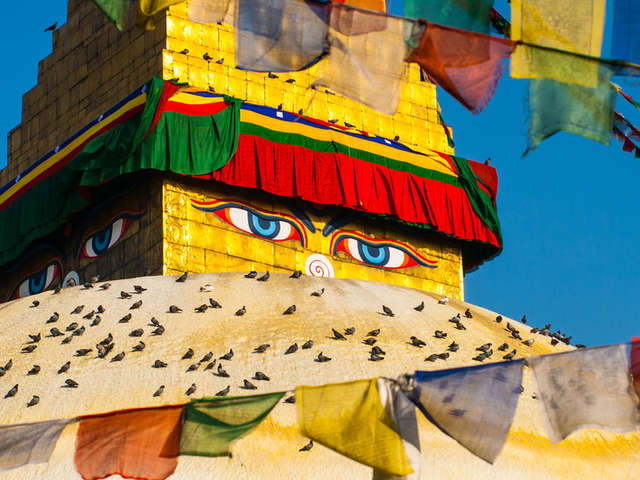
- Sherpa culture. Monasteries, prayer walls and memorial stupas along the route.
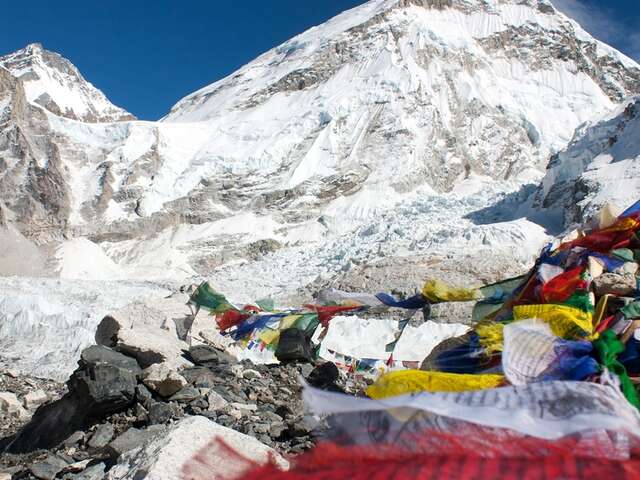
- Khumbu Glacier. The trail follows the moraine to Gorakshep and Base Camp.
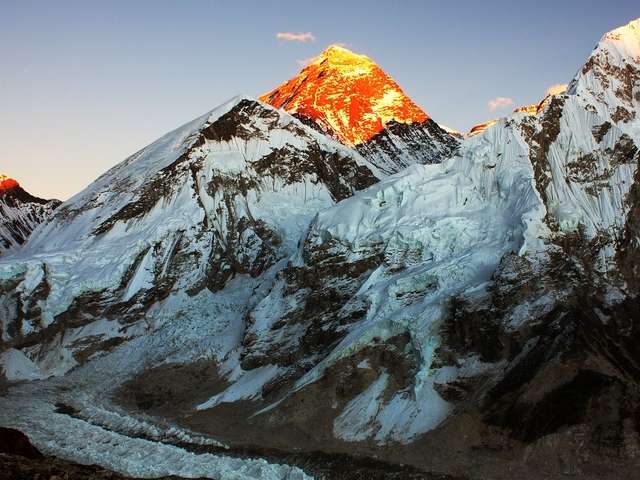
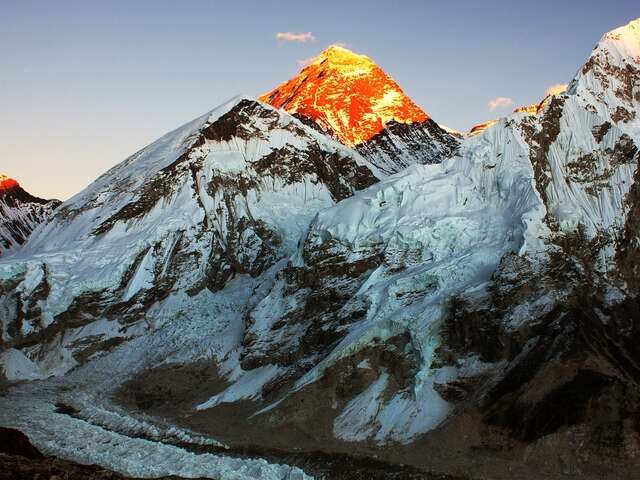
- Kala Patthar sunrise. The best viewpoint for Everest, Nuptse and Lhotse.
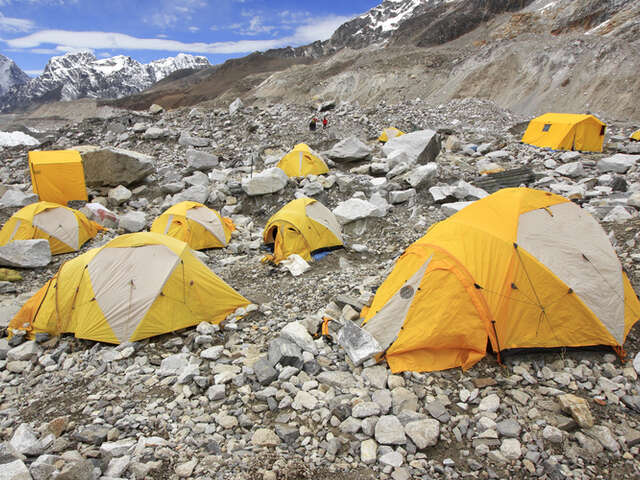
Everest Base Camp
Sagarmatha National Park and its wildlife
The whole route inside the Khumbu lies in Sagarmatha National Park, which covers about 1,148 sq km, was established in 1976 and has been a UNESCO World Heritage Site since 1979. It runs from roughly 2,845 m near Monjo to the summit of Everest at about 8,849 m, and most of its area is barren rock and ice above 5,000 m. Lower down you walk through fir, birch and rhododendron forest, then juniper scrub, then bare moraine with only mosses and lichens.
The park shelters Himalayan tahr, musk deer, Himalayan serow and, very rarely seen, the snow leopard, which lives above about 3,500 m. More than 200 bird species have been recorded, and the Himalayan monal, known in Nepal as the danphe and the national bird, is often seen on the lower trail with its metallic plumage. Wildlife is protected, so keep a safe distance and never feed animals.
Sherpa culture, monasteries and trail etiquette
The Khumbu is the homeland of the Sherpa people, Tibetan Buddhists whose villages, monasteries and festivals shape the trek. Tengboche monastery, the largest in the region, stands on a ridge with a view of Ama Dablam, and the Mani Rimdu festival of masked dance is held there each autumn. Namche Bazaar is the trading centre, with a weekly Saturday market, shops, bakeries and a Sherpa museum.
- Mani walls, chortens and prayer wheels. Pass them with the structure on your right, so that you walk clockwise, and spin prayer wheels clockwise.
- Monasteries. Dress modestly, remove shoes and hats before entering a prayer hall, and ask before photographing monks or ceremonies.
- Yak trains and porters. Step to the uphill side of the trail and wait for animals to pass, especially on bridges and cliff paths.
- Memorials. The stupas near Dughla commemorate climbers and Sherpas who died on Everest. Treat them with respect.
3. How Many Days Does the Trek Take?
Our standard plan is 14 days, with 10 trekking days, two acclimatisation days and a hotel night at each end. A shorter plan is possible but leaves less margin for altitude and flight delays. A longer plan adds the Gokyo Lakes or the three high passes (see the packages below). Keep at least one spare day at the end of any plan, because Lukla flights are often delayed by weather.
Best months for Everest Base Camp

Which itinerary suits you?
| Itinerary | Days | Best for |
|---|---|---|
| Everest Base Camp Trek | 14 | Most first-time trekkers; the classic route to Base Camp and Kala Patthar |
| Gokyo and Renjo La Pass Trek | 14 | Trekkers who want lakes and quieter trails instead of Base Camp |
| Everest Base Camp and Gokyo Lakes | 17 | Fit trekkers who want both Base Camp and the Gokyo valley |
| Three Passes and Everest Base Camp | 20 | Experienced high-altitude trekkers who want a demanding loop |
| Everest Base Camp Trek from Jiri | 22 | Those who want the original foot approach through the lower hills |
| Everest Base Camp Luxury Trek | 14 | Trekkers who prefer a higher level of comfort |
When to book. Lodges and flights fill up in October and in April and May, so we suggest booking several months ahead for those dates. November and December departures are usually easier to arrange.
The chart shows the general pattern. September to November has the most stable weather and the busiest lodges. March to May is warmer, with rhododendron bloom on the lower trail and cloud in the afternoons. December to February is cold, with sub-zero nights and possible snow. June to August is monsoon, with rain, leeches and poor views.
4. Everest Base Camp Trek Itinerary
Route map: the 14-day trek on the ground

Village positions are approximate and the line is schematic (north is up). Numbers match the day-by-day list.
Our 14-day itinerary: sleeping altitude by day (schematic)
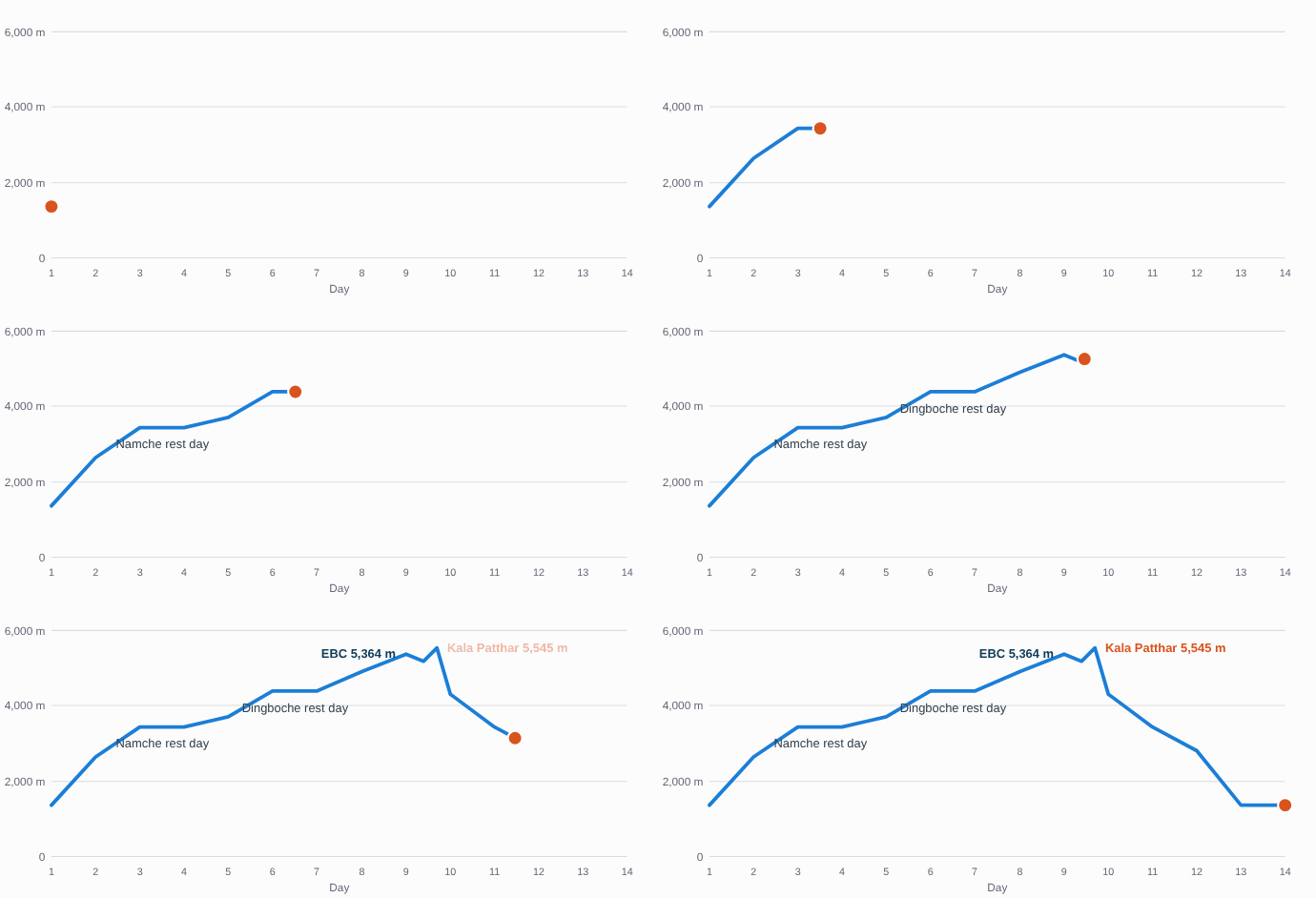
Indicative shape from the itinerary altitudes; not to scale in distance. EBC and Kala Patthar are day-trip highs.
| Day | Route | Overnight altitude | Walking |
|---|---|---|---|
| 1 | Arrive in Kathmandu; briefing | 1,350 m | |
| 2 | Fly to Lukla (via Ramechhap in peak season); walk to Phakding | 2,652 m | 3 to 4 hours |
| 3 | Phakding to Namche Bazaar | 3,440 m | 5 to 6 hours |
| 4 | Acclimatisation day in Namche; optional hike to Everest View Point | 3,440 m | Optional |
| 5 | Namche to Debuche/Phortse area | 3,700 m | About 6 hours |
| 6 | To Dingboche via Pangboche | 4,400 m | About 6 hours |
| 7 | Acclimatisation day in Dingboche | 4,400 m | Optional |
| 8 | Dingboche to Lobuche | 4,900 m | 6 to 7 hours |
| 9 | Lobuche to Gorakshep, then Everest Base Camp and back | 5,180 m | 6 to 8 hours |
| 10 | Kala Patthar at dawn, then descend to Pheriche | 4,320 m | 5 to 6 hours |
| 11 | Pheriche to Namche Bazaar | 3,440 m | 7 to 8 hours |
| 12 | Namche to Lukla | 2,800 m | 6 to 7 hours |
| 13 | Fly to Kathmandu; farewell dinner | 1,350 m | |
| 14 | Spare day and airport transfer |
Distances and times are approximate and depend on weather and trail conditions. The guide may adjust the plan for health or safety.
Day-by-day notes
Day 1: Kathmandu. You arrive, transfer to your hotel and attend an evening briefing covering the route, altitude, equipment and the flight plan.
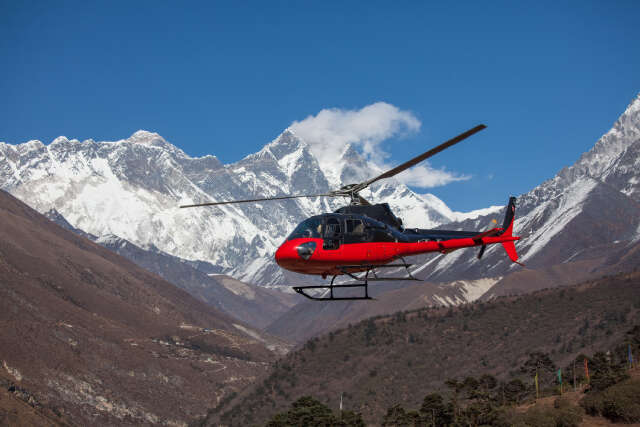
Day 2: Lukla to Phakding. In peak season most flights leave from Ramechhap (Manthali), a 4.5-hour drive from Kathmandu, so the transfer starts in the early hours. The mountain flight to Lukla (about 2,800 m) is short, and the first walk of 3 to 4 hours follows the Dudh Kosi to Phakding at 2,652 m.
Day 3: Phakding to Namche Bazaar. The trail crosses several suspension bridges, enters Sagarmatha National Park near Monjo, and finishes with the climb over the high Hillary suspension bridge to Namche at 3,440 m. This is a long climb of 5 to 6 hours, so take it slowly.
Day 4: Namche rest day. Rest, drink water and, if you feel well, walk up to the Everest View Point for a first look at Everest, Lhotse and Ama Dablam, then return to sleep at the same altitude.
Day 5: Namche to the Debuche area. The path contours through rhododendron and juniper forest with views of Ama Dablam, descends to the river and climbs again, about 6 hours to roughly 3,700 m.
Day 6: To Dingboche. The route passes Pangboche, whose monastery is often described as one of the oldest in the region, then climbs into the open Imja valley to Dingboche at 4,400 m, about 6 hours.
Day 7: Dingboche rest day. A second acclimatisation day, with an optional hill walk above the village before returning to sleep at 4,400 m.
Day 8: Dingboche to Lobuche. You climb to the memorial stupas near Dughla and continue beside the Khumbu Glacier to Lobuche at about 4,900 m, 6 to 7 hours. The air is noticeably thin and nights are cold.
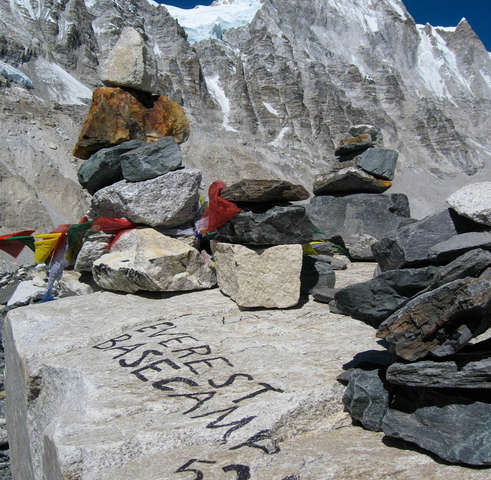
Day 9: Lobuche to Gorak Shep and Base Camp. A walk of a few hours along the moraine brings you to Gorak Shep at 5,180 m. After a rest and lunch you walk on to Everest Base Camp at 5,364 m, which stands on the glacier among climbers’ tents in spring, then return to Gorak Shep. Everest itself is hidden behind Nuptse from Base Camp, which is why the Kala Patthar dawn climb matters.
Day 10: Kala Patthar and Pheriche. Start before dawn for the steady climb to Kala Patthar (5,545 m), whose name means “black rock”. It offers the best close view of Everest, Nuptse and the Khumbu Glacier. After breakfast you descend to Pheriche at 4,320 m.
Days 11 and 12: Return to Lukla. A long descent of 7 to 8 hours takes you back to Namche on Day 11, and 6 to 7 hours on Day 12 brings you to Lukla, where the group usually shares a farewell evening.
Days 13 and 14: Kathmandu. The flight returns to Ramechhap or Kathmandu, with a farewell dinner. Day 14 is a spare day for flight delays, shopping or transfer to the airport.
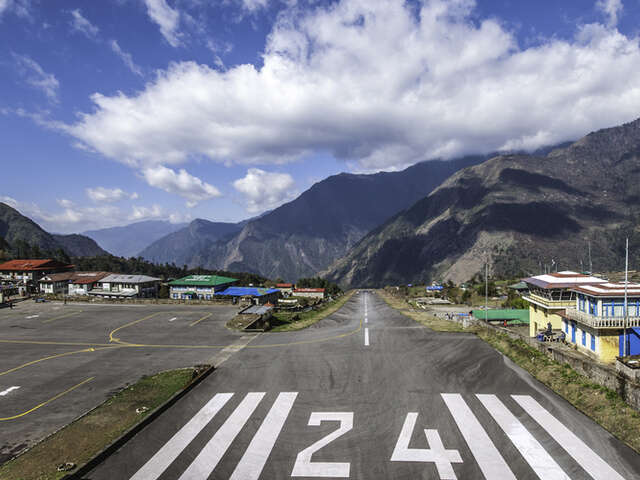
Lukla airport, the gateway to the Khumbu
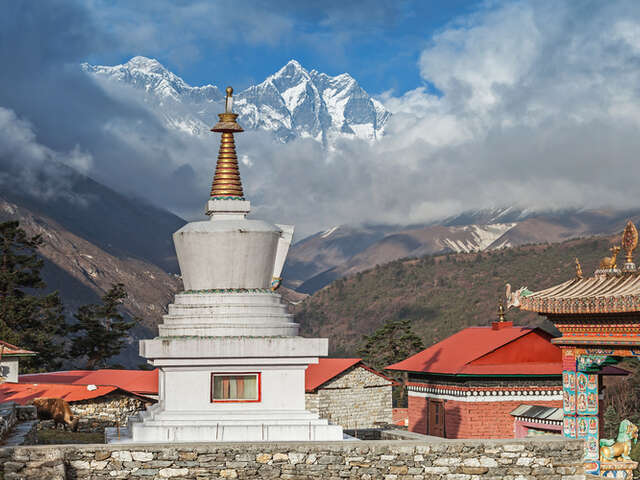
Trekking around Namche Bazaar
5. How Much Does the Everest Base Camp Trek Cost?
Our package prices, listed in Indian rupees as of 14 October 2026, are all-inclusive. Please confirm the 2027 price when you book.
| Package | Days | All-in price |
|---|---|---|
| Everest Base Camp Trek | 14 | Rs. 85,000 |
| Everest Base Camp Luxury Trek | 14 | Rs. 250,000 |
| Gokyo and Renjo La Pass Trek | 14 | Rs. 90,000 |
| Everest Base Camp and Gokyo Lakes | 17 | Rs. 105,000 |
| Three Passes and Everest Base Camp | 20 | Rs. 120,000 |
| Everest Base Camp Trek from Jiri | 22 | Rs. 120,000 |
What the standard 14-day package includes: two nights in Kathmandu with breakfast, return flights between Ramechhap or Kathmandu and Lukla, teahouse accommodation, three meals a day on 11 days, airport transfers, trekking permits, a licensed English-speaking guide, porter service, taxes and a farewell dinner.
What it does not include: your Nepal visa, travel insurance (mandatory), sleeping bag or down jacket rental, hot showers, Wi-Fi, device charging, snacks and drinks, tips (commonly about 10% of the trek cost, shared between guide and porter), extra hotel nights and any extra cost from flight delays or helicopter rescue. We suggest keeping about INR 20,000 to 25,000 in reserve for personal expenses.
6. Best Time to Visit Everest Base Camp
Typical temperatures at Everest Base Camp (5,364 m): day high to night low
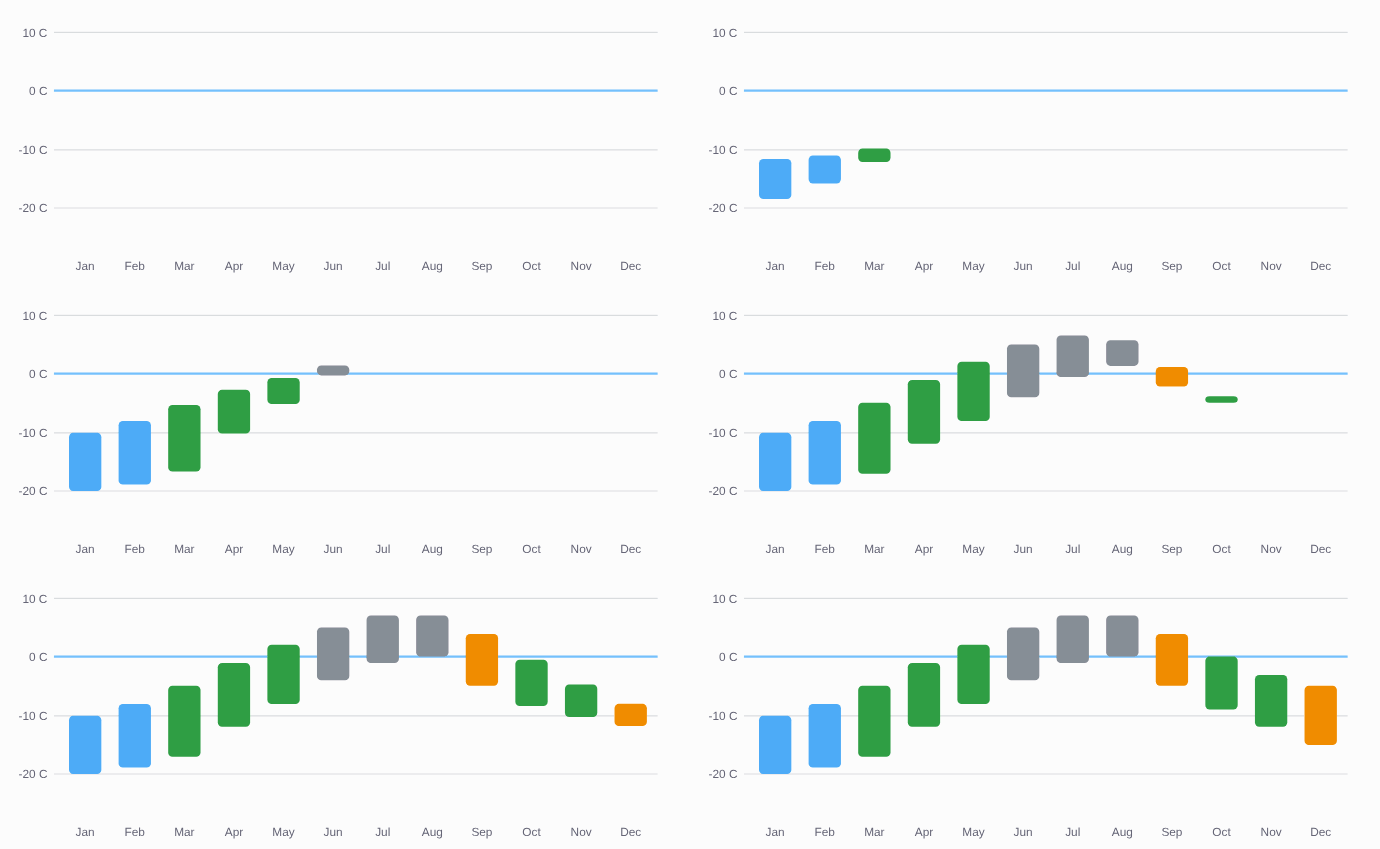
Modelled 30-year averages for Base Camp (Meteoblue data, as reported by Kandoo Adventures). Villages lower on the trail are warmer, and real conditions vary day to day. Bar colours match the month chart above.
- October and November. Clear skies and stable weather. October is the busiest month, so book early. November is quieter and colder.
- March to May. Warmer, with more afternoon cloud. Spring is the climbing season, so Base Camp is active.
- December to February. Cold nights, very clear days and few trekkers. Winter equipment is essential, and some lodges close at higher altitude.
- June to August. Not recommended, because of monsoon rain and cloud.
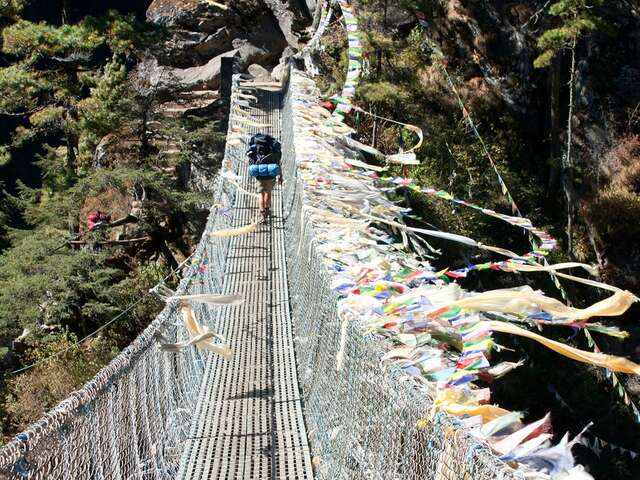
A suspension bridge on the trail
7. Difficulty Level and Altitude Acclimatization
The trek is graded strenuous. The trail is non-technical, but long days, cold and thin air make it demanding, and altitude is the main risk. The two acclimatisation days at Namche and Dingboche are essential and should not be skipped.
Climb high, sleep low: how the itinerary protects you
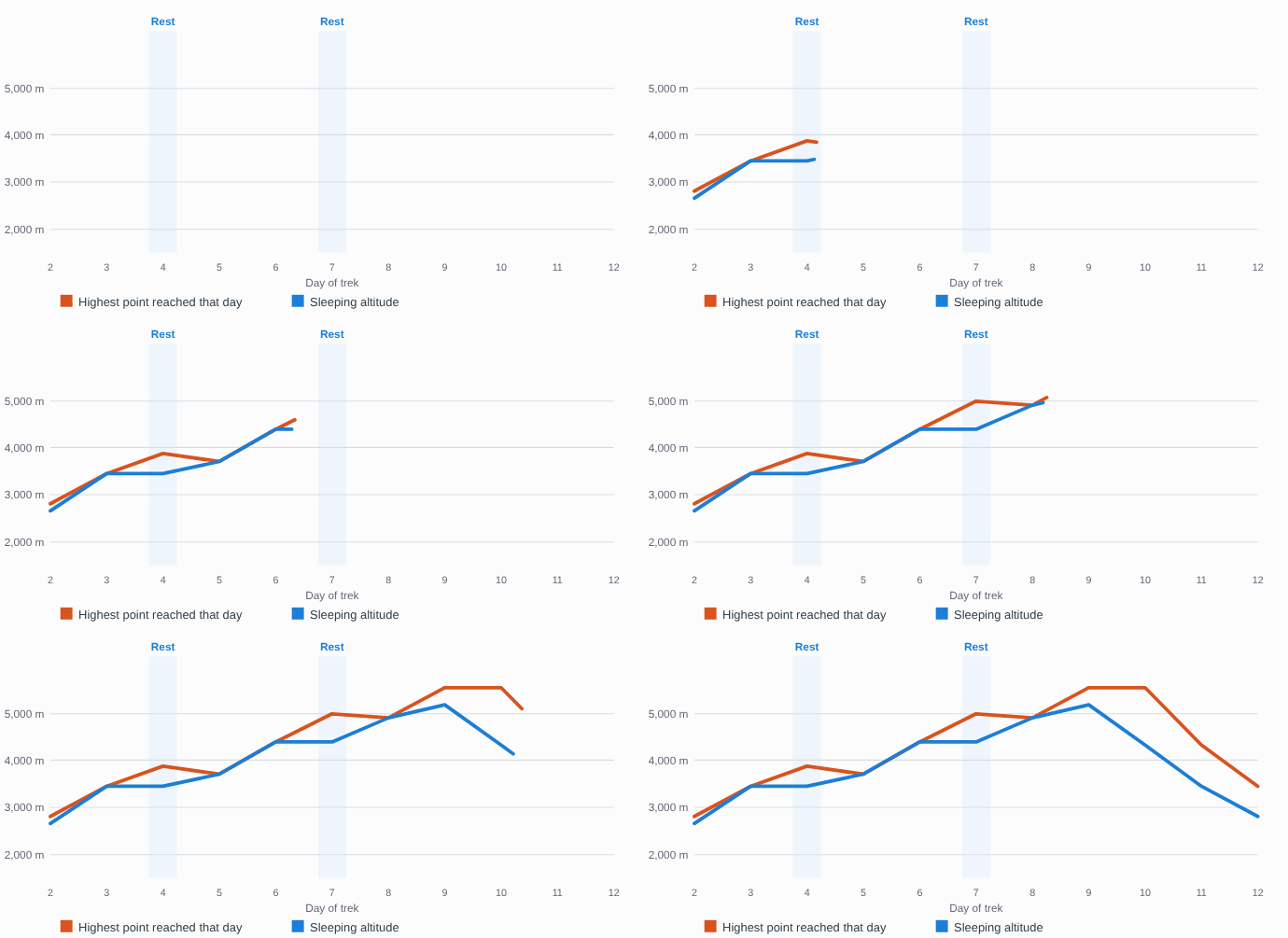
Day-hike highs are approximate (Everest View Point about 3,880 m; optional Dingboche hike about 5,000 m). The gap between the lines is the climb-high, sleep-low effect.
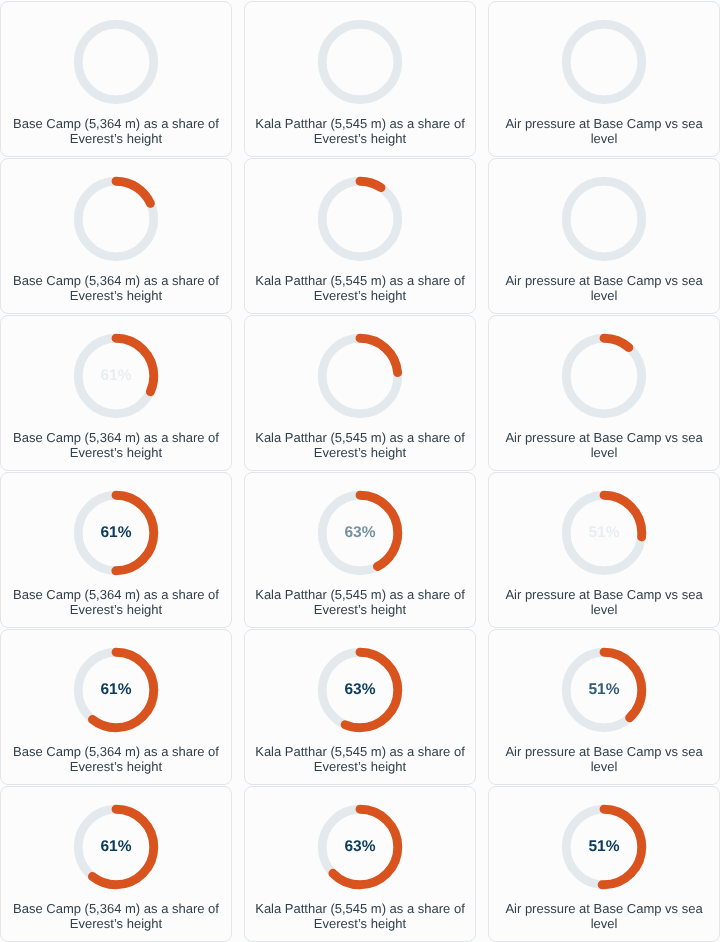
How much air is there? Share of sea-level pressure
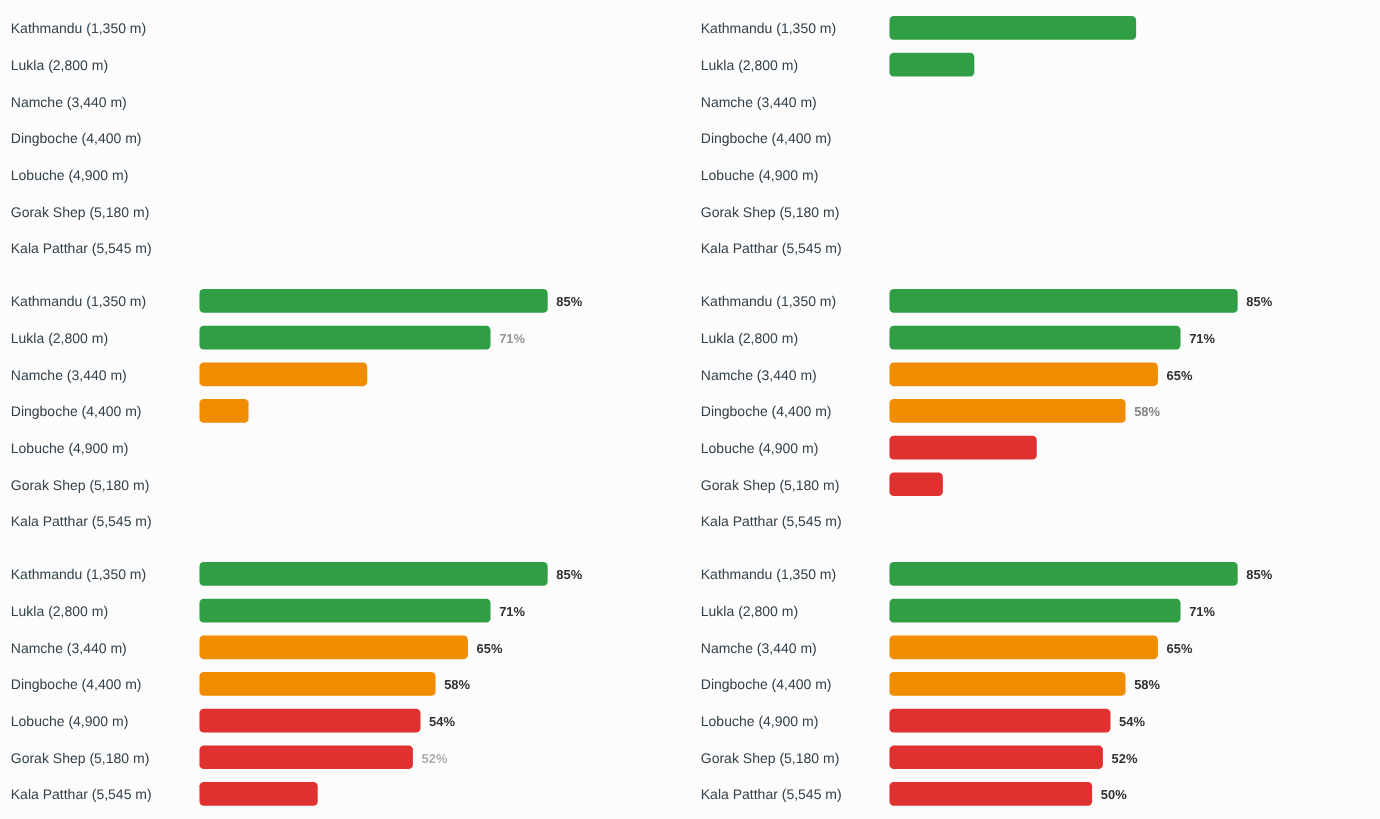
Standard-atmosphere estimate. Each breath carries roughly this share of the oxygen it would at sea level, so slow ascent and rest days matter. Real pressure varies with weather.
Recognising altitude sickness
| Level | Typical signs | What to do |
|---|---|---|
| Mild | Headache, nausea, dizziness, poor sleep, tiredness | Rest, drink water, tell your guide and do not go higher until symptoms clear |
| Moderate | Worsening headache, vomiting, breathlessness on mild effort | Stop ascending and descend if there is no improvement |
| Severe | Confusion, loss of balance, breathlessness at rest, wet cough, chest tightness | Descend immediately and arrange evacuation; this is an emergency |
Never climb with worsening symptoms, never leave a sick trekker alone and never rely on a pulse oximeter reading alone. Ask your doctor whether altitude medication is suitable for you before you travel.
A 12-week training plan
| Weeks | Focus | Suggested weekly routine |
|---|---|---|
| 1 to 4 | Build a base | 3 cardio sessions of 45 to 60 minutes and one 2 to 3 hour hill walk |
| 5 to 8 | Add load and hills | One 3 to 5 hour hike with a 6 to 8 kg pack, stair or step sessions and strength work for legs and core |
| 9 to 11 | Peak endurance | Back-to-back long hikes of 5 to 6 hours on consecutive days with your trek boots and pack |
| 12 | Taper | Easy walks and rest; check gear, boots and documents |
- Training. 8 to 12 weeks of hill walking with a loaded daypack, plus stair and cardio work.
- Pace. Walk slowly, drink water often, and above 3,000 m increase your sleeping altitude by no more than about 500 m a night.
- Warning signs. Report headache, nausea, poor sleep or breathlessness to your guide immediately. Descent is the primary treatment.
- Medical advice. Consult your doctor before the trek, particularly about altitude medication.
- Insurance. Choose a policy that covers trekking to 5,500 m and helicopter evacuation.
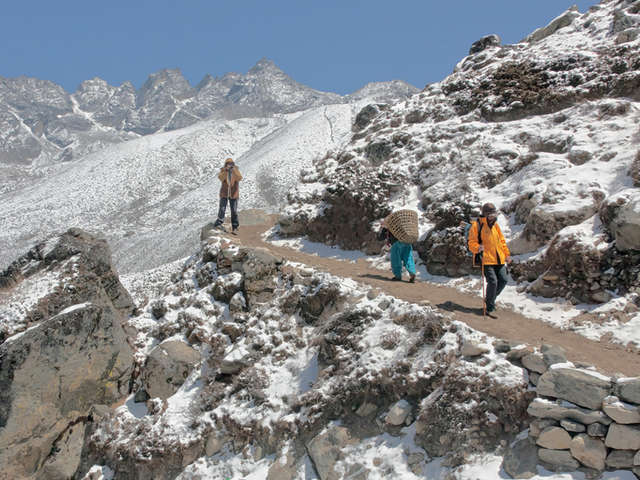
Climbing towards Lobuche
8. Permits, Accommodation, and Meals
Permits. The route needs no restricted-area permit. The permits reported for 2026 are the Sagarmatha National Park permit (NPR 3,000 for foreign nationals, NPR 1,500 for SAARC nationals, including Indian citizens) and the Khumbu Pasang Lhamu Rural Municipality permit (reported at NPR 3,000). Reports say the TIMS card is no longer used on this route, although our package lists it as included, so we confirm the current rule when we arrange your permits. Fees may change for 2027.
Accommodation. Teahouses provide simple rooms, usually with two beds, and a shared dining room. Higher up, rooms are unheated and nights are cold, so a warm sleeping bag matters. Hot showers, charging and Wi-Fi are paid extras and become more expensive with altitude.
Meals. Menus are similar in every lodge: dal bhat, noodles, soups, eggs, pasta, porridge and tea. Dal bhat is a good daily choice because it is filling and usually offers refills. Carry purification tablets or a filter for drinking water.
Teahouse life
Days start around 6 am with breakfast, walking begins by 7 or 8, a lunch stop falls around midday and you usually arrive by mid-afternoon. The dining room is the only warm place, often heated by a stove burning yak dung or wood, and everyone gathers there in the evening. Order dinner early, because kitchens cook for many guests, and expect lights out by about 8 pm. Bedrooms are unheated, so keep warm layers and a good sleeping bag within reach. Toilets are basic at altitude, so carry tissue and hand sanitiser.
Food and drinking water
Dal bhat, the Nepali meal of rice, lentils and vegetables, is a good daily staple because it is filling and usually offers refills. Noodle soup, eggs, pasta, porridge, momos and tea are on every menu. Many guides advise choosing vegetarian dishes in the higher villages, because food is carried in over several days. Aim to drink about 3 to 4 litres of fluid a day, using purification tablets, a filter or boiled water from the lodge instead of buying plastic bottles.
Money, connectivity and health
Carry enough Nepali rupees in cash for the whole trek, because ATMs in the higher villages are unreliable. Wi-Fi, device charging and hot showers cost extra and become more expensive with altitude, and mobile coverage is patchy, so tell family to expect gaps. Carry a basic first-aid kit, blister care, and your personal medication, and wash your hands before eating to avoid stomach problems.
9. Essential Packing List
- Base layers, fleece, down jacket and windproof, waterproof shell
- Broken-in waterproof trekking boots, warm socks and microspikes for icy sections
- Sleeping bag rated to -15 °C (rentals are available in Kathmandu)
- Warm hat, sun hat, gloves, sunglasses and sunscreen
- Water bottles, purification tablets, headlamp and trekking poles
- Nepali rupees in cash, because ATMs above Namche are unreliable
- A basic first-aid kit and your personal medication
For equipment shopping, see our guide to buying cheap trekking gear in Kathmandu.
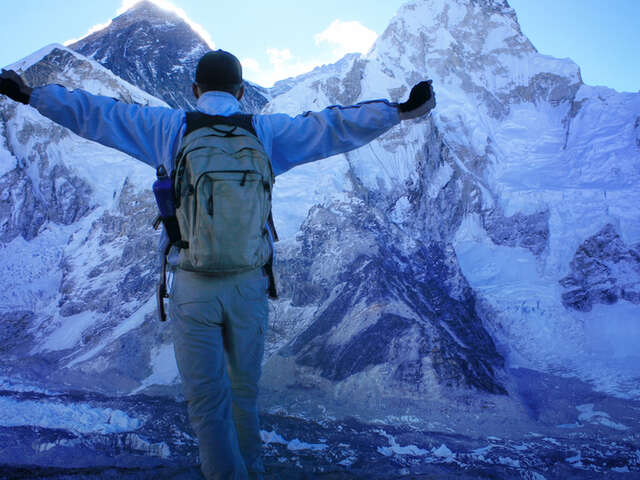
Everest and Nuptse at sunrise from Kala Patthar
10. Why Choose a Local Nepal Trekking Company?
- Logistics handled for you. Permits, Lukla flights, Ramechhap transfers and lodges are arranged by one team.
- Licensed guides and porters. Local staff know the trail, the weather and the safe response to altitude problems.
- Flexible plans. We build in acclimatisation days and flight buffers, and we can arrange helicopter backup.
- Clear pricing. The inclusions and exclusions are listed above, so you can compare quotes like for like.
- Support for Indian and international travellers. We advise on permit rates, documents and payment.
Responsible trekking in the Khumbu
- Waste. Carry out non-biodegradable rubbish and avoid single-use plastic bottles; local rules restrict them in parts of the Khumbu.
- Porters. Choose operators that provide proper clothing, insurance and fair loads for porters, and tip fairly.
- Trails and wildlife. Stay on marked paths, use lodge toilets and keep your distance from animals.
- Local economy. Buy from village shops and eat at the lodge you sleep in, which is how most families earn their income.
Our Everest region packages
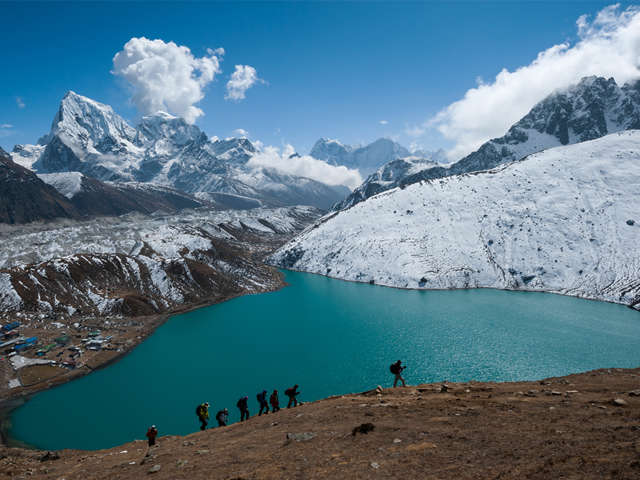
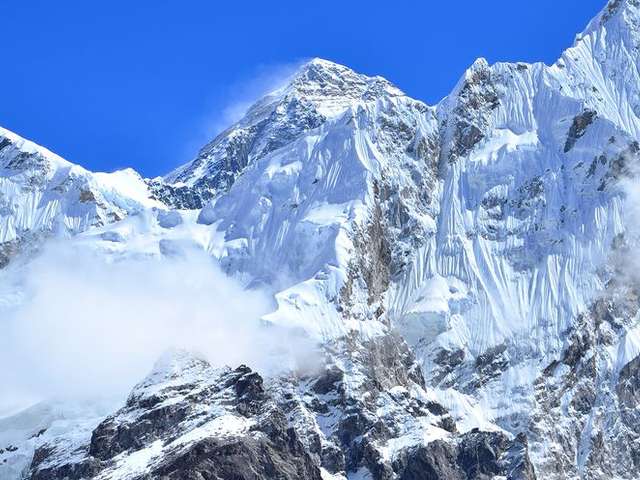
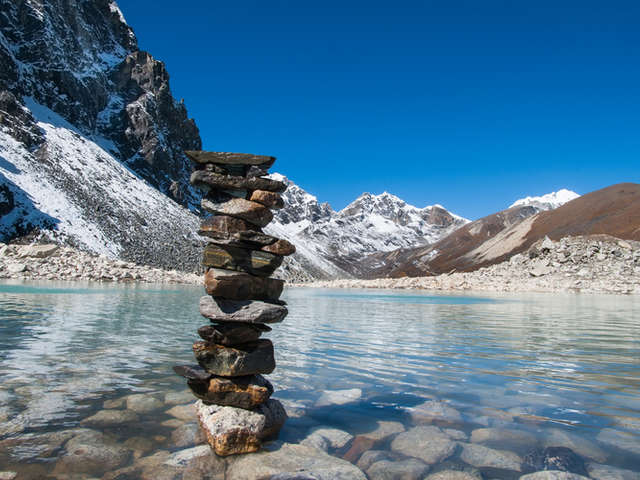
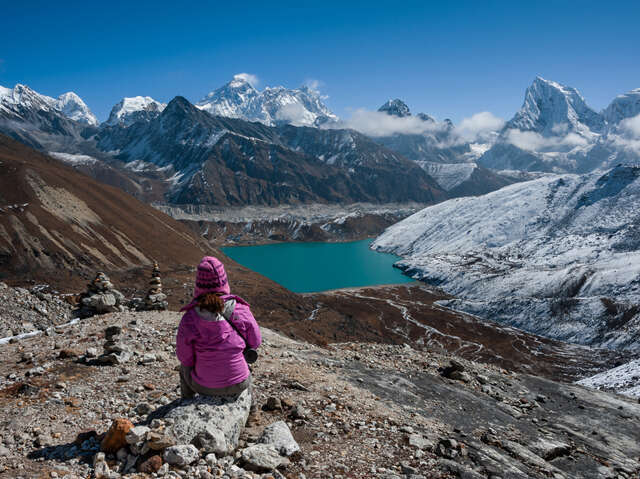
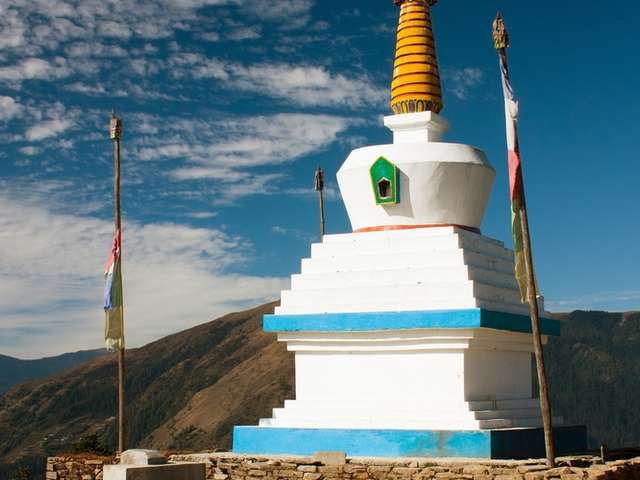
Other classic Nepal treks
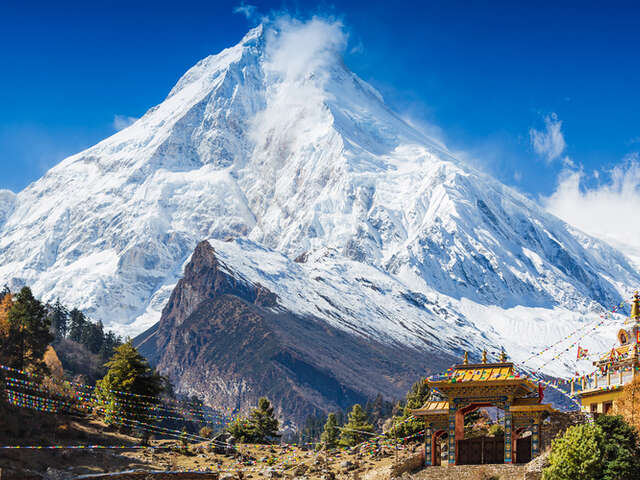
If you want to compare Everest with Nepal’s other great circuits, see our Manaslu Circuit vs Annapurna Circuit guide.
11. Frequently Asked Questions
How difficult is the Everest Base Camp trek? It is graded strenuous. The trail is non-technical, but you walk 5 to 8 hours a day and sleep above 5,000 m, so training and acclimatisation matter more than climbing skill.
Do I need a guide? The route is an open area, so a guide is not legally required, but we recommend one for acclimatisation decisions, emergencies and flight disruptions. Rules can change, so please check with us before you travel.
What is the best month for the trek? October and November offer the most stable weather. March to May is the main alternative.
Can beginners do the trek? Yes, if they are fit and prepare for 8 to 12 weeks. No technical experience is required, but previous multi-day walking helps.
Is the trek safe? It is a well-established route with local guides and regular lodges. The main risks are altitude sickness and flight delays, which careful pacing and spare days reduce.
Can Indian citizens do this trek? Yes. Indian citizens pay the SAARC rate for the national park permit. Contact us for the documents and fees that apply.
Can I trek to Everest Base Camp without previous experience? Yes, if you are fit and train for 8 to 12 weeks. The trail is non-technical, but you walk 5 to 8 hours a day at altitude.
Can I see Everest from Base Camp? Not the summit. Nuptse hides it, so trekkers climb Kala Patthar (5,545 m) for the classic view.
How cold does it get? At Base Camp, modelled averages run from about 7 °C by day in summer to about -20 °C at night in January, with October nights around -9 °C.
Will I have a phone signal or Wi-Fi? Coverage is patchy and Wi-Fi is a paid extra. Plan for gaps in contact.
What happens if my Lukla flight is cancelled? Weather delays of a day or more are common. We rebook the flight, and a shared or private helicopter can be arranged at extra cost.
12. Book Your Everest Base Camp Adventure
Base Camp Hikes arranges permits, licensed guides, porters, teahouse accommodation, Lukla flights and helicopter backup for Everest Base Camp, Gokyo and Three Passes treks, in small groups with spare days for weather. See the 14-day Everest Base Camp trek for departure dates, or contact our team for a tailored quote for 2027.