
Everest Base Camp Trek: The Complete Guide for 2027
Plan your Everest Base Camp Trek in 2027 with our guide to itinerary, cost, difficulty, best time to visit, permits, packing, and expert trekking tips.
Small deposit in India. Balance in Nepal.
The best time to trek in Nepal: seasons, weather and crowd levels by region. Browse every Base Camp Hikes article tagged Best Time to Trek.
Plan your Everest Base Camp Trek in 2027 with our guide to itinerary, cost, difficulty, best time to visit, permits, packing, and expert trekking tips.
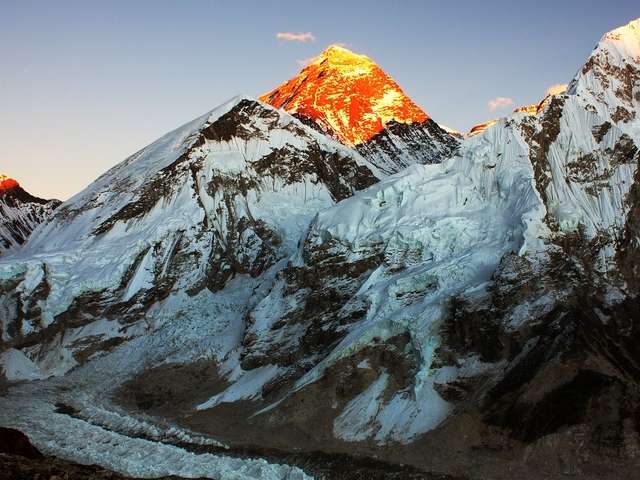
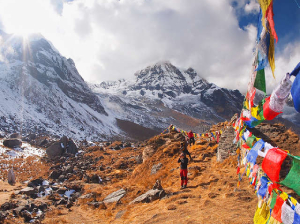
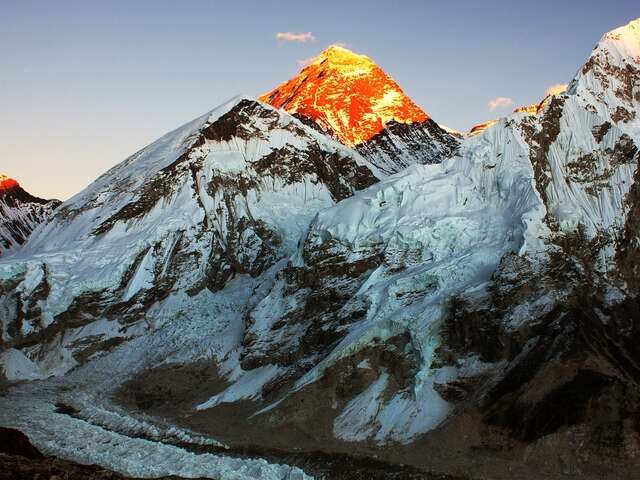
The Everest Base Camp trek is a mecca for adventurous, nature loving souls and hard core granolas alike. It offers pristine vistas for aspiring landscape photographers to capture and is a formidable challenge beckoning to trekkers the world over. If you’re reading this, you’re likely already caught in the allure of Nepal’s most impressive trekking region and are ready to have the question of “When’s the best time to go?” answered. The short answer: The most popular months to go are April, May and October. February, March, November and December are also great months to trek Everest Base Camp. However, the complete answer is more nuanced. Would you like to go with cooler weather and less crowds? Or warmer weather and see the tent city of Everest Base Camp in full swing? Read our comprehensive guide to decide which month is best for you! Please don’t hesitate to reach out if you’d prefer an adventure consultant to help you plan a trek curated especially for your schedule.
If you have not been to the Himalayas before you might make the mistake of thinking the climate is fairly uniform across the entire mountain range but nothing could be further from the truth. If you’re planning a trip its key to understand how the weather changes throughout the year in each part of the Himalayas. The Indian monsoon is the main driver of climate and the impact of the monsoon or lack of it is of key importance for predicting the weather. A monsoon is best described as a seasonally reversing wind system. It works because during the hot part of the year the sun warms up the earth’s surface causing the atmosphere to rise and as it does it pulls in moist air from the ocean. When the sun is no longer heating the surface during the winter this mechanism reverses and a generally dry subsiding air mass dominates. The monsoon first reaches the Himalayas in far eastern India, Bhutan and Nepal in early June and remains over these regions for the longest time. For this reason, the western Himalayas in contrast to the eastern Himalayas are much drier and the monsoon starts later in the year. When […]
Nishes or Anand will reply within 24 hours.
Plan my trip Call +91 932 595 1234 9am to 7pm IST Nishes
 Anand

Himalayan treks and climbs, booked through Basecamphikes and led by local experts in Nepal.