Day 1 - Kathmandu: Arrival Day
Welcome to Nepal! A representative will be waiting to welcome you to Tribhuvan International Airport and bring you to your hotel in Kathmandu. It's been a long flight, so enjoy the chance to rest! This evening, we'll hold a briefing on your adventure and what to expect regarding the trek.
Day 2 - Kathmandu to Biratnagar, Biratnagar to Basantpur
We start the day with a quick (~50 minute) flight from Kathmandu to Biratnagar, and then drive to Basantpur, where our trek officially begins. Both legs of travel are spectacularly scenic: the flight offers views of our entire trekking route, while the road travel takes us over a thrilling, precarious mountain road with over 100 hairpin turns. We'll trace the formidable Arun River and pass through the town of Hille. Biratnagar is located at the road's end, on the ridge over Tanmaya Khola. Here we'll make camp for the night in preparation to start trekking bright and early tomorrow!
Day 3 - Basantpur to Chauki
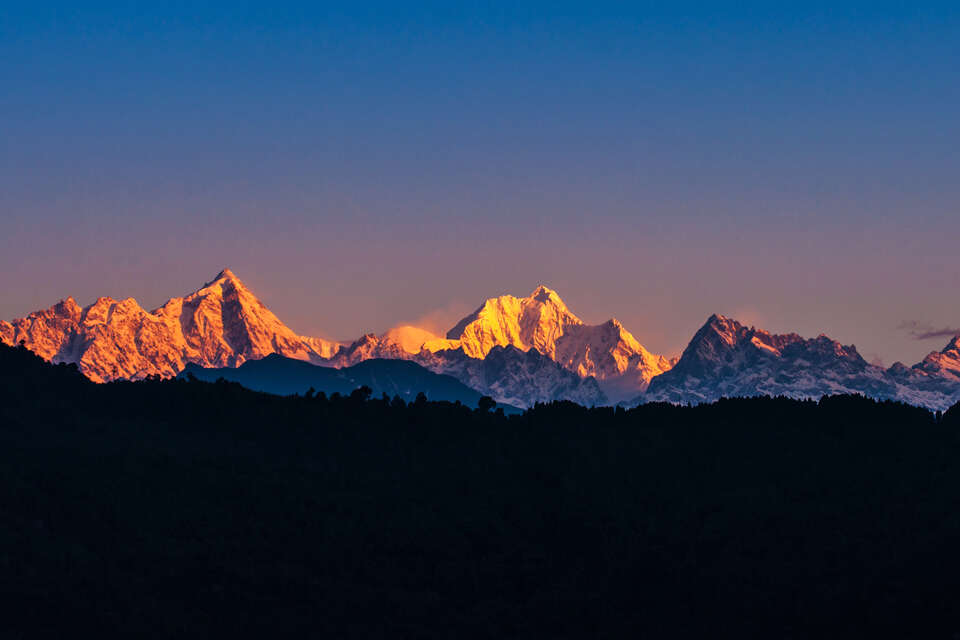
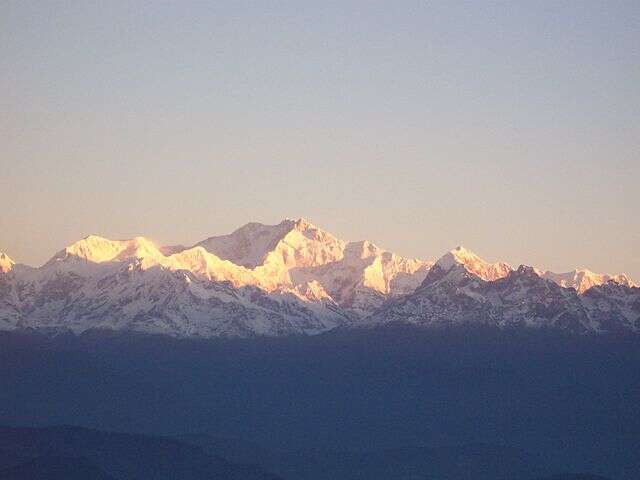
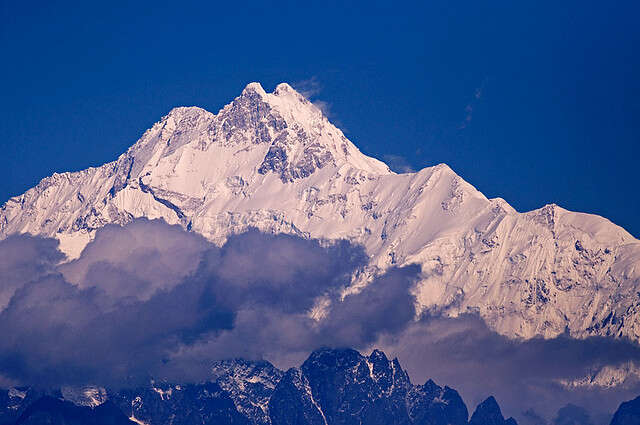
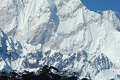
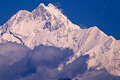
We’ll accomplish about seven hours of hiking today on this, our first trekking day. The first three kilometers of the path are shared with major trekking routes servicing the very popular Arun and Tamur valleys, so expect to see lots of other trekkers coming and going. The crowds thin once we pass Tunde, and then we'll continue on the the significant trading post of Chainpur. We'll walk through stunning rhododendron forest and small villages with great views of Makalu and Kanchenjunga on our way to Chauki.
Day 4 - Chauki to Gupha Pokhari
Our trail winds itself sinuously through the Milke Danda Range, affording us lovely views: forests of brightly-blooming rhododendron flowers (in springtime) and panoramas of Chamlang, Mera, Makalu, and Kanchenjunga as seen from high points on the trail. We eventually will make our way to the stunning village of Gupha Pokhari, and camp alongside a natural pond. With only four hours of walking today, we'll have ample time to appreciate our surroundings and explore the village.
Day 5 - Gupha Pokhari to Dobhan
Our day is a long one today, but luckily the road runs all downhill. We'll break at the Gurja Sherpa village for lunch, and then follow the Maihwa Khola and Tamur Koshi rivers to their confluence, where we'll find out overnight camping spot of Dobhan.
Day 6 - Dobhan to Mitlyng
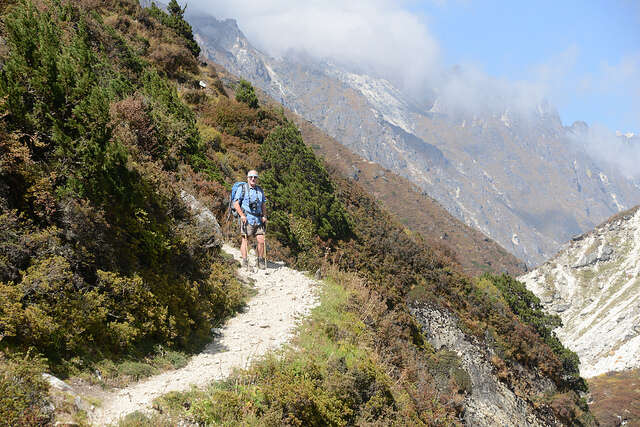
Today marks the first of three days trekking the Tamor Nadi river valley, at the end of which we will have reached Sekathum and climbed almost 1,000m. The trail is wet and muddy as we trek the deep valley, courtesy of the monsoon rains. We'll follow the river as it snakes through the rainforest, which is alive with birdsong! By the time we reach Mitlyng, we will have climbed high enough that the path gets a bit drier!
Day 7 - Mitlyng to Chirwa
Our valley trek stretches into day two as this deep Himalayan river gorge surrounds us with breathtaking cliffs that amplify the thundering torrent of rushing water. We will cross sections of dense subtropical forest as we move along the narrow valley, and see local villages overhead. The valley finally opens around the time we attain Chirwa, which is part of network of Limbu villages occupied by farmers who have worked the land to grow miscellaneous grains for thousands of years.
Day 8 - Chirwa to Sekathum
Five hours of trekking today finally brings us completely through the Tamor Nadi valley. The valley gives way to Ghunsa River just past Simbuwa Khola, and we will soon arrive at Sekathum. Our destination is marked by a tributary that originates at the Yalung glacier, as well as gradually-shifting scenery as the valley continues to open before us.
Day 9 - Sekathum to Amjilassa
We’ve a steep, albeit short walk today before we make camp. It'll take us five hours, but we will have gained almost 900m of elevation! The trail narrows noticeably as we follow the Ghunsa, only beginning to wide again just as we're arriving at Amjilassa. We've arrived in the region of Sherpa and Tibetan people, as we'll notice in the homes, clothing, and lifestyle of the locals.
Day 10 - Amjilassa to Gyabla
Today is an easy, if somewhat isolated trekking day. We'll walk four hours through dense forests, with no villages to be seen anyway. We'll make camp in Gyabla, which is the first settlement we'll encounter all day.
Day 11 - Gyabla to Ghunsa
We’ll take our walking more slowly as we cross the 3,000m elevation threshold, to stave off the risk of altitude sickness. Five hours of walking will ultimately bring us to Ghunsa, but we'll stop for lunch in the Tibetan village of Phole. The Buddhist culture thrives here, and a local monastery welcomes us to briefly rest and relax.
Day 12 - Ghunsa: Rest day
Today is a day to rest and relax as we acclimatize to the high elevation we've attained. The Sherpa village of Ghunsa makes an ideal spot for a day of exploration and idyll, with plenty of opportunities for long, scenic walks and soaks in the hot springs. Ghunsa is also notable for being the last permanent settlement before we reach the north base camp.
Day 13 - Ghunsa to Kambach
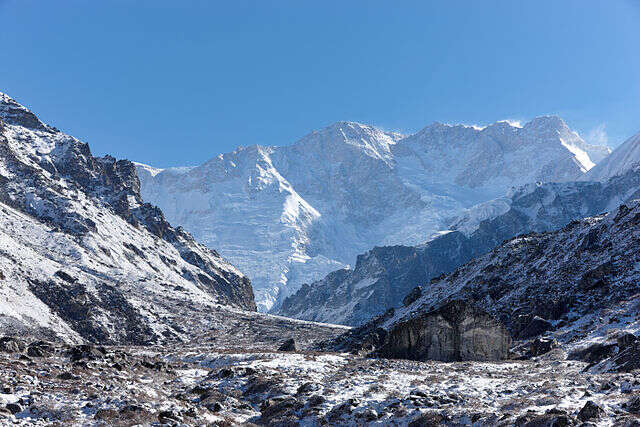
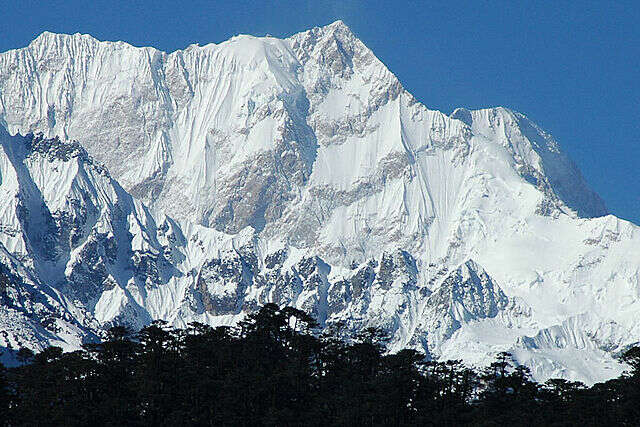
Our next three trekking days will find us trekking one of the most splendid glacial valleys in Nepal, if not the entire Himalayas. We start the day on the moraine from Lhonak, and end at the base of Jannu Glacier. From here, we'll enjoy a direct view of the Kanchenjunga massif as well as the whole of Jannu. This is off the beaten path as far as trekking routes go, and the remoteness means we'll have a good shot of seeing all manner of wildlife: blue sheep, ibex, and mountain goats, smaller animals like hyrax and marmots, as well as birds of prey like eagles, kites, and falcons.
Day 14 - Kambach to Lhonak
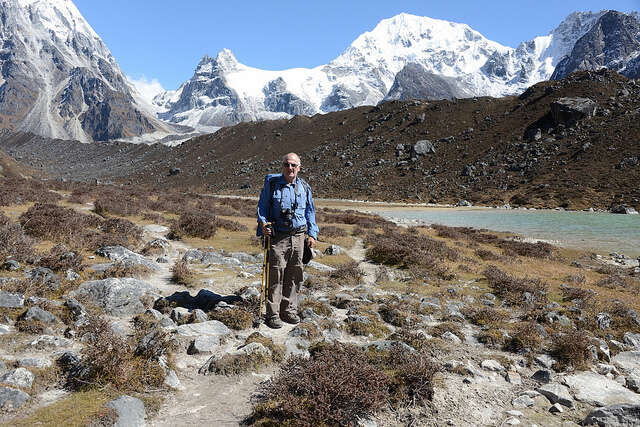
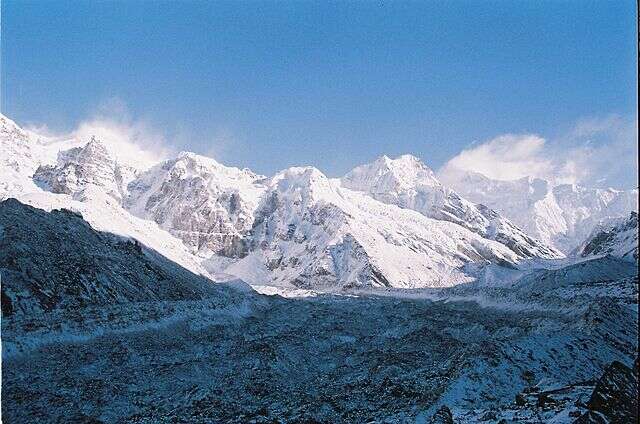
The terrain looks bare and desolate at this high altitude with the glacial landscape and no villages or houses surrounding us. The trail climbs gradually, but steadily - the presence of both moraine debris and the high elevation slow us down a fair amount. The glacier begins around Ramtangat and the trail wraps around its north side. We'll camp at Lhonak, at the junction of the Lhonak and Kanchenjunga glaciers, savoring the awesome mountain views all around.
Day 15 - Pang Pema BC: Exploration Day
Today we set off to explore the north base camp of Kanchenjunga, an area called Pang Pema that gets precious few trekkers. Consequently, there is no established path and the going is tricky! We'll explore the glacial area as much as possible, ultimately making camp to rest and stay warm.
Day 16 - Pang Pema BC to Ghunsa
Heading downhill from Pang Pema allows us to, in 7 hours, cover the same terrain it took us two days to ascend! We'll retrace the path to Ghunsa, which gives us a fresh perspective on the things we saw going in the opposite direction.
Day 17 - Ghunsa to Sele La Pass
Thick forests of birch, pine, and rhododendron - possibly blanketed in snow! - line our uphill path today as we head away from Ghunsa. We'll trek six hours along the routes used by locals for supplies and transportation.
Day 18 - Sele Lapass to Tseram
Today's a challenging leg of our journey! We'll climb a steep 800m to Mirgin La Pass, which rewards our tenacity with sweeping views of Jannu Himal, Makalu, Baruntse, Chamlang, Kabru, and Kanchenjunga. We'll skirt high ridges and then finally descend to Tseram. All told, we'll walk eight hours.
Day 19 - Tseram to Ramche, Side Trip to Octangand Yalung Glacier
We kick things off early today to reach Ramche and establish camp. After lunch, we'll make the round-trip to Yalung Glacier. Just 7km away with an elevation gain of 300m, this is a hearty hike, but very doable. At the glacier, we'll marvel at the gorgeous natural amphitheatre made by the peaks of Rohtang and Kabru on the Nepal/Sikkim border.
Day 20 - Ramche to Tortong
Seven hours of easy walking await us today as we descend through the Simbua Khola, crossing forests of pine and rhododendron, to reach Tortong.
Day 21 - Tortang to Yamphudim
The seven hours we trek today are risky and difficult, as this particular part of the path is prone to landslides. We also have to contend with the 600m climb to the Lamite pass at 3,500m, meaning that we'll be relieved indeed to camp at Yamphudim tonight.
Day 22 - Yamphudim to Khebang
Our walk today is an eventful one, bringing us over two passes and through the scenic villages of Chhetri and Brahmins. We'll walk approximately seven hours.
Day 23 - Khebang to Phakholing
Our penultimate trekking day is a long one, with a steep 1,000m descent stretched over just 6km. We'll have lunch in Dobhan and then hike another 8m along an undulating (but, thankfully, straightforward) path to the village. With seven hours of walking, this is our last "long" day of the journey!
Day 24 - Phakholing to Tharpu
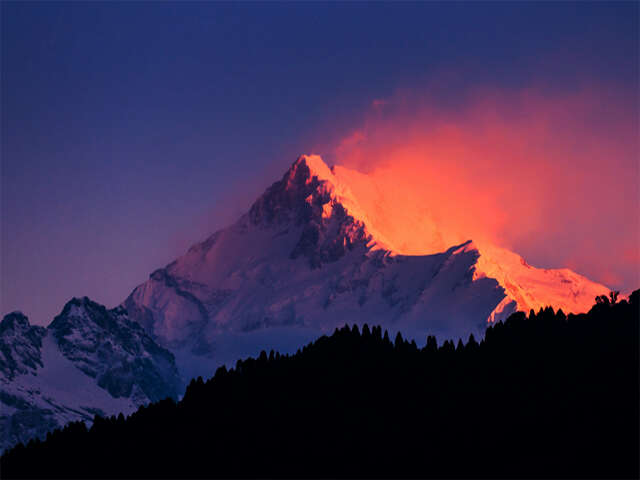
We finish our trek off with a four hour, 1,200m climb to Tharpu. This is the time to enjoy your final glimpses of the Kanchenjunga range - having just conquered it! - and to savor your last mountain sunset. It's been an exhilarating, long trek. Now is the time to celebrate with your guides and trekking companions with whom you've spent so much time over the last three weeks.
Day 25 - Tharpu to Bhadrapur/9h
The airport at Bhadrapur is only 190km away from Tharpu, but it will take us nine hours of driving to get there. Why, you ask? Well, the 100 hairpin turns from our original trip make a reappearance, and our road cuts through no less than seven narrow ranges as well. Consequently, the driver averages less than 30kmh! It's a tiring trip, but a rewarding one as you fully appreciate the complexity of the terrain we covered in the last few weeks.
Day 26 - Bhadrapur to Kathmandu
Our quick flight from Bhadrapur back to Kathmandu takes little time, leaving you the rest of the afternoon to rest, relax, or go exploring the city. Shop, dine, or simply lose yourself in the unfamiliar, but welcoming bustle of a city that's among Earth's most unique and historic.
Day 27 - Kathmandu: Sightseeing Day
Kathmandu is one of the world's great historic and spiritual landmarks. It contains more UNESCO World Heritage Sites than any other city in the world, and we'll be visiting some today as part of a whole day of sightseeing. We'll visit Boudhanath, the world's largest Buddhist stupa, as well as the "monkey temple" of Swayambhunath and the sacred Hindu temple of Pashupatinath. We'll also see the historic and famous Durbar Square. In celebration of an amazing trip, you'll be our guests tonight as we host a farewell dinner at an excellent Nepalese restaurant in town.
Day 28 - Kathmandu: Departure Day
We bid you farewell today as our travels together draw to a close. We'll get you to the airport, or simply say goodbye as you move on to your next adventure. Remember to trade email addresses with members of your tour group! We always appreciate our guests' feedback, so don't hesitate to share your thoughts on the trekking experience.
 Most popularEverest Base CampThe classic trek to the foot of Everest

 Not sure which trek suits you?Free, no-obligation advice from Nishes and Anand.+91 932 595 1234 WhatsApp Send an enquiry →
 Most popularIsland PeakA classic first 6,000 m climb
 Short on time?Everest View Heli Trek7 days, trek up and fly back