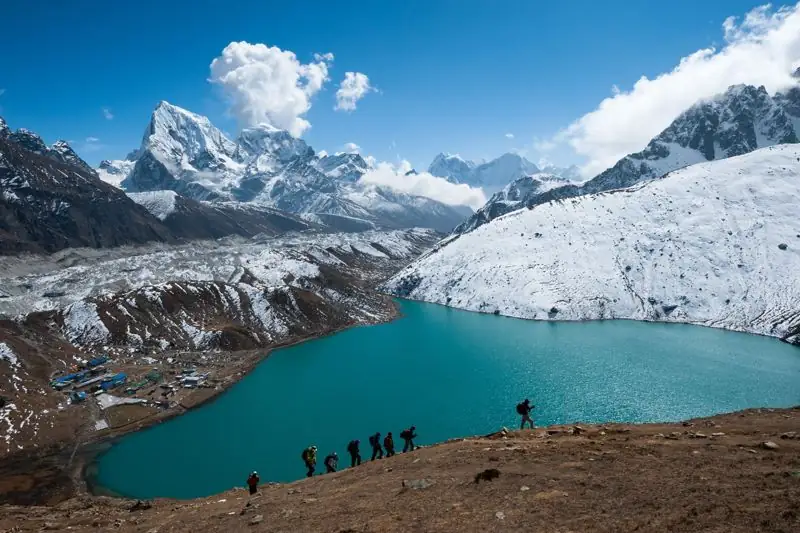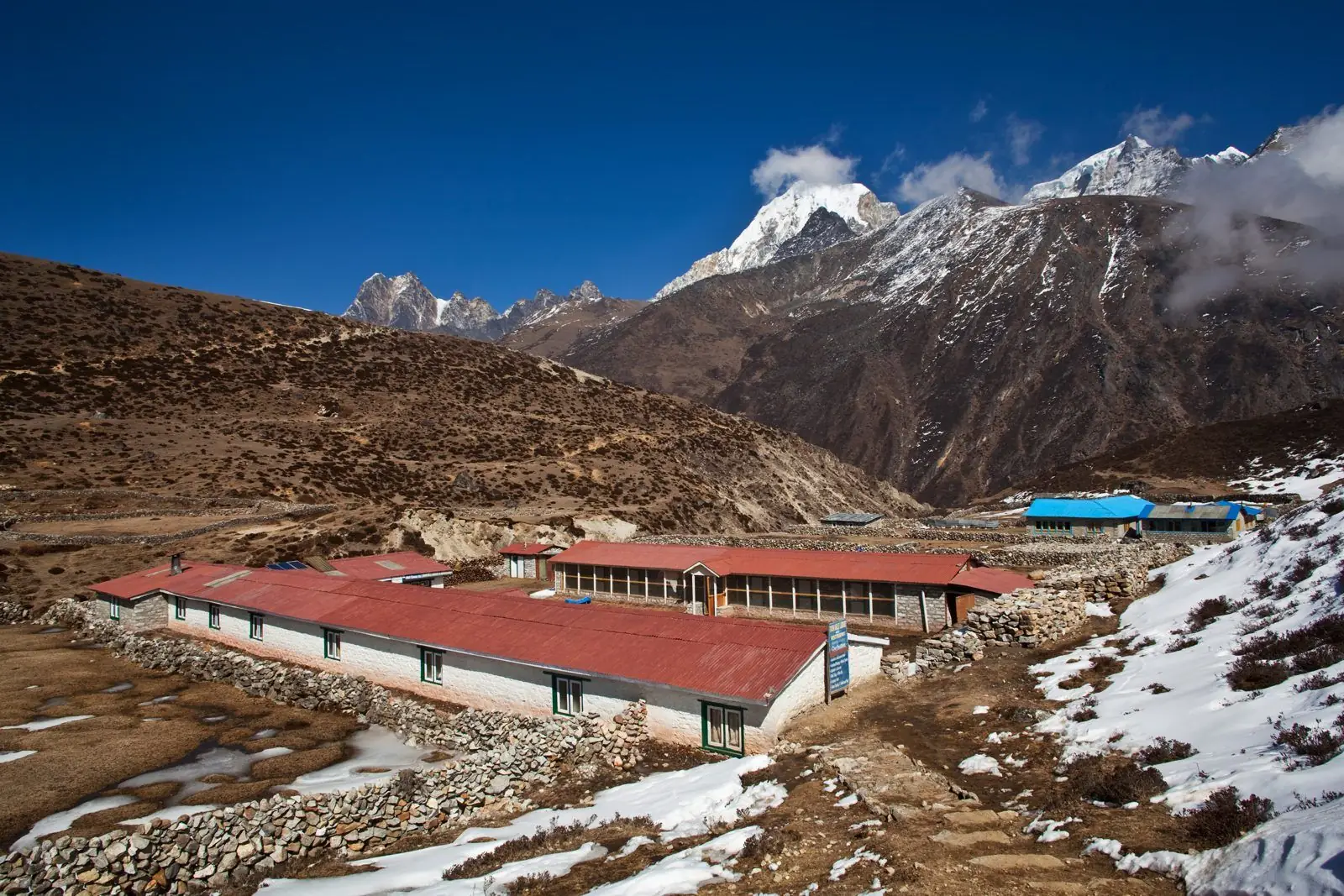
The Everest Base Camp trek is demanding but not technical. There is no rope work or climbing involved. The difficulty comes from the length, the repeated ups and downs, and, above all, the altitude.
What makes it challenging
- Altitude: you spend several nights above 4,000 m, and the air holds far less oxygen than at sea level. This affects sleep, appetite and energy.
- Daily effort: most days are five to seven hours of walking, with a few longer ones, repeated for about two weeks.
- Terrain: uneven stone steps, steep climbs such as the approach to Namche, and long moraine sections higher up.
- Conditions: cold nights, basic lodging and limited washing can wear you down.
What it does not require
You do not need mountaineering skill, crampons or fixed ropes on the standard trek. Many first-time trekkers complete it with a good base of fitness and sensible pacing. Strength matters less than steady stamina.
Fitness that helps
People who regularly do hill walking, hiking with a loaded pack, cycling or running tend to cope best. Fit people can still struggle with the altitude, because altitude tolerance is not strongly linked to fitness, so a slow pace and proper rest days are the main protection.
Who finds it hardest
Those who rush the ascent, start dehydrated, ignore early symptoms, or arrive without having trained are most likely to turn back. Poor sleep on the higher nights is normal, but worsening headache, vomiting or unsteadiness is not.
Making it easier
Train for several weeks beforehand, walk slowly, drink plenty of fluids, eat regularly, and keep a flexible schedule with spare days. Using a porter for your main bag means you carry only a light daypack, which makes a large difference to how you feel on long days.
A realistic day on the trail
Numbers alone do not describe difficulty. On a typical day you walk for five or six hours at a gentle pace, with plenty of stops for photos, tea and rest. The paths are well made, with stone steps, wooden bridges and long traverses, but they rise and fall constantly, so you gain far more height over a day than the map suggests. The effort accumulates over many days, and by the second week your legs may feel heavy even if you are fit.
The part that surprises people
Most trekkers say the hardest part is not any single climb but the sleep, appetite and cold. Many sleep poorly above 4,000 m, lose interest in food and find it hard to stay warm in the evenings. None of that is dangerous in itself, but it is draining. Eating and drinking even when you do not feel like it, and keeping to a slow pace, make an important difference.
The mental side
There are moments of doubt on almost every trek. A long day on the moraine to Gorak Shep, a headache at night or a spell of bad weather can make anyone question whether they should continue. Knowing in advance that these moments are normal helps. Break the trek into short goals, such as the next village or the next tea stop, and tell your guide honestly how you feel so that he or she can adjust.
Is it suitable for you?
- If you can comfortably walk for several hours on consecutive days with a light pack, you have the base you need.
- If you have never walked uphill for long, start training at least two months before and add stairs and hill walks.
- If you have health concerns, speak to a doctor who understands altitude before booking.
What our guests say
Excerpts from guest reviews of Himalayan Wonders, our parent company, on Tripadvisor.
“I had an incredible experience with Himalayan Wonders on my Everest Base Camp trek.”