How common is altitude sickness at Gokyo?
It is common enough to take seriously. Mild symptoms such as headaches and poor sleep affect many trekkers. A slow ascent, rest days and early descent when needed reduce the risk of serious illness.
How cold does it get at night?
In spring and autumn, night temperatures at Gokyo often fall well below freezing, and in winter can drop below minus 15 degrees Celsius. A warm sleeping bag, thermal layers and hot water bottles are essential.
What are the dangers on Renjo La and Cho La?
The main risks are altitude, ice, snow, wind and, on Cho La, glacier crevasses. Cross only in good weather with a guide, wear traction devices if needed and turn back when conditions are poor.
Do I need special insurance?
Yes. Your policy should cover trekking to at least 5,500 metres, medical treatment and helicopter evacuation. Read exclusions carefully and carry the policy number.
Is the water safe to drink?
Only boiled, filtered or treated water. Lodges sell boiled water, and many have refill stations that reduce plastic waste.
How can I prevent stomach problems?
Eat fresh, hot food, avoid raw salads, wash hands before meals and carry rehydration salts. Vegetarian meals are safer at altitude than meat that has been carried up for days.
How is rescue organised?
Your guide contacts the operator and insurer, who arrange a helicopter when weather allows. If flying is impossible, descent on foot with support is the first step. Early reporting of symptoms makes rescue easier.
What if the Lukla flight is cancelled?
Cancellations are common and usually last a day or two. Build spare days into your schedule and keep your insurance and contact details handy. Your operator can sometimes arrange helicopter alternatives, at extra cost.
Can I carry my own oxygen?
Most trekkers do not. Some operators carry bottled oxygen or a portable pressure bag for emergencies. Ask what safety equipment your operator carries and how staff are trained to use it.
What if I get frostbite?
Keep hands and feet warm, avoid tight boots and report numbness early. If you suspect frostbite, tell your guide immediately, warm the area gently and seek medical help. Never rub frostbitten skin.
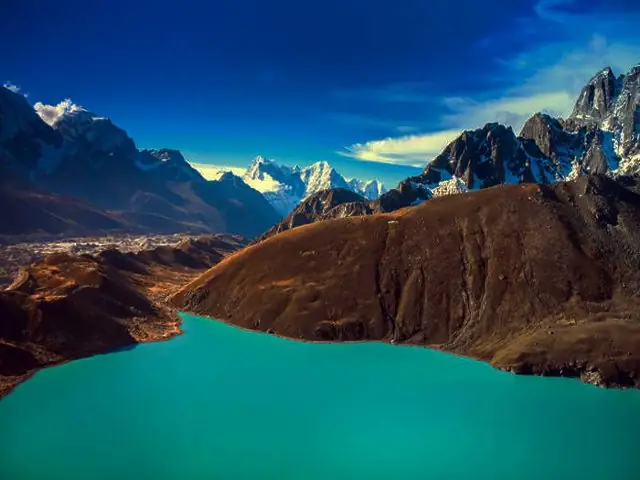
Is it safe to drink from the lakes?
No. Water from the lakes and streams may contain bacteria and other contaminants. Treat or boil all drinking water.
What if I feel unwell on the pass?
Stop, sit down, drink and eat something and tell your guide. If symptoms are altitude-related, descend immediately. Do not continue over the pass if you feel seriously unwell.
Are there doctors along the route?
Health posts exist at Namche, Khunde and other villages, but they have limited facilities. In the busy seasons volunteer-run aid posts operate on the main Everest routes, but not everywhere. For serious problems, helicopter evacuation is the standard.