




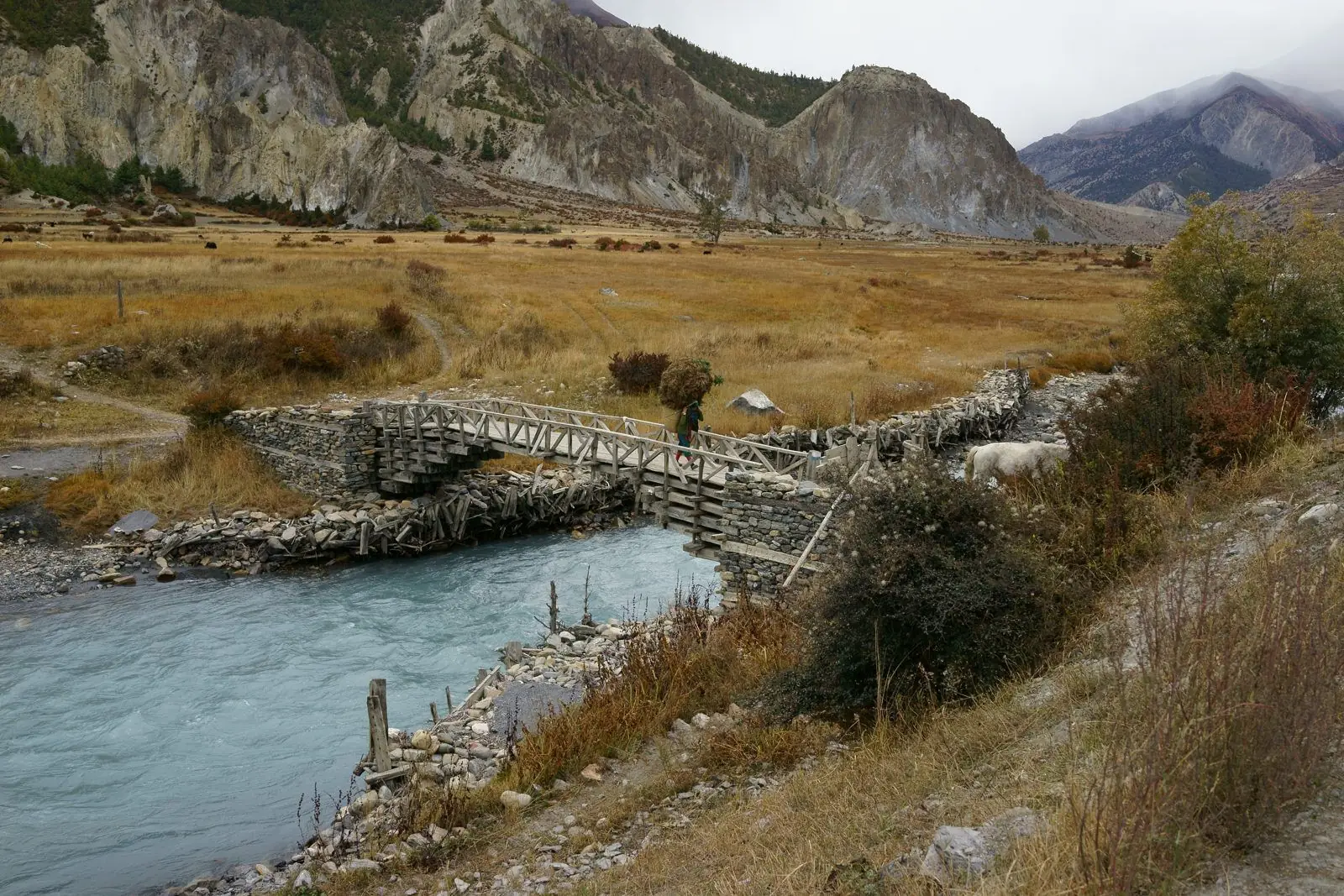
The Limi Valley trek starts at Simikot, about 2,950 m, and gains height through forest before the first big pass, Nara La at about 4,580 m. A second pass, Nyalu La, is close to 5,000 m. Several days are spent above 3,500 m, and help is far away, so a slow pace and spare days matter. This is general information, not medical advice.
How the route gains height
After the flight to Simikot, at about 2,950 m, the trail heads through forest and over ridges. Camps in the first days are usually between about 2,500 m and 3,500 m, and the path follows river valleys, so the early days give a gentle start.
Then comes Nara La at about 4,580 m, a long but not technical climb, which leads into the drier Limi villages. Later, Nyalu La, close to 5,000 m, is the highest point. Because you fly straight to nearly 3,000 m, take the first days slowly, even if you feel strong. Heights are approximate and vary by source and route.
Where the highest nights are
The highest nights tend to fall around the Limi villages and before or after the passes, depending on where the crew can camp. The pass crossings themselves are long days rather than sleeping spots.
Your guide chooses camps based on water, shelter and how people are feeling, so the plan can change on the trek. Ask us before you book how many nights we expect above 3,500 m and above 4,000 m for your dates. Climbing high and sleeping lower where possible is a good habit, and a flexible guide matters more than a fixed schedule.
Rest days and spare days
Acclimatisation is slow work, and a rest day is the best tool you have. Days in the Limi villages, with short walks and a visit to the monastery at Halji, give the body time without adding height.
Spare days matter even more here. Flights to Simikot can be delayed, and passes can be affected by weather, so we suggest at least two. A spare day also lets you wait out a poor night without pushing on. If you want extra margin, we can add a spare day to your plan. Drink plenty of water, eat even when appetite is low, and avoid alcohol.
Symptoms to take seriously
Mild symptoms include headache, poor sleep, loss of appetite and unusual tiredness. Rest, drink fluids and do not go higher until you feel better.
Tell your guide at once if you have a worsening headache, repeated vomiting, unsteady walking, confusion, a wet cough or breathlessness at rest. These signs can become serious quickly. Descent is the most reliable treatment, so do not wait for morning. This is general information, not medical advice, so speak to your doctor before travelling, especially if you have a heart or lung condition or are on regular medicines.
Descent and getting help
Limi is remote. There are no clinics beyond Simikot, mobile signal is weak or absent, and flights out depend on weather, so help takes time. Your guide carries a first aid kit and a plan, and a satellite device is the best way to call for help.
If someone becomes unwell, the first move is to go down, with help if needed. Helicopter rescue may be possible but is not guaranteed and can be delayed by cloud. Make sure your insurance covers remote evacuation, share your itinerary with the insurer, and agree a turn back plan with your guide before the first pass.
Common questions
How high is Nara La?
Nara La is at about 4,580 m, and Nyalu La is close to 5,000 m. Heights vary slightly by source, so treat these as approximate and ask your guide for current local figures.
Is Limi Valley harder for altitude than Everest Base Camp?
The highest points are similar or lower, but Limi is more remote and you fly straight to about 2,950 m. Help is further away, so a careful pace and spare days matter more.
What if I feel unwell on a pass day?
Tell your guide immediately. If symptoms are worsening, the safe choice is to descend, not continue. This is general information, not medical advice. Your guide will decide how to help you down.


