




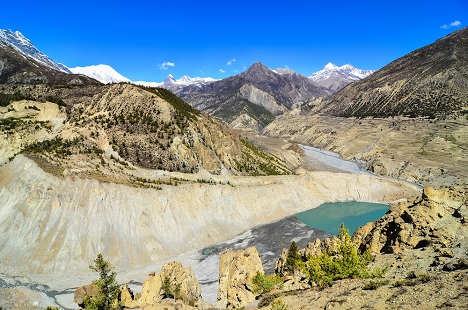
Manang, at about 3,540 m, is the best-known stop on the Annapurna Circuit and the place where trekkers rest, acclimatise and decide whether to go on. It is also a living village, with a long history of trade and a distinct culture. Understanding that makes the rest day more than a pause.
Where Manang is
Timings depend on your pace and the weather, and heights vary a little by source, so treat them as a guide.
Manang lies in a broad glacial valley on the north side of the Annapurna range, in the rain shadow, which means it is drier and colder than the southern slopes. The village sits under a wall of peaks including Annapurna III, Gangapurna and Tilicho Peak, with a glacial lake at its edge. The main trail passes through a cluster of villages: Manang itself, Braga, Ghyaru, Ngawal and Khangsar in side valleys, and Humde and Mugje down the main river.
The Nyeshang people
The people of Manang are often called Nyeshangba, a Tibetan-influenced community with their own dialect and customs. Their villages are built from stone, with flat roofs, small windows and prayer flags. Buddhism shapes daily life, with chorten, mani walls and monasteries throughout the valley.
A trading tradition
Manang is known for its traders. In the past, the people of the valley travelled long distances to trade goods across the Himalayas and into South and Southeast Asia, helped by special trading rights granted in the 20th century. This tradition has shaped local identity and wealth, and helps explain why Manang has some of the best-stocked shops and bakeries on the Circuit. Today many families combine tourism, farming, herding and business.
What Manang looks like today
- A main street of stone buildings and lodges with views of the peaks.
- Bakeries, cafes and shops selling snacks and gear.
- A health post that offers altitude talks.
- Small cinema rooms in some lodges that show mountain films in the evening.
- Prayer wheels, chorten and a gompa nearby.
Why everyone stops here
Manang is the standard acclimatisation stop before the high section of the Circuit. Spending two nights lets your body adjust, and the rest-day hikes give you views and exercise at higher elevation. See rest-day hikes from Manang for options.
Respectful visiting
- Walk clockwise around chorten and mani walls.
- Ask before photographing people and religious sites.
- Dress modestly in the village and religious buildings.
- Buy local products and eat in family-run lodges.
- Keep noise low in the evening; many lodges have thin walls.
Where to go next
Read how the Manang health post helps trekkers and what lodges and food are like. If you are thinking about Tilicho Lake, see our Tilicho Lake guides.
Manang through the seasons
In the main trekking seasons the village is busy, with lodges full and bakeries buzzing. In winter, many families go down to Kathmandu, Pokhara or the lower valley, and the high village is quiet. In summer, farming takes priority. Knowing this helps you see Manang as a working community rather than a trekking stop.
What to ask a local
- How have the road and tourism changed life here?
- What do people grow and herd?
- Which festivals matter most in the year?
- What is the best place to see the sunrise?
- What would you like visitors to know?
Common questions
How high is Manang?
About 3,540 m. It is the standard acclimatisation stop on the Annapurna Circuit.
Who lives in Manang?
Mostly Nyeshangba people, a Tibetan-influenced Buddhist community with a long trading tradition.
Is Manang a village or a town?
It is a large village by mountain standards, with shops, bakeries, lodges and a health post, but it remains small and traditional.
What our guests say
Excerpts from trekker reviews on our reviews page.
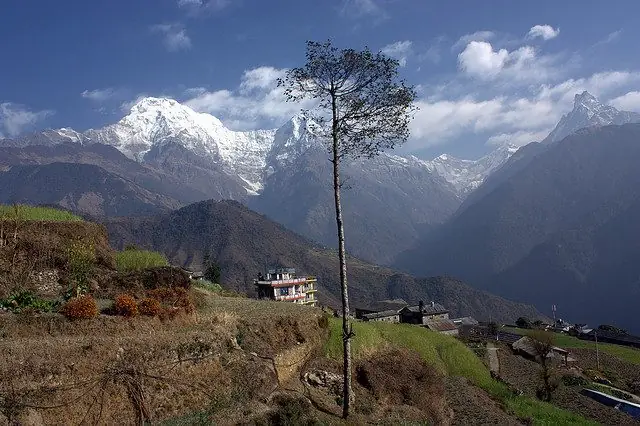
“Superb trek lead, fantastic experience, perfect weather prediction, had a great knowledge on all peaks.”

