




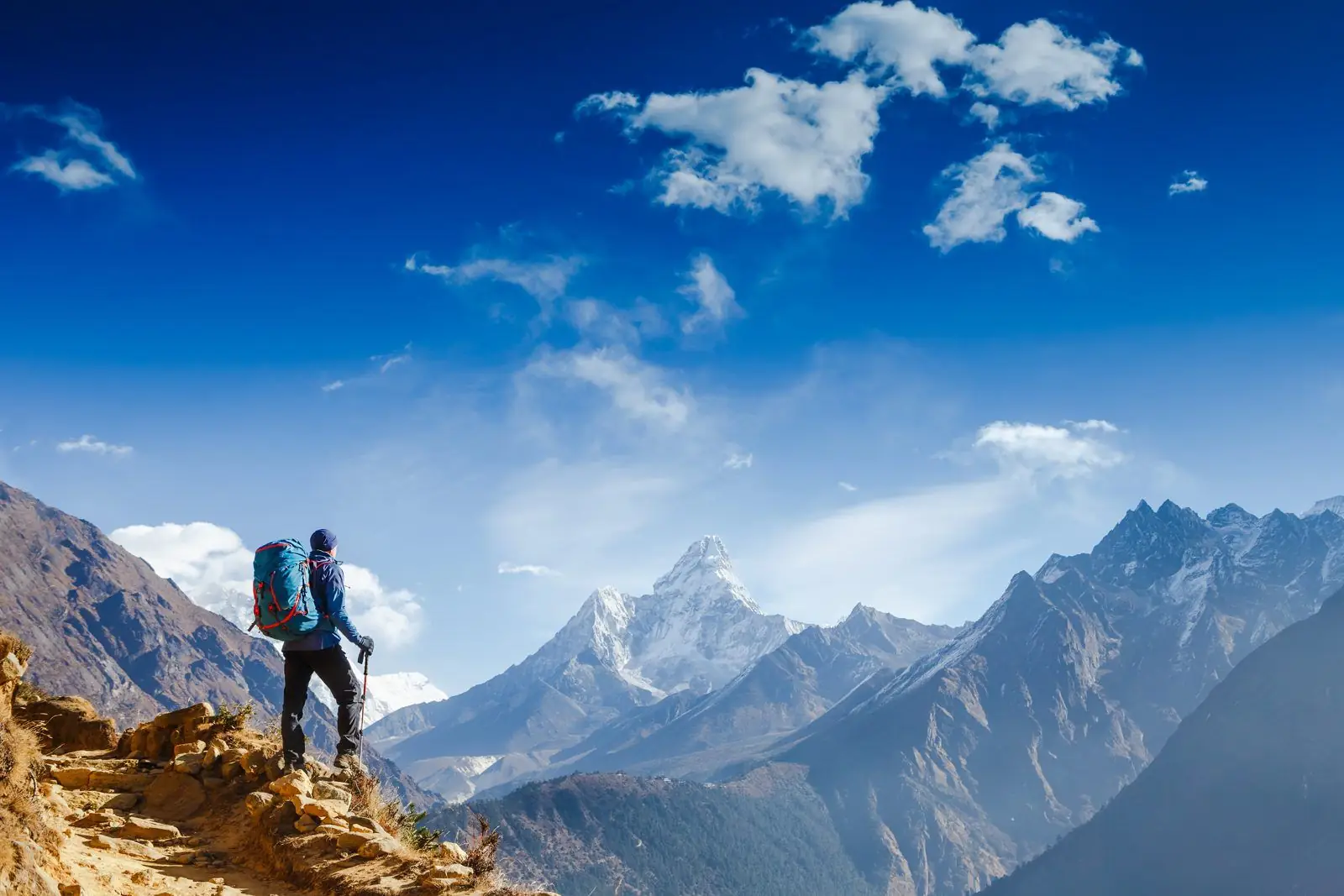
Pikey is an easy to moderate trek. Walking days are short and the summit is under 4,100 m, but altitude can still affect some people, so go slowly.
Easy to moderate
Pikey Peak is one of the gentler summit treks in Nepal. You begin at about 2,400 m and reach a summit of about 4,065 m, and the highest sleeping height is near 3,000 m. Altitude sickness is uncommon, but not impossible, particularly if you rush the ascent.
Daily effort
Four to six hours of walking on most days, with the summit morning the longest effort because it involves an early start and a steady climb. The trail is mostly forest path and open ridge.
Navigation
The trail is signed, but in thick forest it is easy to miss a turn. Stay on the main path and confirm the next day's route with your lodge owner each evening.
Who it suits
Fit beginners, families with children aged about ten and older, and people who want an easy trek before a bigger one. Basic good fitness is enough.
Training tips
Two or three weeks of regular uphill walking is enough preparation. Include a few long weekend walks of four to five hours with a small pack. If you are older or have a heart or lung condition, consult your doctor.
Altitude advice
Even at 4,065 m, the air has about 60 percent of sea level oxygen. Walk slowly on the summit morning and drink water. If you feel unusually breathless or dizzy, stop and descend.
Preparation
Warm clothing for the summit, sturdy boots and a head torch are the main needs. See the season guide.
Common questions
- Can children do Pikey Peak? Fit children aged ten and over can usually manage with rests and warm clothes.
- Is it harder than Poon Hill? The summit is higher, so the final climb is a little harder, but the days are similar in length.
- How cold is it at the top? Often below freezing before sunrise, so bring gloves and a hat.
A moderate trek
Pikey Peak, about 4,065 m, offers views of Everest and many other peaks without extreme altitude. Steep stretches exist, but most fit walkers manage.


