Pisang Peak asks for steady endurance, strong legs and comfort on steep ground. Training should help you walk five to eight hours for several days in a row, carry a daypack and recover well at altitude. Start 12 to 16 weeks before departure, and keep the plan sustainable. If you have a medical condition or are over 50, speak to a doctor first.
Build an aerobic base
Aim for three to four sessions a week of walking, jogging, cycling or swimming at a comfortable effort, with one longer session each week. Build the long session from one hour to three or four.
Back-to-back hiking
On two consecutive days, hike four to six hours with a daypack of 6 to 8 kg. Include hills or stairs. This is the best preparation for the long trek days and the early summit push.
Strength and balance
- Squats, lunges and step-ups for the legs.
- Core work, such as planks.
- Calf and ankle exercises to protect against slips.
- Downhill walking to condition the knees.
Steep ground and skills
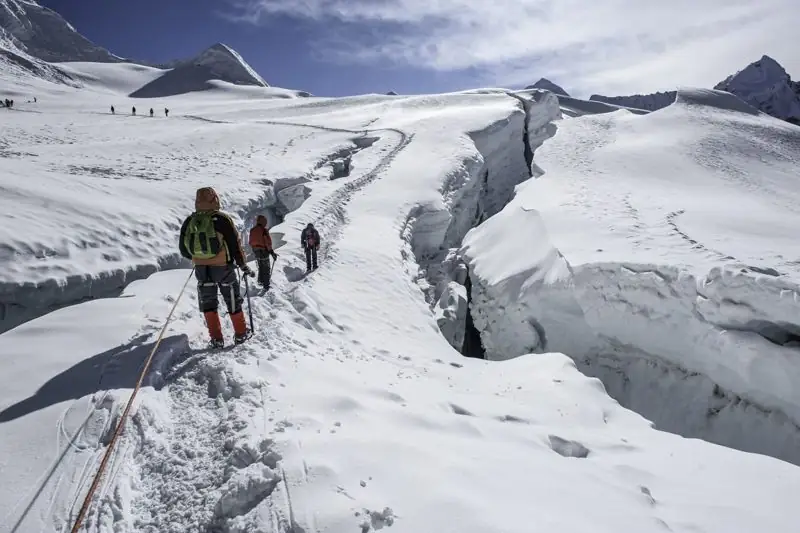
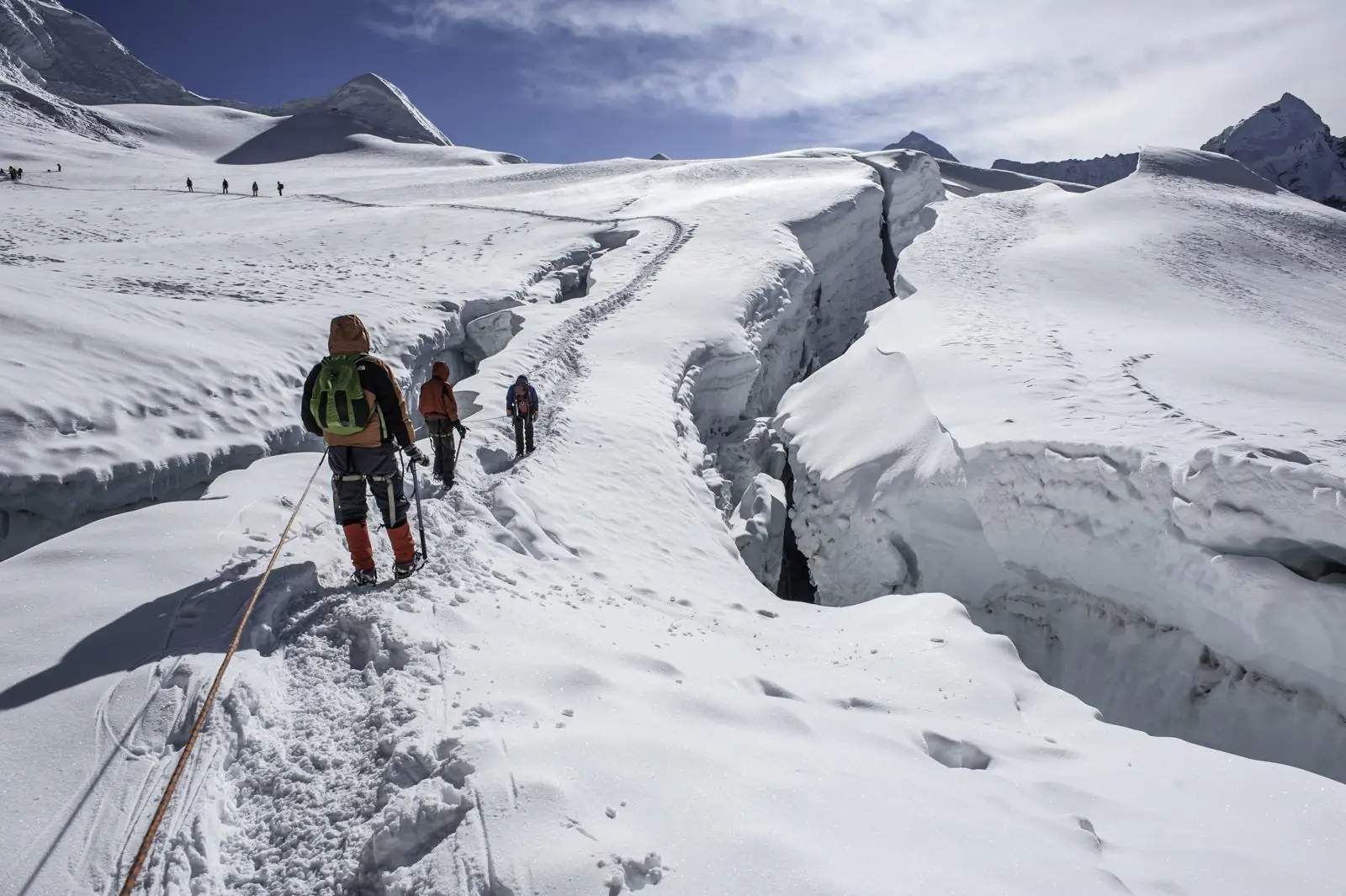
A short alpine or snow course teaches crampon use, ice axe handling and rope skills, and it helps with the steeper upper sections. If you cannot attend a course, practise adjusting a harness and crampons at home with gloves on.
Cold and early starts
Summit day starts in the dark and the cold. Practise walking early in the morning in cool weather with layers and a headlamp.
Final two weeks
Reduce volume, sleep well and eat properly. Avoid new activities that could cause injury. Arrive healthy and slightly undertrained rather than tired or hurt.