




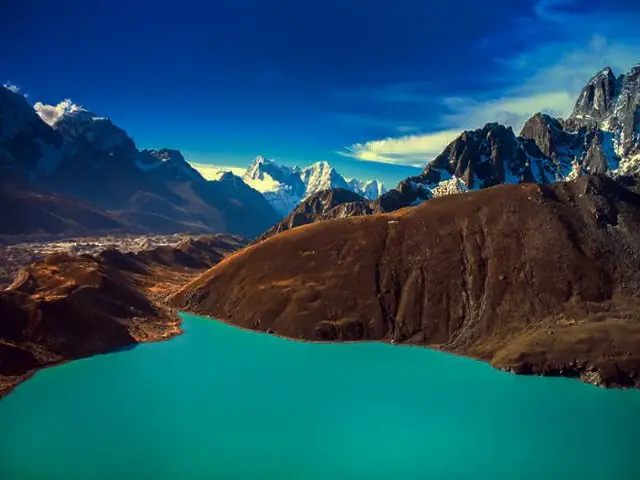
Altitude on the Rara Lake trek is moderate, but not zero risk. The lake is about 2,990 m, and the route climbs on ridges above it, so most travellers feel only mild effects. The main risks come from flying in quickly and sleeping at the highest camp. Go up gradually, drink plenty, and descend if symptoms worsen. This is general information, not medical advice.
How the route gains height
Most of the trek stays between forest levels and the lake shore, with climbs and descents rather than one long ascent. You start lower than the lake, gain height over a few days, and then spend one or more nights close to it. Day hikes to viewpoints above the lake take you higher briefly, then you sleep lower again, which is the classic way to adapt. Walking times vary with pace and trail conditions, so we keep days flexible and avoid forcing a fixed schedule. Gradual days and plenty of fluids matter more than speed, and being fit helps but does not remove the need to adapt.
Where the highest nights are
Your highest sleeping point is usually at or near the lake itself, at about 2,990 m, unless the plan includes a camp on a ridge. That is below the heights where serious altitude illness is common, but some people still notice a mild headache, poor sleep or shortness of breath on the first night. Because the lake is the aim of the trip, you will not need to push higher after that. Ask us for the exact night-by-night plan for your dates. If you sleep poorly, that alone is not a reason to worry, but tell your guide about it.
Rest day logic
A rest day by the lake is a sensible choice rather than a luxury. It lets your body adjust, gives time for a short hike higher up, and absorbs flight delays or bad weather without squeezing the schedule. If you arrive by air and start walking at once, the extra day matters more. We can add a spare day to any itinerary, and many travellers find it improves comfort, photography and sleep at no real loss of time. Use the day for gentle walking, not lying in bed, because light activity helps adaptation.
Symptoms and what to do
Watch for headache that does not ease, nausea, dizziness, unusual tiredness, poor appetite or disturbed sleep. These can be early signs of altitude illness. Tell your guide at once rather than hiding them, rest, drink water and do not climb higher while symptoms persist. If they worsen, or you notice confusion, loss of balance, breathlessness at rest or a persistent cough, descend immediately. Do not take extra risks to finish the schedule. Carry any medicines your doctor has advised and follow that advice. Never leave a person with worsening symptoms alone.
Descent options and remoteness
Rara is remote, so help is not around the corner. The main response to altitude illness is to go down, and a walk toward lower ground is usually available. Evacuation by air depends on weather, fuel and a working communication link, and it is not guaranteed. Good travel insurance that covers trekking at this height and helicopter rescue is essential. Your guide carries the plan and a phone or other communication; rules and services change, so confirm the details with us before you travel. Ask us how the plan handles this before you book.
Common questions
Can altitude sickness happen at Rara Lake?
Yes, though it is less common than on higher treks. The lake is about 2,990 m, and some people feel mild symptoms. Go slowly, drink water and tell your guide early. This is general information, not medical advice.
Do I need medicine for altitude on this trek?
Ask your own doctor, because needs differ. Medicines do not replace gradual ascent and descent when symptoms appear. This is general information, not medical advice, so follow your doctor's guidance.
What should I do if I feel unwell?
Stop climbing, rest, drink fluids and inform your guide immediately. If symptoms get worse, or you have confusion, imbalance or breathlessness at rest, descend straight away and arrange medical help.
Is the trek suitable for beginners?
Many first-time trekkers manage it, since altitude is moderate and the walking is gentle to moderate. Remoteness and flights need planning, so tell us your experience and we will suggest the right pace.


