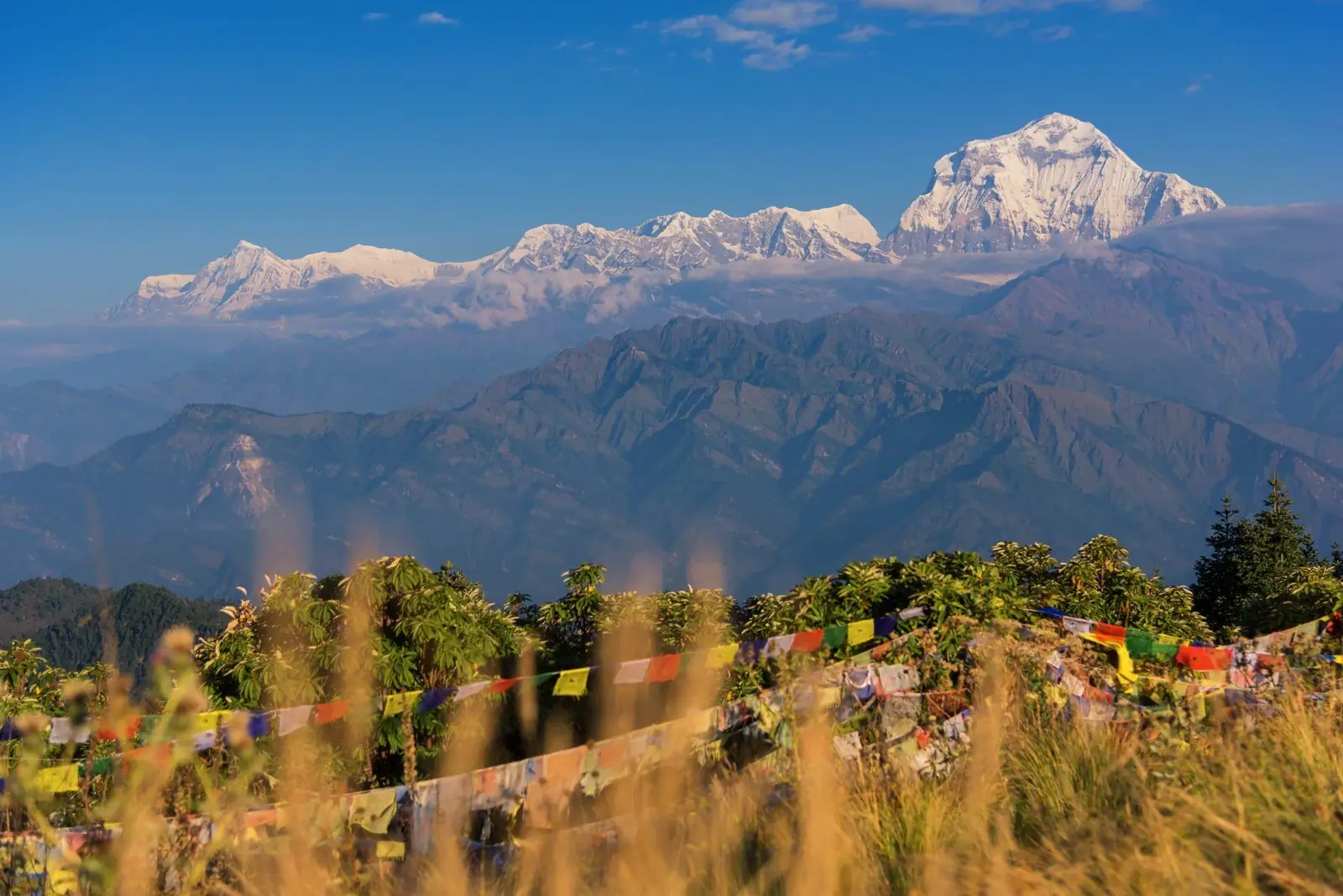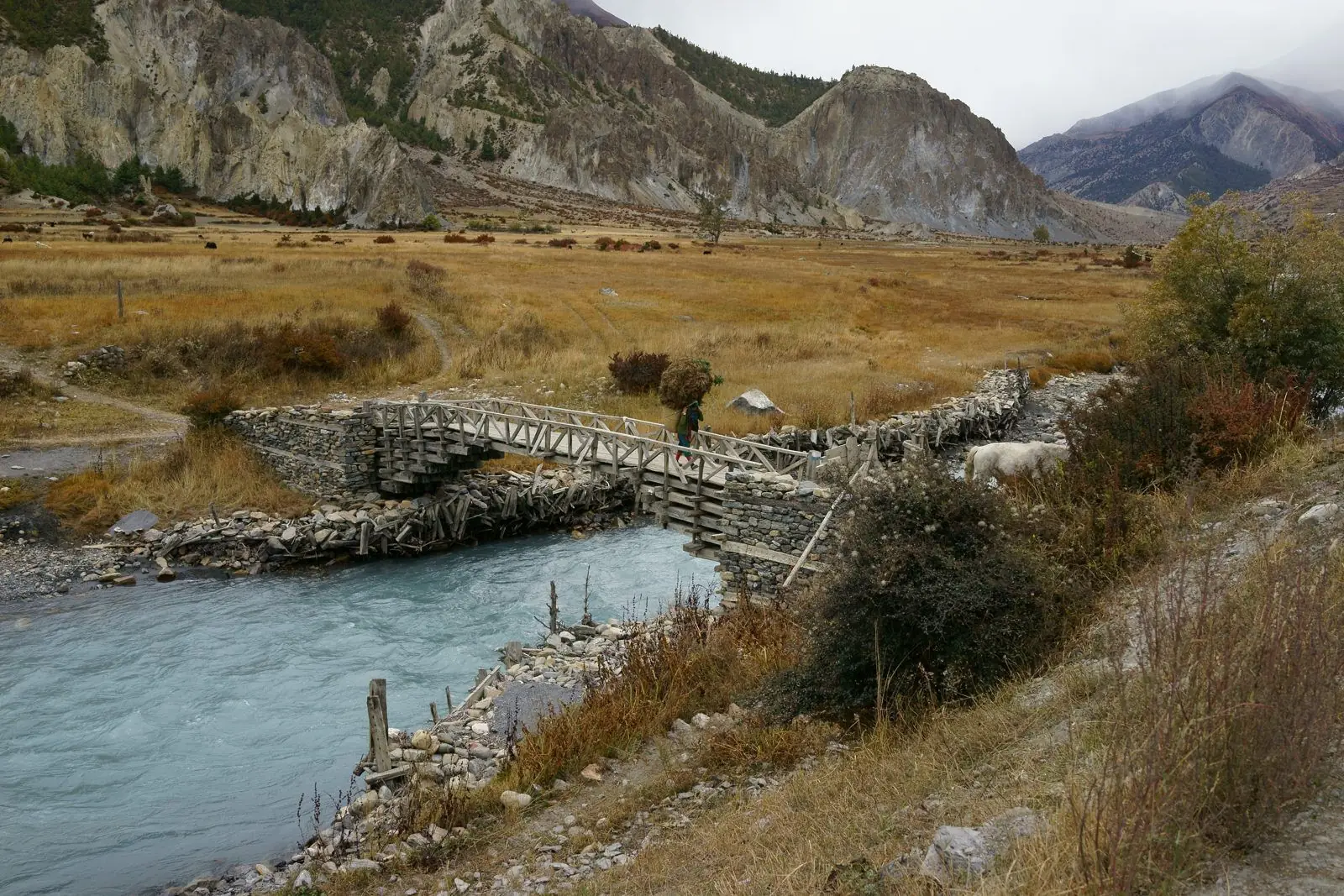
Upper Mustang is a restricted area, and the rules require a registered agency and a licensed guide on this route. The Upper Mustang trek and the Sarebung pass are both on the list where TIMS cards and a guide are mandatory.
What this means in practice
You cannot arrange the permit by yourself at the trailhead. A registered trekking agency applies for the restricted-area permit and the TIMS card on your behalf, registers the guide and route, and pays online. You then travel with your guide.
Walking solo within a guided plan
Having a guide does not mean you must stay in a big group. Many people travel as a pair or alone with one guide, walking at their own pace and choosing where to stop for photographs. Costs per person are higher for a single traveller, because the guide and transport are not shared.
Why the rules exist
The restricted status protects a culturally sensitive and remote area, and the requirement for a guide supports safety and local employment. It also helps with navigation, language and cultural understanding.
Joining a group
If the per-person cost is a concern, joining a small group departure spreads the cost. Ask us whether there is a departure that matches your dates.
Things to avoid
- Do not pay anyone who offers a permit outside a registered agency.
- Do not stray from the agreed route.
- Do not fly drones without checking the rules.
Rules can be revised, so confirm the current requirements when you book. We will arrange everything for you.
How a guided trek still feels personal
Having a guide does not mean following a rigid programme. Within the permit conditions you can decide when to start, where to stop for tea and how long to spend in places that interest you. The guide handles logistics, translates, interprets local customs and watches your health. Many trekkers find this makes the trip richer and more relaxed.
Choosing your guide
Ask about your guide's experience in Upper Mustang, languages spoken, first-aid training and approach to altitude. If possible, speak to the guide before departure. A good fit with your guide matters on a trek lasting many days, so do not be shy about asking for someone who suits your pace and interests.
What you can expect from the agency
The agency should arrange permits, accommodation, transport and an emergency plan, and be reachable if something goes wrong. Check their registration and ask for references from previous trekkers. Clear communication before departure is a good sign of reliable service.
Remember
- Do not try to bypass checkpoints or trek without the proper permits.
- Follow your guide's advice about weather and altitude.
- Give feedback to the agency after the trek so standards improve.
How guides add value
Beyond the regulatory requirement, guides interpret culture, manage logistics and handle emergencies. A good guide knows monasteries, local families and the best viewpoints. Choose one with experience in Mustang.
Group dynamics
Share information about pace, interests and health. Be flexible and respectful, and enjoy the company of fellow travellers.