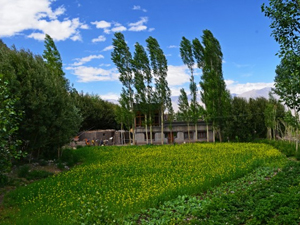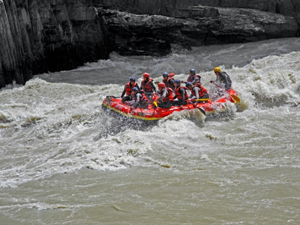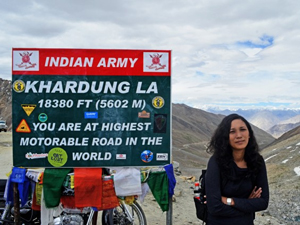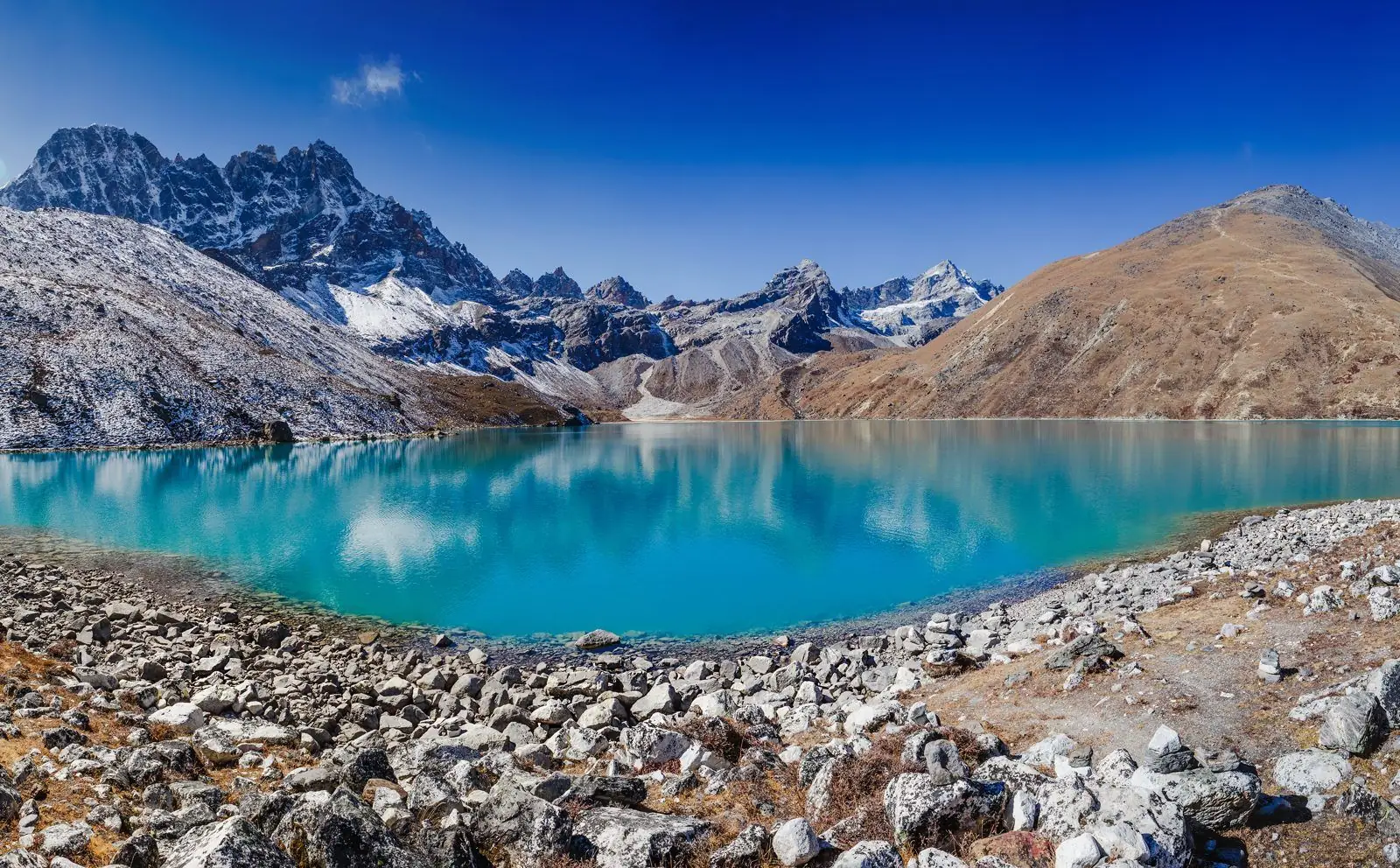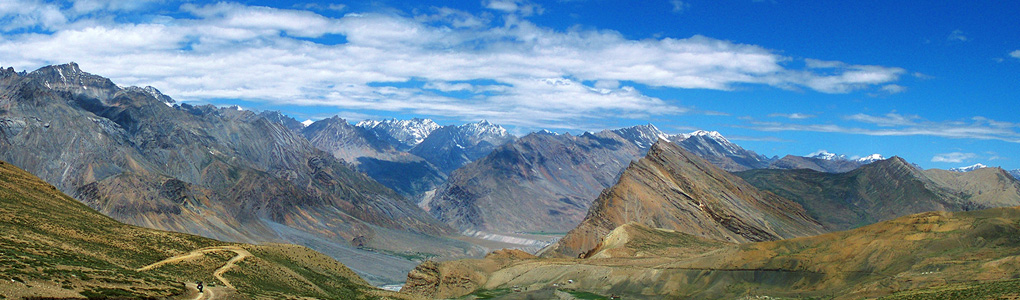
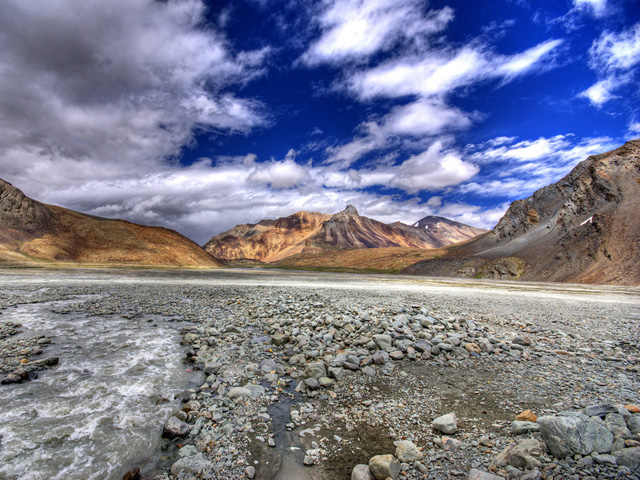
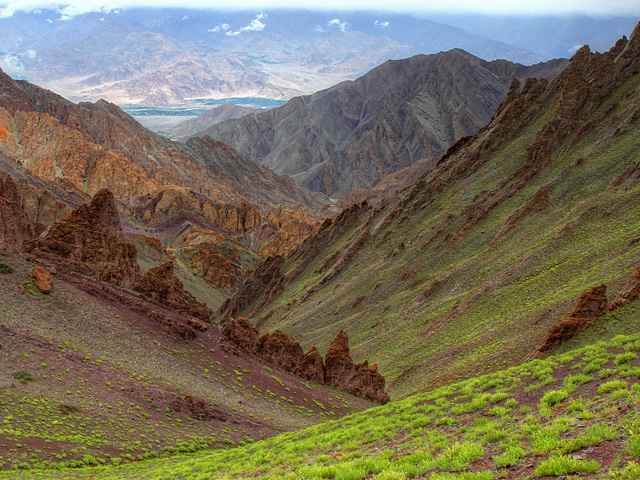
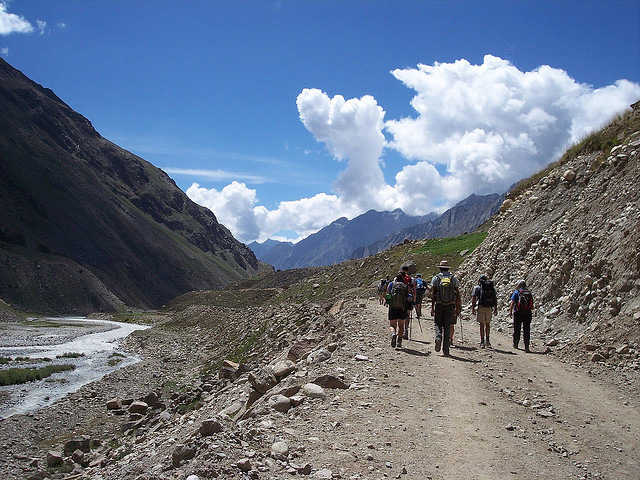
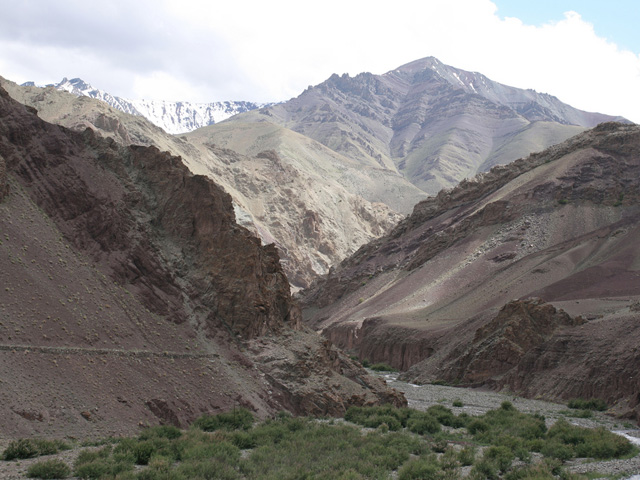
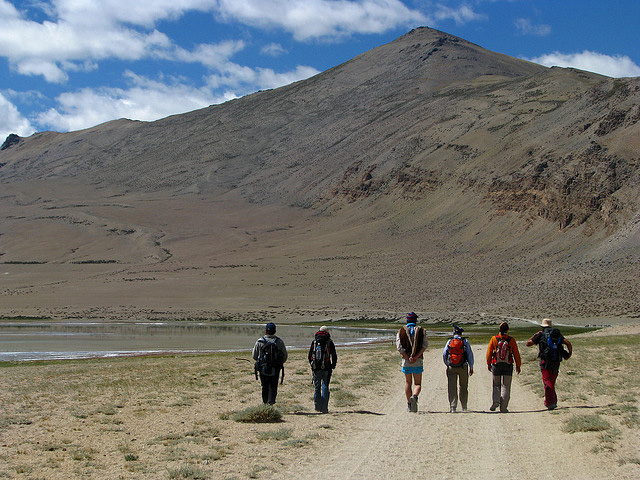
Ladakh is a land of big skies, bare mountains and quiet Buddhist villages, and it draws a small but steady stream of travellers who want landscapes unlike anywhere else in India. Stunning mountain scenery, remote hamlets, ancient gompas and ruined forts reward those who make the journey. The region lies in the rain shadow of the Himalaya, so it is dry, cold and strikingly clear: the colours of rock, sky and river are intense, and the air is thin.
Most visitors enter and leave through Leh, the largest town in the region, which has daily flights from Delhi. Trekking is best from late June to September, when the snow has melted and daytime temperatures are warm. Those months are the monsoon in much of the rest of the Himalaya, so Ladakh is the best option for a trip during that time. Leh lies at 3,500 m, so give yourself at least two or three days to acclimatise before any trek, drinking plenty of water and avoiding alcohol and strenuous exercise on arrival.
If you are travelling overland, buses and shared jeeps run from Srinagar or Manali, typically open from May to November. Both routes cross spectacular high mountain passes and are well worth doing if you have the time, but they are long, and the Manali road crosses several passes above 4,800 m, so they require good acclimatisation. Flying in and travelling out by road is a common compromise.
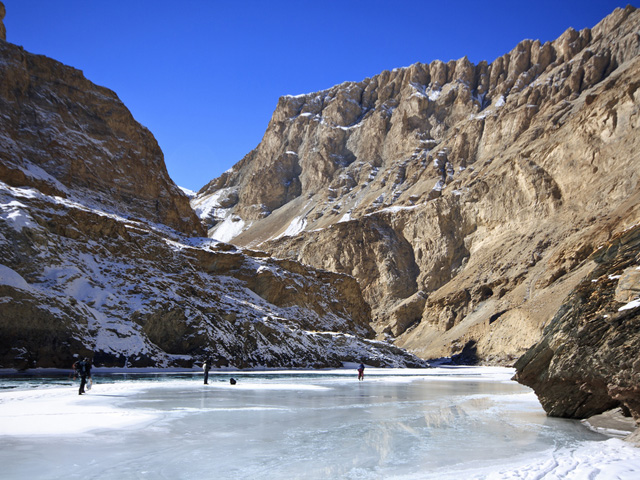
The classic treks include the Markha Valley, with its homestays and two passes, the longer Lamayuru to Zanskar route, the climb of Stok Kangri, and the winter Chadar trek along the frozen Zanskar. Between treks, the culture of Ladakh is worth time in its own right: the monasteries of Hemis, Thiksey, Alchi and Lamayuru, the palace in Leh, the Nubra Valley and the great lakes of Pangong and Tso Moriri. Plan your visit for the festival season in summer, when monasteries hold masked dances.
Image From Flickr: Sameer Karmarkar, Prabhu B Doss, Akshay Charegaonkar, Gaurav Agrawal, Paul A. Fagan, mr__fox, McKay Savage, Mandala Travel
Top Treks
Markha Valley Trek
An eight-day trek that is easily accessible from Leh and crosses two high mountain passes. The route follows the Markha river through gorges and barley villages, with homestays available in the small villages along the way, so it is possible to trek without carrying a tent. It is Ladakh's most popular trek for good reasons.
Lamayuru to Zanskar Trek
A three-week journey through the remote Zanskar region. The route can be divided into two ten-day stages, Lamayuru to Padum and Padum to Darcha. It passes remote canyons, high passes and important monasteries, and it needs a strong group with good logistics and a flexible schedule.
Stok Kangri Climb
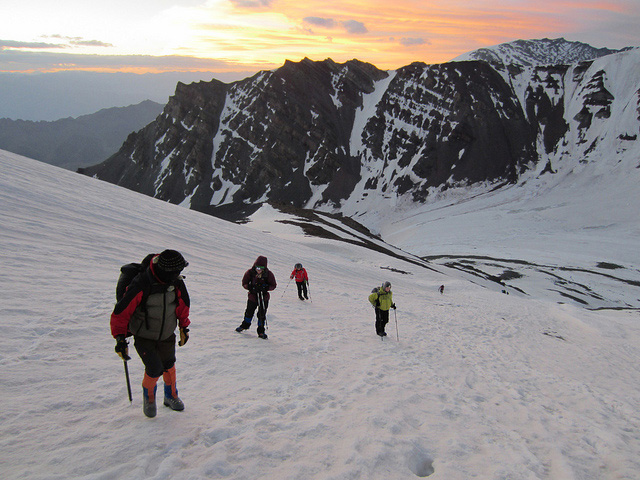
A nine-day journey to the summit of Stok Kangri (6,137 m). The peak rises in the Stok Range, between the Markha valley on one side and the Indus valley on the other. The approach follows part of the same route as the Markha Valley trek, and it is a more demanding option for those who want to climb a non-technical six-thousand-metre peak.
Chadar Frozen River Trek
This trek can only be done in late January or early February, when the Zanskar River freezes and becomes the only route from Kargil to Padum. Walking on the frozen river through dramatic canyons is an experience few travellers forget, but it needs proper cold-weather gear and a local guide.
Quick Answers about Ladakh
What is the best time to visit Ladakh?
June to September, January to Mid-March.
Which cities and towns should I know in Ladakh?
Kargil, Leh.
What are the must-see places in Ladakh?
Nubra Valley, Zanskar Valley.
Which peaks are found in Ladakh?
Stok Kangri, Dzo Jongo, Kangyatse.