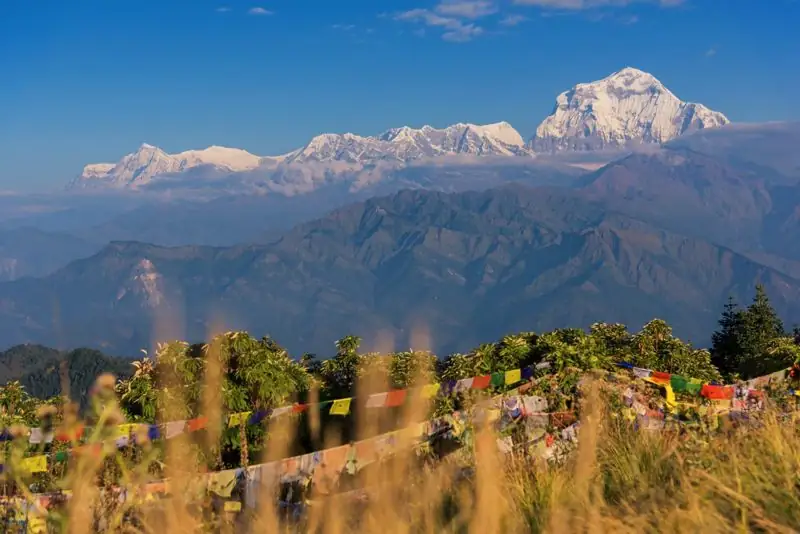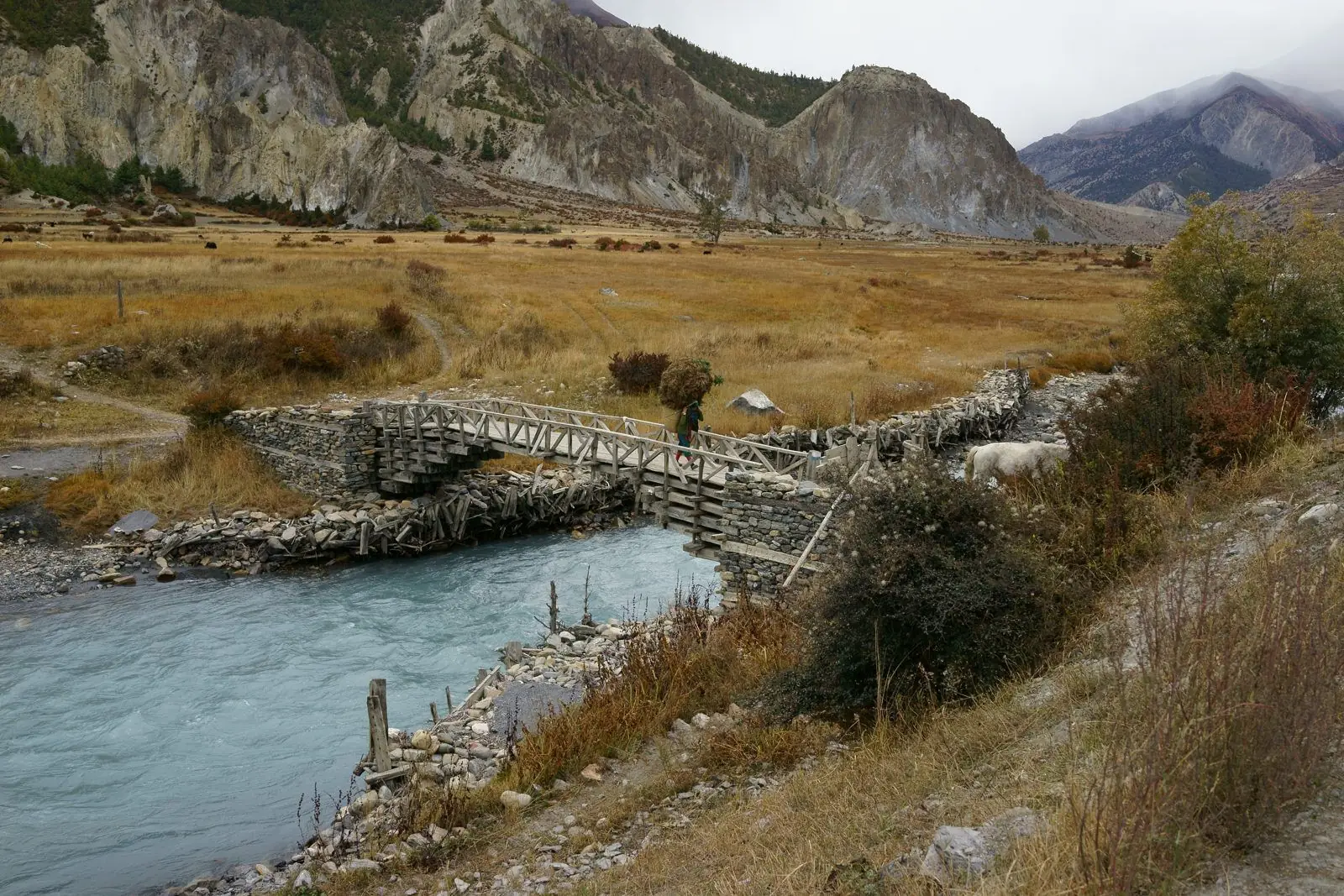
Indian citizens can walk the Annapurna Circuit without a visa, but they still need valid ID, park permits and a plan built around Thorong La at 5,416 m. Most Indian groups go in October or in spring.
Entry and documents
Indian citizens do not need a visa to enter Nepal and may arrive by air or by land. Carry a valid passport or voter ID card, which are the documents normally accepted, and check the current rules shortly before you travel because requirements can change. Keep photocopies and a digital copy in a separate bag. The circuit lies inside the Annapurna Conservation Area, so you also need its permit and a trekking registration. Your operator arranges both. Indian and other SAARC citizens usually pay a lower park rate than other foreigners, so ask for the current figure when you book.
Money and spending
Nepali rupees are the currency on the trail. Small Indian notes are accepted in Kathmandu and Pokhara, but villages prefer Nepali cash and higher Indian denominations are not allowed in Nepal, so withdraw or exchange before you start walking. Pokhara and Besisahar have reliable ATMs, but machines above Chame often run out of cash. Budget for tea, charging, Wi-Fi and the occasional hot shower, which are all sold separately at lodges and cost more as you climb.
Food and diet
Vegetarian trekkers are well served. Dal bhat, vegetable momos, noodles, porridge, potato dishes and apple pie are on almost every menu. Jain and no-onion-no-garlic meals are possible if you tell the lodge in advance, though supplies thin out at altitude. Carry dry snacks such as nuts, thepla and energy bars for long days.
Choosing dates around holidays
Dussehra, Diwali and the winter break are the busiest times for Indian visitors. The most reliable weather is early October to mid November and again from March to May. Thorong La is snowy in winter and risky after heavy snowfall. Keep a spare day on each side of the pass, and read the acclimatisation profile before you choose a pace.
Getting there from India
Fly to Kathmandu from Delhi, Mumbai, Kolkata, Bengaluru and other cities, or cross by road at Sunauli, Raxaul or Jogbani and continue by bus. From Kathmandu it is about seven hours by road to Besisahar. See the stage-by-stage guide for the full route.
What our guests say
Excerpts from trekker reviews on our reviews page.
“One of the greatest experiences of my life was made so much enjoyable by this team!”