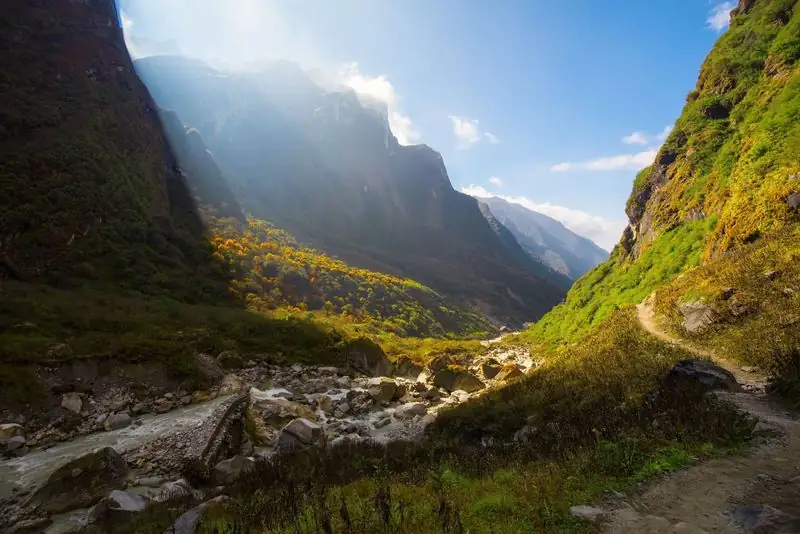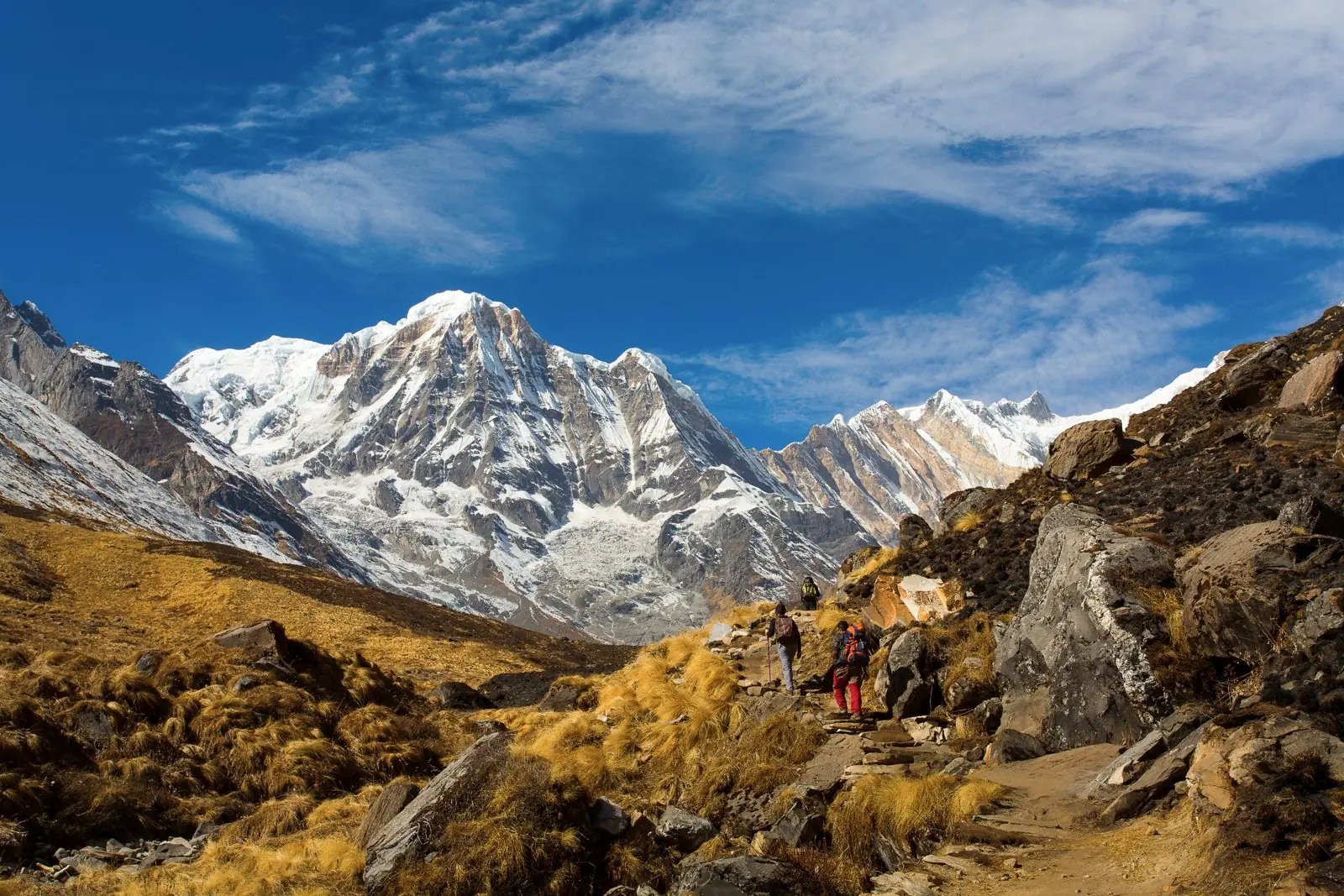
The Nar Phu Valley is a remote side valley north of the Annapurna Circuit, near Koto in the Manang area. Because it lies in a restricted zone, it needs more paperwork than the main Circuit, and the cost varies by season.
Restricted area permit
The permit covers the local units of Narpa and Nasho in the Manang district. The fees supplied to us by the operator, per person, are:
- September to November: USD 100 for the first week, then USD 15 per day beyond one week.
- December to August: USD 75 for the first week, then USD 15 per day beyond one week.
These figures can change. Confirm the current rates with us before you book, and do not rely on an old number.
Other requirements
Nar Phu is on the list of routes where a licensed trekking guide and an agency-issued TIMS card are mandatory. TIMS costs NPR 1,000 for nationals of SAARC countries, including India, and NPR 2,000 for other nationalities. The Annapurna Conservation Area entry fee also applies, at NPR 1,000 for SAARC nationals and NPR 3,000 for others, per entry.
What the trek is like
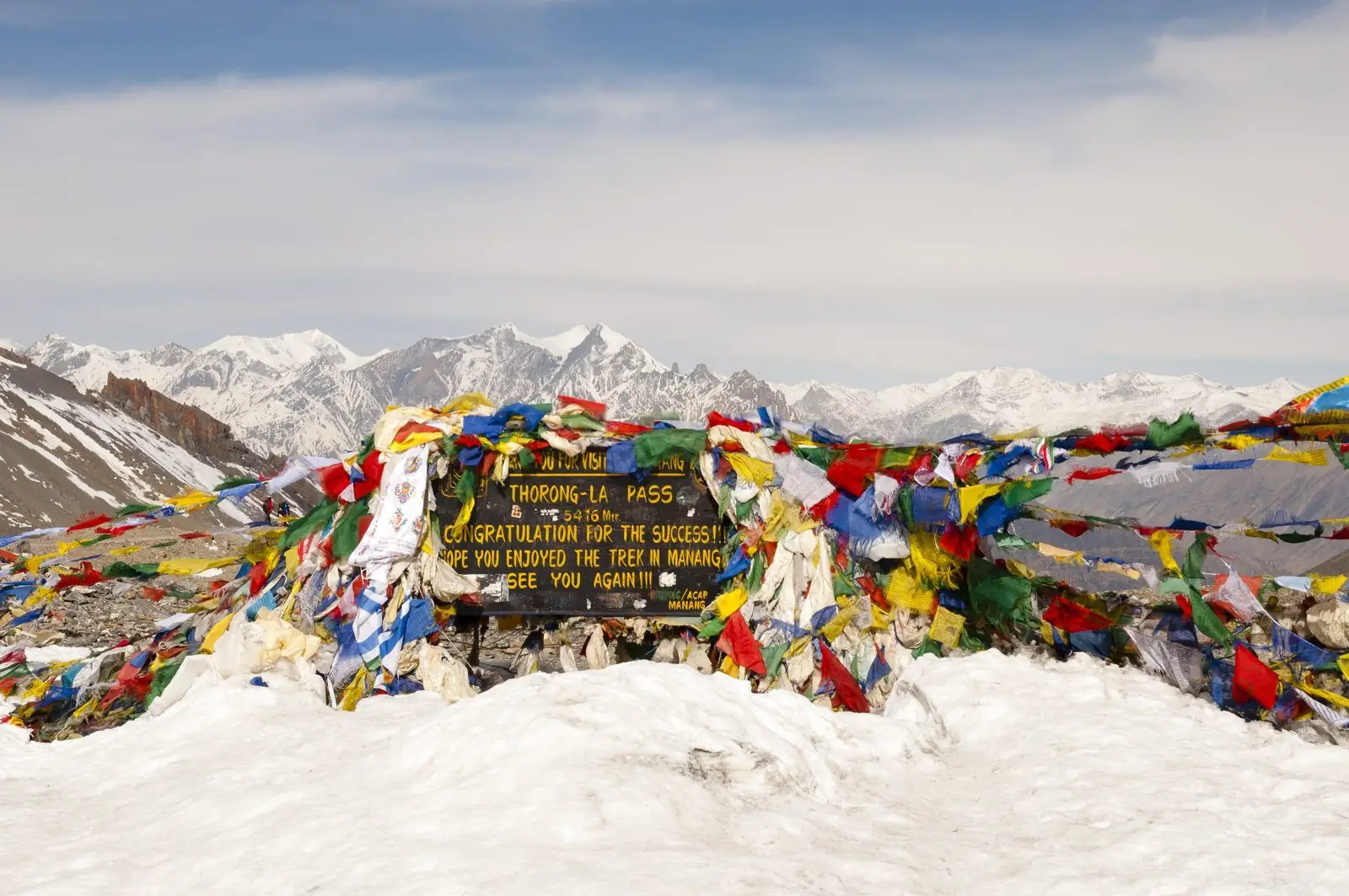
Expect a quieter, wilder trek than the main Circuit: narrow gorges, old Tibetan-style villages, simple lodges and a high pass at the far end that links back to the main route. Facilities are basic, and days can be long. Altitude is significant, so a gradual itinerary matters.
Planning notes
- Allow extra days compared with the standard Circuit.
- Start your permit paperwork well before your travel dates.
- Carry cash and expect limited phone coverage.
- Check pass conditions with your guide close to the crossing date.
Send us your dates and passport details and we will help with the paperwork.
A different kind of trek
Nar Phu is remote, with traditional stone villages, monasteries and a landscape that feels close to Tibet. Walking here you meet far fewer trekkers and see a way of life that has changed slowly. Lodges are simpler, communication is more limited and the pace is slower. The trek suits people who want solitude and cultural depth, and who are comfortable with basic conditions.
Altitude and the pass
The route includes the high crossing of Kang La, which involves a steep climb and a long day, with altitude well above 5,000 m. Good acclimatisation and flexible planning are essential. A rescue from this region takes longer, so insurance and a capable guide matter even more. Do not attempt this trek without sufficient days to adjust.
Preparing for a restricted area
Restricted-area permits are issued only through registered agencies, usually for groups of at least two people travelling with a guide. Provide your documents early because processing can take time. Ask your operator about the fee, the number of days it covers and what to do if the schedule changes. Carry your own warm clothing and snacks, because supplies are limited.
Respect for local communities
- Ask before taking photographs of people and religious sites.
- Buy local products where possible, and avoid giving sweets or money to children.
- Take your rubbish with you, because disposal options are limited.
What our guests say
Excerpts from guest reviews of Himalayan Wonders, our parent company, on Tripadvisor.
“They took utmost care of our group of 5 friends from Kathmandu airport upto the completion of the trek”