




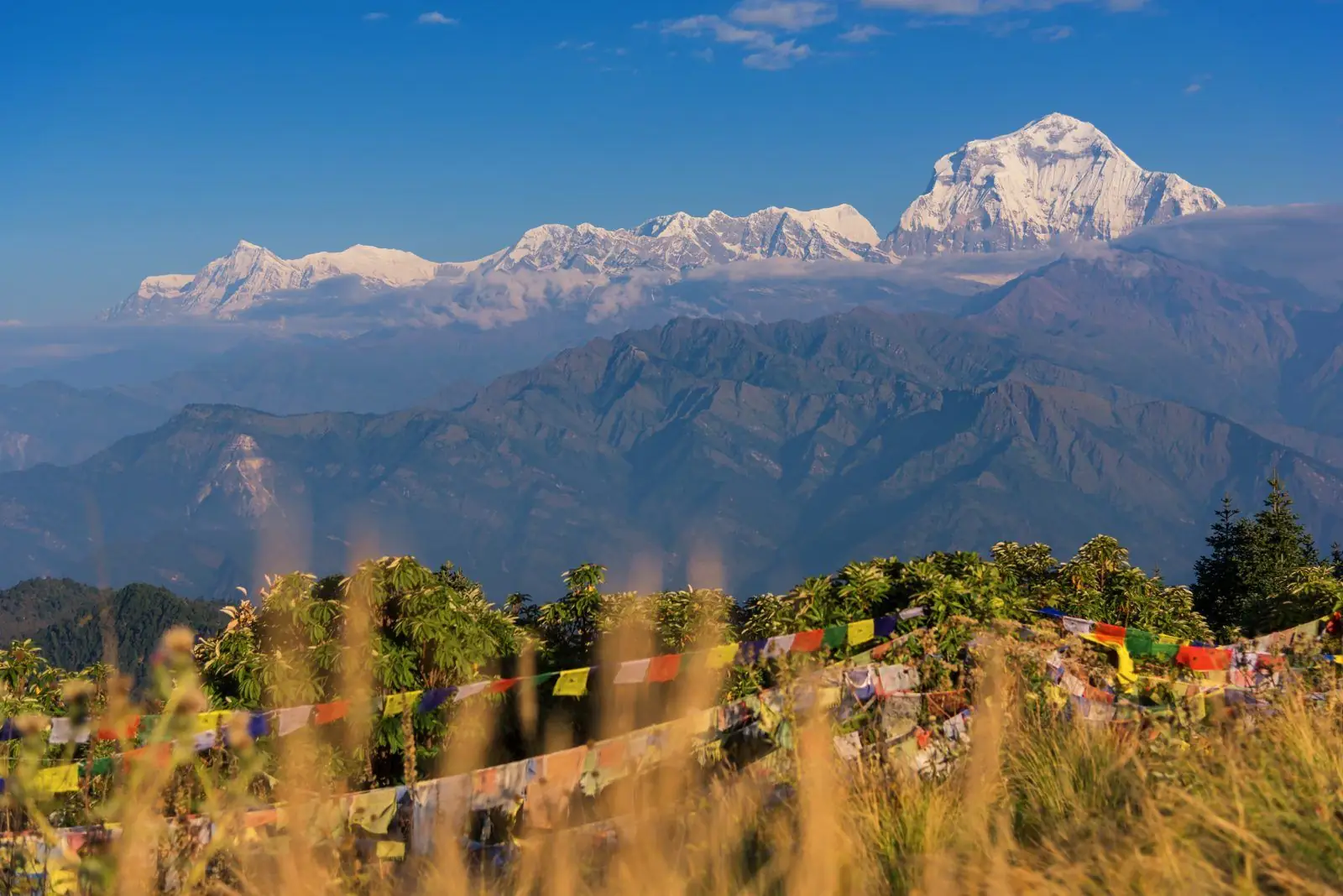
Altitude is the main challenge on the Dhaulagiri Circuit. The route climbs from low river valleys to French Pass at about 5,360 m, with Dhampus Pass close behind, so the high nights and passes come in quick succession. Pace yourself, drink plenty, take rest days seriously and descend if symptoms worsen. This is general information, not medical advice, so speak to a doctor before you go.
How the circuit gains height
The trek begins in warm, low valleys and climbs steadily through forest, then up a glacier-fed river toward the Italian Base Camp area and the high basins. After that come French Pass, Hidden Valley and Dhampus Pass, then a long descent toward the Kali Gandaki. The gain is large, and the high section is concentrated rather than gradual. Walking times vary with pace and trail conditions, so a fixed schedule is only a guide; your guide may change the plan to protect your health. Ask your guide each evening how tomorrow's climb compares with today's.
Where the highest nights are
The most demanding stretch is the stay near Hidden Valley, close to 5,000 m, after crossing French Pass at about 5,360 m. Nights at the base camp areas sit lower but are still high enough to cause trouble if you arrived too quickly. Sleeping is often poor at these heights, which is normal. Check our itinerary guide for the day order, and ask us how many nights above 4,000 m your plan contains, so you can judge it against your own experience. A headache on waking is worth reporting rather than ignoring.
Rest day logic
Rest days are placed where adaptation matters most, usually before the highest camps and the first pass. Use them for short walks up and sleeping lower, not for hard hiking. The rule many guides use is to climb high and sleep low when possible. Do not shorten rest days to save time, and do not count on fitness alone, because strong people are affected as often as others. We can add a spare day to any plan, and it often decides whether the passes are enjoyable. Eat and drink well on these days, even if appetite is small.
Symptoms and when to descend
Early signs of altitude illness include headache, nausea, dizziness, poor appetite, unusual tiredness and bad sleep. Tell your guide straight away, rest and do not climb higher while you feel unwell. If symptoms worsen, or you notice confusion, loss of balance, breathlessness at rest, a wet cough or severe headache, go down at once. Descent is the first and best treatment. Never leave someone with worsening symptoms alone, and do not push on for a schedule, a photo or a pass. Your guide has the final say on whether you continue.
Descent options and evacuation
This is a remote circuit, and the quickest way down depends on where you are. From the high camps, descent means retracing steps toward the base camp area, which is slow, while helicopter evacuation relies on weather and a working communication link and is not guaranteed. Travel insurance must cover trekking at this height and rescue flights. Your guide carries the emergency plan; rules and services change, so confirm the details with us before you travel and read your policy carefully. Keep your policy number and emergency contacts with your guide.
Common questions
How high is French Pass?
French Pass is about 5,360 m. It is the main high point of the circuit, and a day spent near it can be cold and windy. Plan your acclimatisation for it.
Can beginners attempt the Dhaulagiri Circuit?
It is a hard trek with high passes and camping, so previous high-altitude experience is strongly advised. If you are new to altitude, ask us about easier treks first.
What if the weather closes the pass?
A buffer day is built into good plans, and your guide decides whether to wait, cross later or turn back. Safety comes first, so allow spare days at the end of your trip.
Do I need a doctor's check before going?
It is wise to talk to your doctor, especially with heart, lung or other medical conditions. This is general information, not medical advice, and your own situation matters most.


