




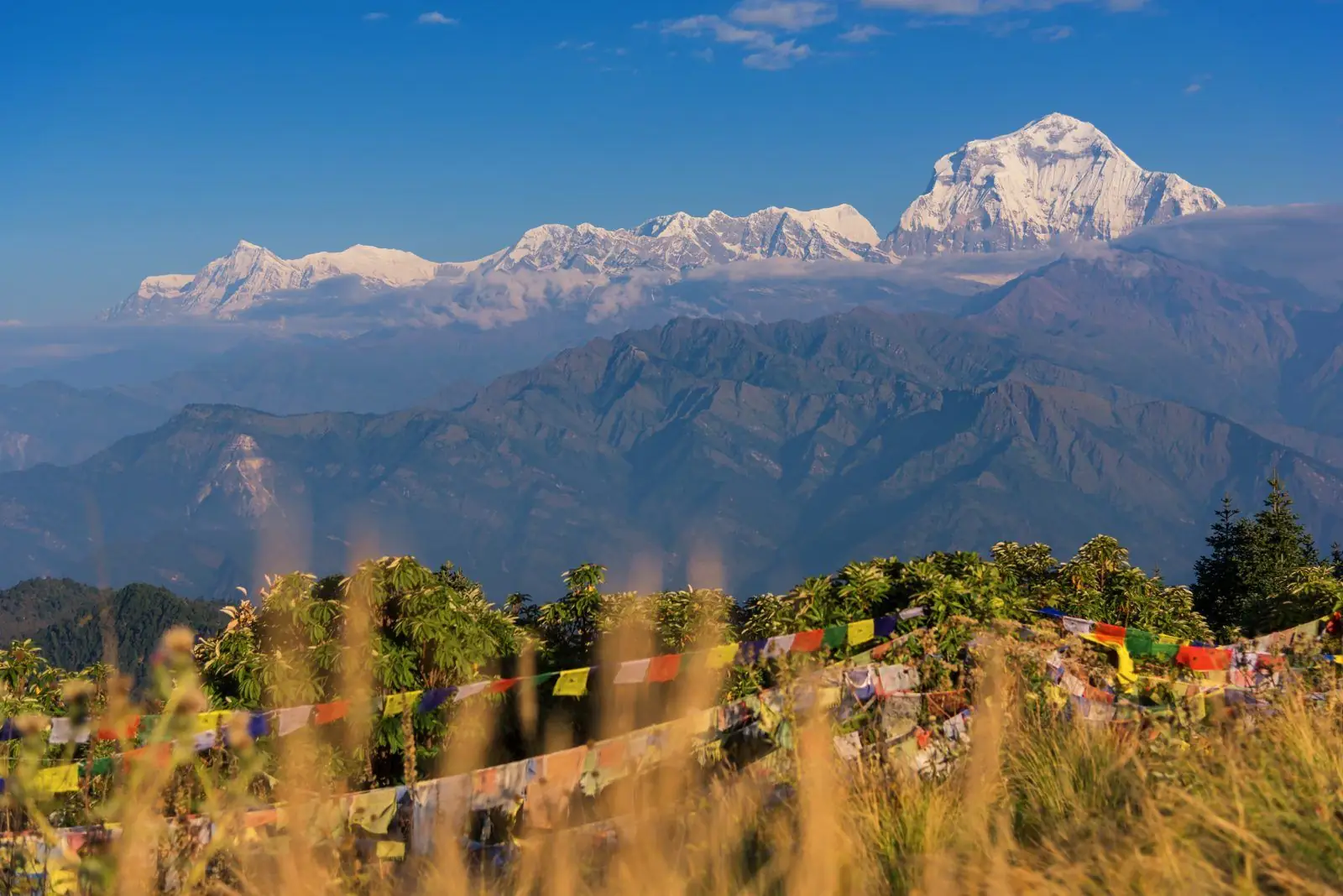
Dhaulagiri I was first climbed on 13 May 1960 by a Swiss, Austrian and Nepali expedition led by Max Eiselin. Six climbers reached the top: Kurt Diemberger, Peter Diener, Ernst Forrer, Albin Schelbert, Nyima Dorje Sherpa and Nawang Dorje Sherpa. The team also used a small aircraft to carry loads to the glacier.
Early attempts
Several expeditions tried the mountain in the 1950s before the 1960 success, and the Swiss team chose the north-east ridge as the line with the best chance.
The 1960 team
The 1960 expedition was led by Max Eiselin. The six climbers who stood on top were Swiss, Austrian and Nepali. Nyima Dorje and Nawang Dorje, both Sherpas, were full members of the summit party.
The aircraft
The team supported the climb with an early Pilatus fixed-wing aircraft. It landed on the glacier at a record height for a fixed-wing plane. It later crashed on take-off and was abandoned.
The route
The 1960 climbers went up the north-east ridge, which became the easiest route and the one used for most later ascents.
The legacy
Dhaulagiri was the seventh 8,000 m peak climbed. Its first ascent was a high point of early Swiss mountaineering in the Himalaya, and the story of the aircraft is still remembered by climbing historians.
Plan it
Read routes, difficulty and avalanches or Dhaulagiri I facts. For a trek, see the Dhaulagiri Circuit guides.


