




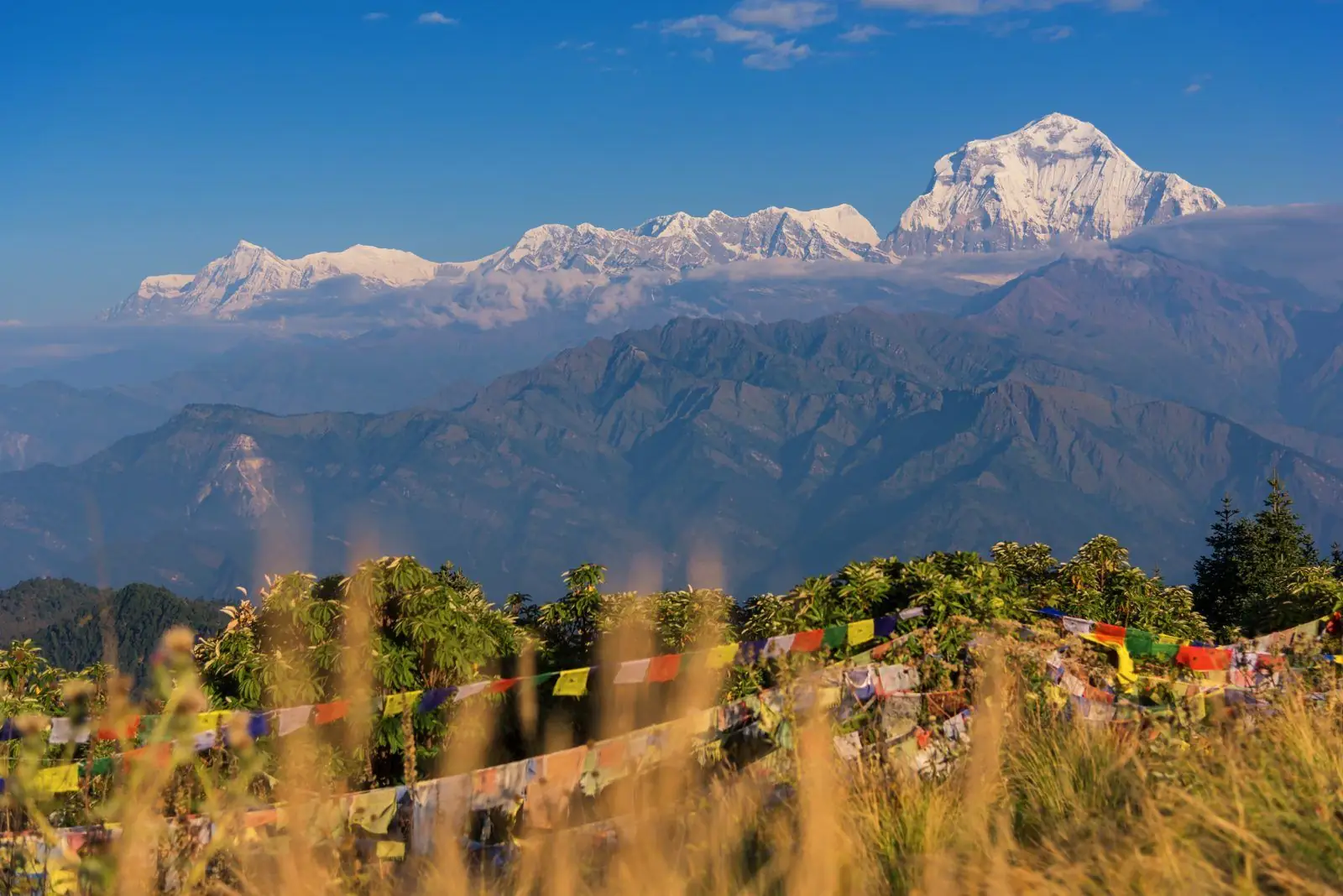
Dhaulagiri is a hard 8,000 m climb with serious avalanche risk. The north-east ridge is the easiest and most used route, while the south face is considered one of the great unsolved problems of alpinism. The first winter ascent was made on 21 January 1985.
The north-east ridge
The route first climbed in 1960 follows the north-east ridge and is used for most ascents today. It is still a demanding climb, with long glacier approaches, a high camp on a col, and a long final push.
The south face and north-west ridge
The south face is steep, and is often described as one of the great challenges left in alpinism.
Winter
Jerzy Kukuczka and Andrzej Czok made the first winter ascent on 21 January 1985.
Avalanches
Several avalanches have caused deaths. In 1969 an American expedition on the south-east ridge was hit by an avalanche that killed seven members, including the leader Boyd Everett. Other avalanches killed climbers in 1975, 1998 and 1999.
How risky is it?
A count published as of 2007 listed 358 successful ascents and 58 deaths, a rate of about 16 per cent of summiters. These numbers are old and the way expeditions work has changed, but they show the mountain's reputation.
Who should climb it
Dhaulagiri is for experienced high-altitude climbers who have already done other 8,000 m peaks. For most people the right way to meet the mountain is by trekking, not climbing.
Plan it


