




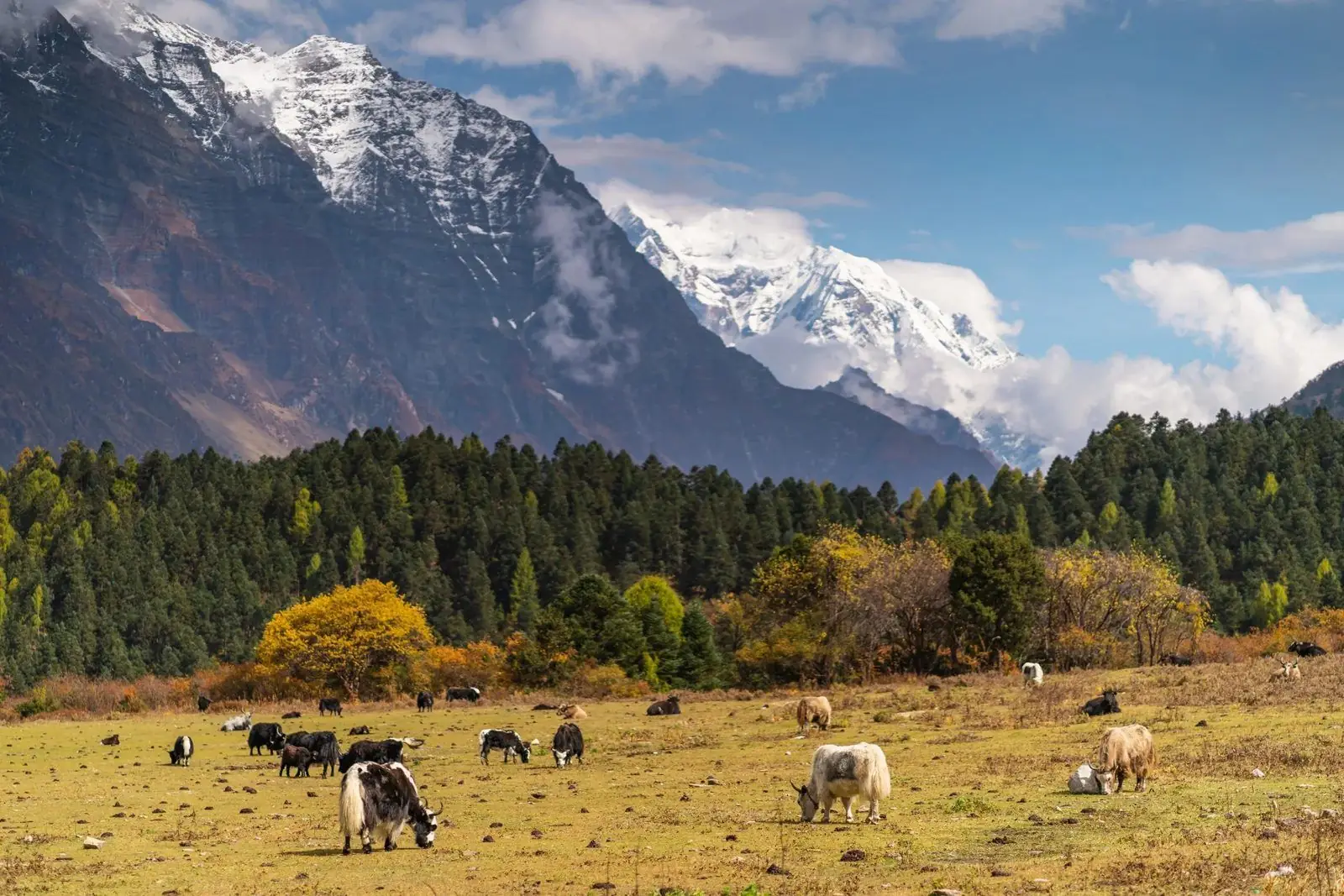
Dorje Lakpa is a remote climbing objective that needs alpine experience, a registered agency and a permit. The approach is long and the team must be self-sufficient. It is not a trekking peak and is not suited to beginners.
The approach
Access is by road from Kathmandu, then on foot through forest and high pasture. The approach takes several days, and conditions can be hard in the monsoon season.
The climbing
The route involves glacier travel and steep snow and ice. Weather can change quickly. Details on the best line vary with the season and the snow, so a leader with local knowledge is important.
Permits
Peaks outside the trekking list need permission. Ask your agency to confirm requirements, fees and liaison rules before you commit, because rules change.
Experience
Climbers should have previous experience on a high alpine peak. A common path is to start with a trekking peak, then step up.
Safety and rescue
Remote peaks are far from help. Carry insurance that covers climbing at altitude and helicopter rescue, and agree a communication plan. See permits and fees in the Langtang area.
A lower-risk alternative
If you want a high-altitude experience without a technical climb, consider Yala Peak or the Langtang valley.
Common questions
How many days? Plan for about three weeks. Do I need a guide? Yes. Is it crowded? No, it is a quiet objective, which also means less help nearby.
Gear
Technical climbing gear is needed, along with camp equipment, food and fuel. Your agency will provide a gear list and arrange porters.
Environmental care
Camp only in agreed spots, carry out waste and keep clear of water sources.
Plan it
Read what Dorje Lakpa is and the best season.


