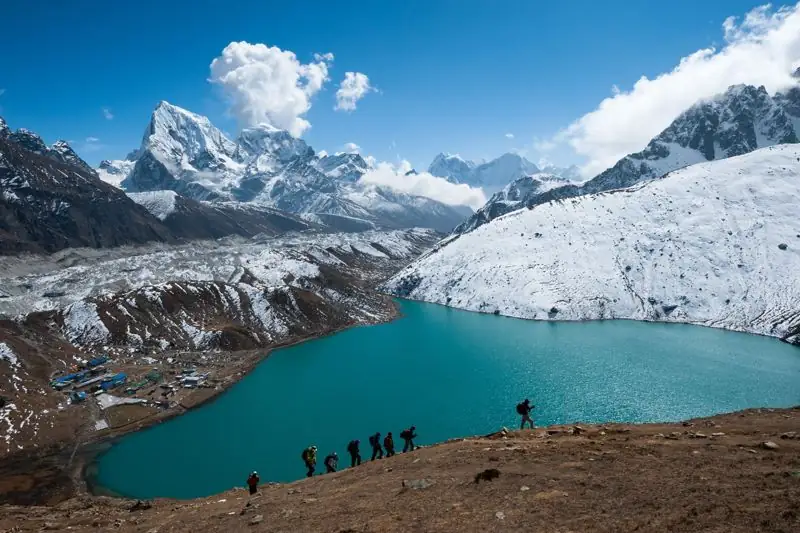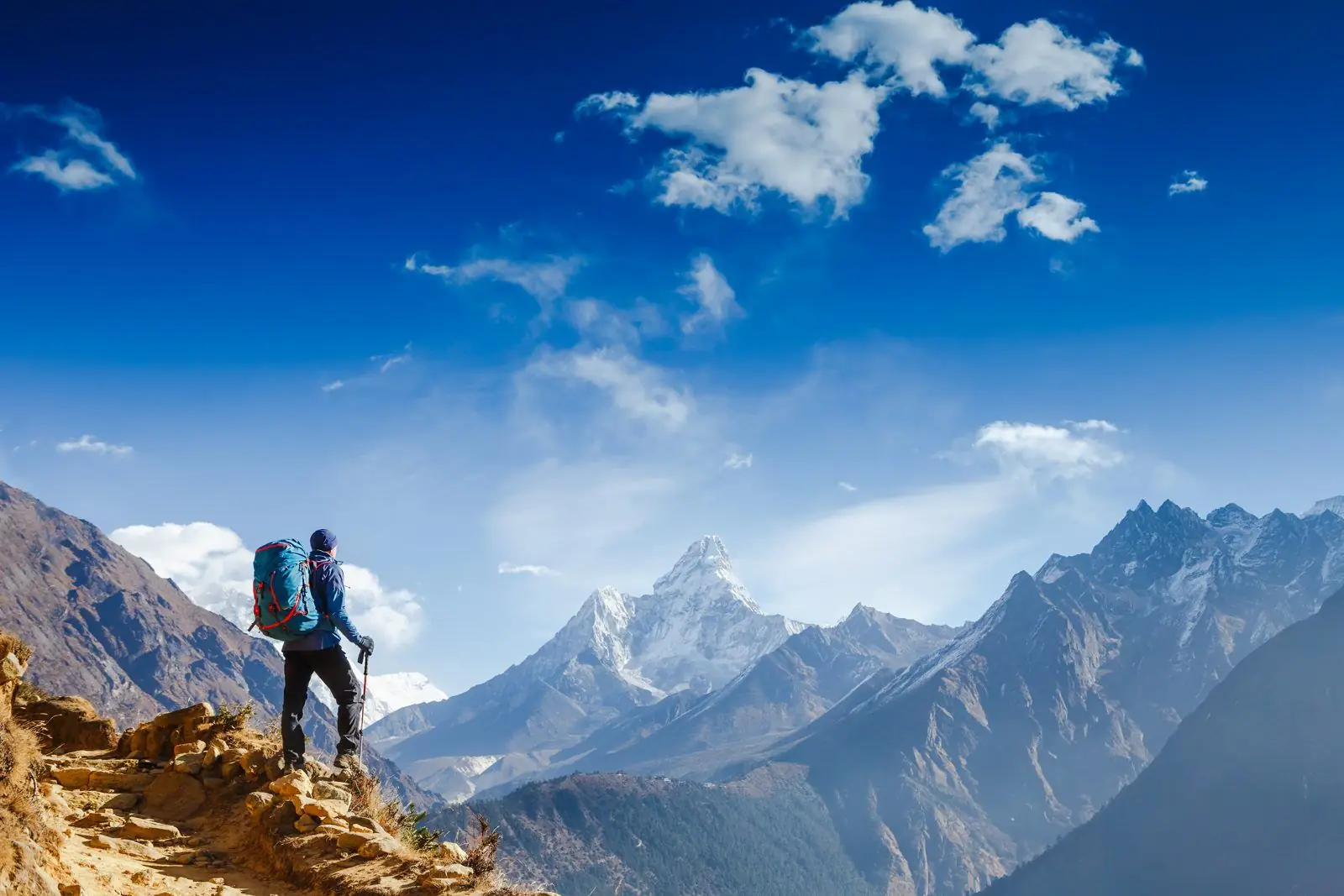
Travel insurance is a sensible requirement for the Everest trek, not an optional extra. Medical care in the mountains is limited, and the standard response to serious altitude illness or injury is evacuation by helicopter, which is costly. A suitable policy protects you from large unexpected bills.
What the policy should cover
- Trekking up to the maximum altitude you plan to reach, which is about 5,545 m at Kala Patthar.
- Emergency helicopter evacuation and medical transport.
- Medical treatment and hospital costs in Nepal.
- Trip cancellation, delay and lost baggage.
- Repatriation to your home country if needed.
Common exclusions
Some policies stop covering altitudes above 3,000 or 4,000 m unless you pay extra. Others exclude evacuation unless it is medically necessary, which can matter if a flight is cancelled and you want to charter a helicopter. Pre-existing conditions are often excluded or need to be declared. Read the wording, not just the summary.
How evacuation works
If someone is seriously unwell, the guide or lodge owner contacts an operator, the insurer's assistance team or a rescue service, usually by phone, radio or satellite device. A helicopter flies when weather allows, and the patient is taken to a hospital in Kathmandu or a clinic closer to the route. Weather can delay flights, so descending on foot or by mule with support is sometimes the first step.
Payment and paperwork
Insurers often want to be notified quickly and may need to approve the evacuation. Keep your policy number and emergency phone number with you and give a copy to your guide. Keep receipts for any payments in case you need to claim later.
Do not rely on an operator's promise
Even a reputable operator is not a substitute for insurance. Ask what the operator does in an emergency, and make sure you have your own cover for the costs.
Buying early
Buy your policy when you book the trek, not just before you leave, so that cancellation cover applies if something goes wrong in the weeks beforehand.
Reading the policy carefully
Insurance is only useful if it covers the activity and the altitude you are planning. Many standard policies exclude trekking above a certain height, or only cover it with an additional adventure option. Read the schedule for the maximum altitude, the requirement for a guide, and whether helicopter evacuation and repatriation are included. If a phone number for 24-hour assistance is given, save it in your phone and write it on paper.
Cash flow during an emergency
Some insurers pay hospitals and helicopter companies directly, while others expect you to pay first and reclaim the cost. In the second case, you may need to arrange funds quickly, so find out how your operator handles this and whether they can guarantee payment against your policy. Keep your policy number, the insurer's contact details and a copy of your passport accessible to the guide.
For travellers from India
Indian travel insurance products vary in how they treat adventure activities and altitude, so ask the insurer in writing whether trekking to the altitude of Everest Base Camp is covered. Check the sub-limits for medical expenses, evacuation and repatriation, and whether the policy covers a stay in Nepal. A document from the insurer confirming the cover can be shared with the operator before departure.
Final practical tips
- Share a copy of your insurance with your operator before you arrive.
- Photograph your policy and keep the photo in your phone.
- Do not assume that a credit card benefit includes high-altitude trekking.
- Tell your guide about any pre-existing condition that the insurer knows about.
What our guests say
Excerpts from guest reviews of Himalayan Wonders, our parent company, on Tripadvisor.
“I had an incredible experience with Himalayan Wonders on my Everest Base Camp trek.”