




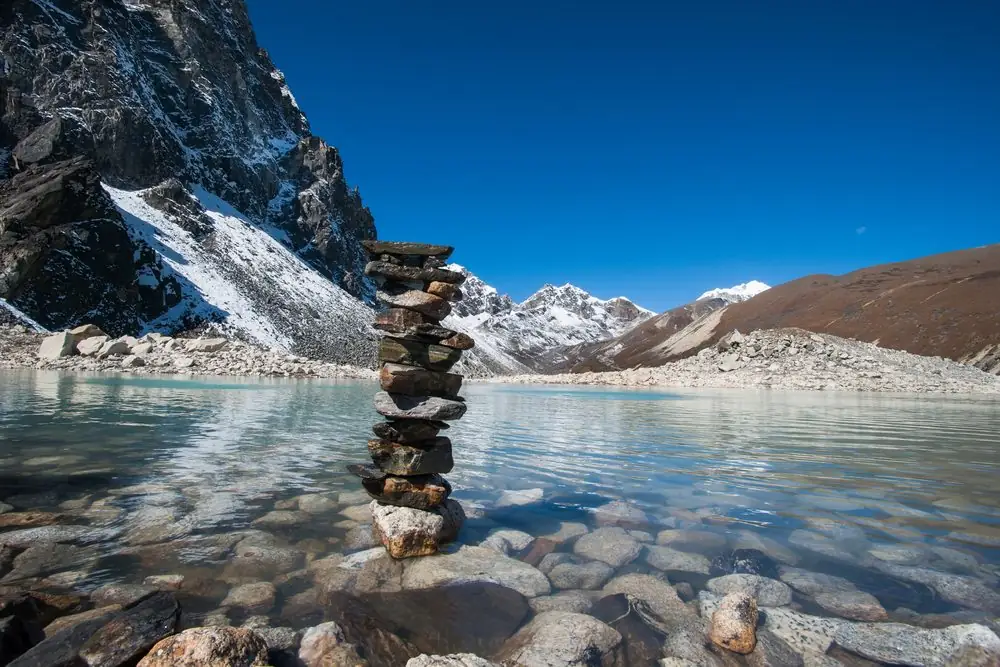
The walking is moderate, but the altitude makes Gosaikunda harder than its length suggests. The route climbs from about 1,950 m to about 4,380 m in three days, which is faster than usual guidance, so a slow pace and an extra night are wise.
Short on distance, serious on altitude
People often underestimate Gosaikunda because the trek is short. It is a modest walk of five to six hours on most days, with no technical sections, but the height gain is unusually quick. You go from about 1,960 m at Dhunche to about 3,330 m at Sing Gompa on the second day, then to 4,380 m the day after. That is faster than the usual guidance for high treks, and it is why altitude sickness cases here are common, including among fit people.
What the numbers mean in practice
Medical guidance for high altitude says that once you are above about 3,000 m you should add no more than roughly 300 to 500 m of sleeping height per night. Gosaikunda breaks that on the third day. You can cope with it by sleeping lower at Laurebina or adding an extra night at Sing Gompa, and by walking more slowly than feels necessary. The extra day costs little and is the single most useful safety measure on this route.
The walking itself
The trail is steep on the second day and rocky above the tree line, but there is no scrambling and no glacier travel. The pass to Helambu is the only demanding section: a long day, up to about 4,610 m, often on snow or ice outside summer, and with cold winds. If you are only going to the lake and back, the difficulty is largely the altitude and the cold.
Warning signs
Headache, nausea, dizziness and a sleepless night are the common early symptoms. Treat them seriously: rest, drink water, and do not go higher. If symptoms get worse, or you develop confusion, a wet cough or poor balance, go down immediately. Do not rely on medication to mask symptoms and keep climbing.
Fitness and training
If you can walk uphill for five or six hours with a day pack, you can manage the route. A few weeks of stair climbing, hill walks and some strength work make the first two days far more pleasant. People who arrive stiff from a long flight and begin the climb on the day after often feel worse than they should.
Safety setup
Go with a guide who knows the altitude symptoms, carry a warm sleeping bag if the lodge blankets are thin, and check that your insurance covers evacuation above 4,000 m. See permits and access for the paperwork side.


