Island Peak is normally climbed as an extension of the Everest Base Camp route, so the first half of the schedule resembles a trek. The total is typically around sixteen to twenty days from Kathmandu, including a flight to and from Lukla.
A typical outline
- Arrival and preparation in Kathmandu, with permit and gear checks.
- Flight to Lukla and walk to Phakding.
- Namche Bazaar with an acclimatisation day.
- Tengboche, Dingboche and a second acclimatisation day.
- Chhukhung for a rest or practice day below the peak.
- Island Peak base camp, with a skills session on snow and ice.
- High camp or an early start from base camp, depending on the plan.
- Summit day, then return to base camp or Chhukhung.
- Spare day for weather.
- Return trek to Lukla and flight to Kathmandu.
Why so many days
The slow rise lets your body adapt to altitude, which is the best protection against illness and the best way to improve your chance of summit success. Compressing the schedule cuts into the safety margin.
Spare days
Weather in the Khumbu can delay flights and the summit attempt. Allow at least one spare day on the mountain and another for flights.
Add-ons
Some climbers combine Island Peak with Everest Base Camp or the Three Passes route. This lengthens the trip but improves acclimatisation.
We can adjust the programme to your time.
What each stage is for
The first days from Lukla through Phakding and Namche Bazaar are about settling in, letting your legs and lungs adjust and getting used to lodge life. The rest days at Namche and Dingboche are not luxuries; they are where much of your acclimatisation happens, and short hikes to higher viewpoints followed by sleeping lower help your body adapt before it faces the real altitude of Chhukung and base camp.
Chhukung, the gateway
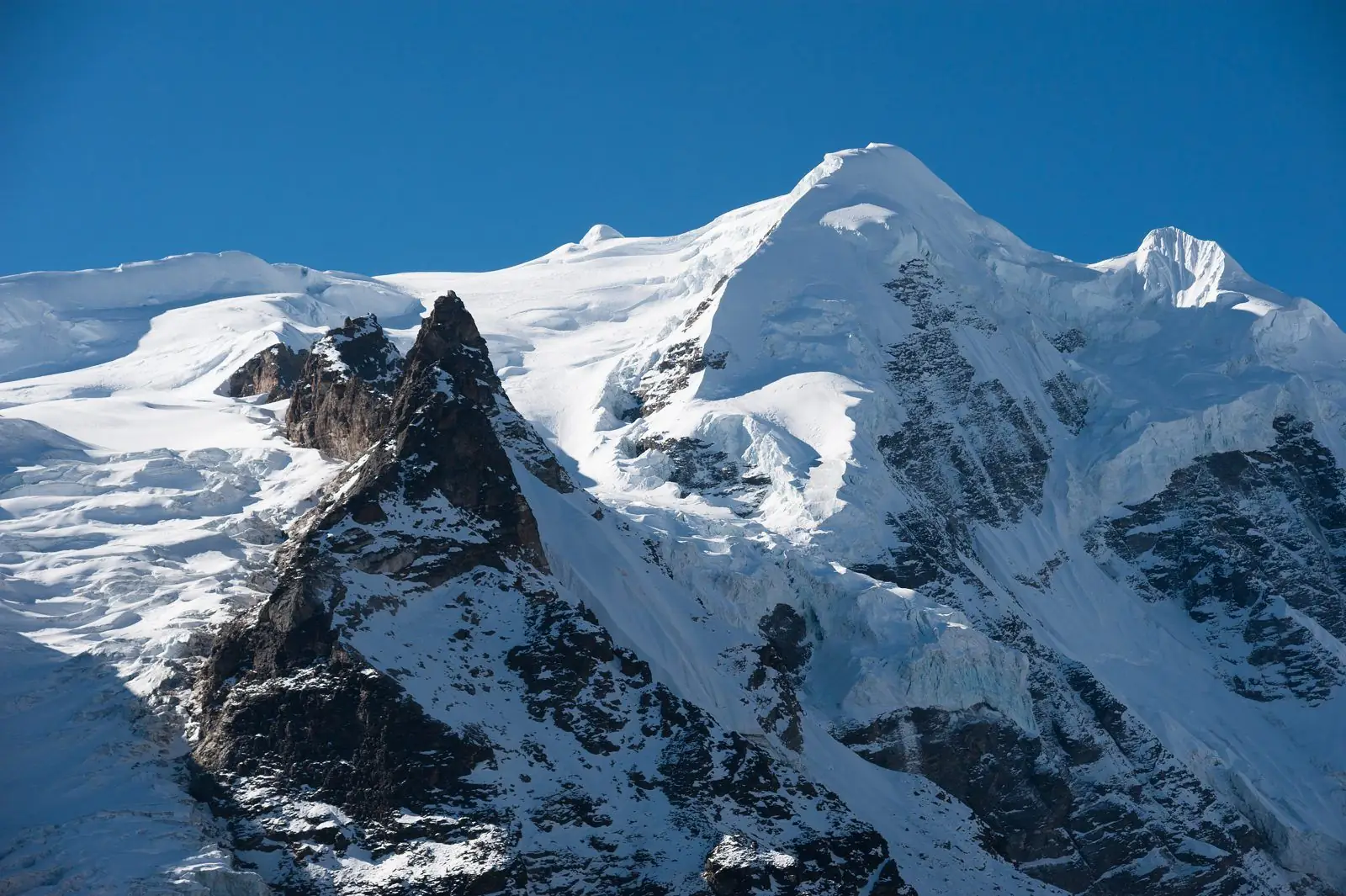
Chhukung is the last real village before the climb and a natural place for gear checks and skills practice. Many groups walk up to a viewpoint above the village on a rest day, which also gives a first honest look at Island Peak and the surrounding Lhotse, Nuptse and Ama Dablam skyline. Take advantage of the proper meals and charging points here, because facilities become simpler afterward.
Moving to base camp and summit day
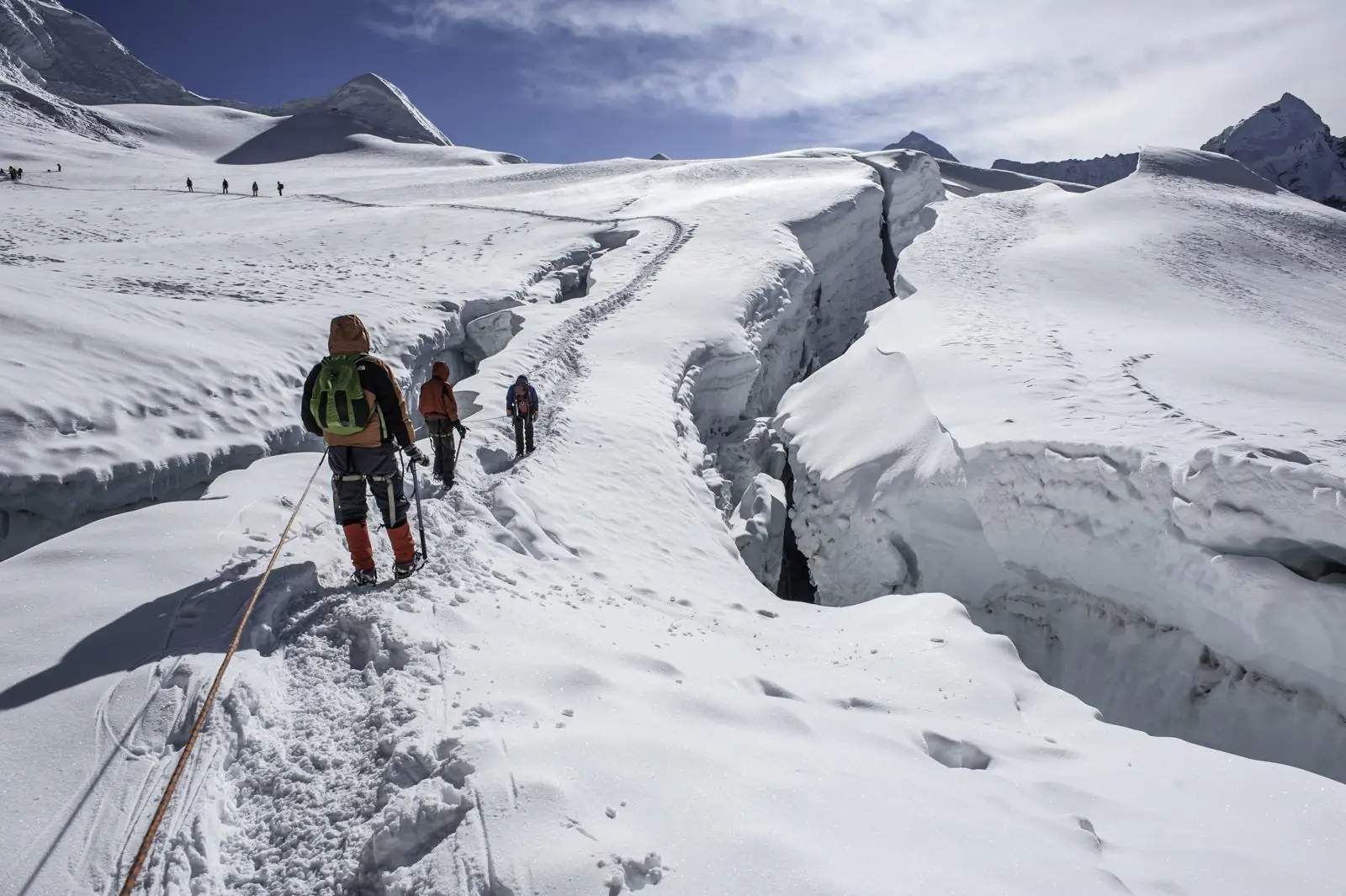
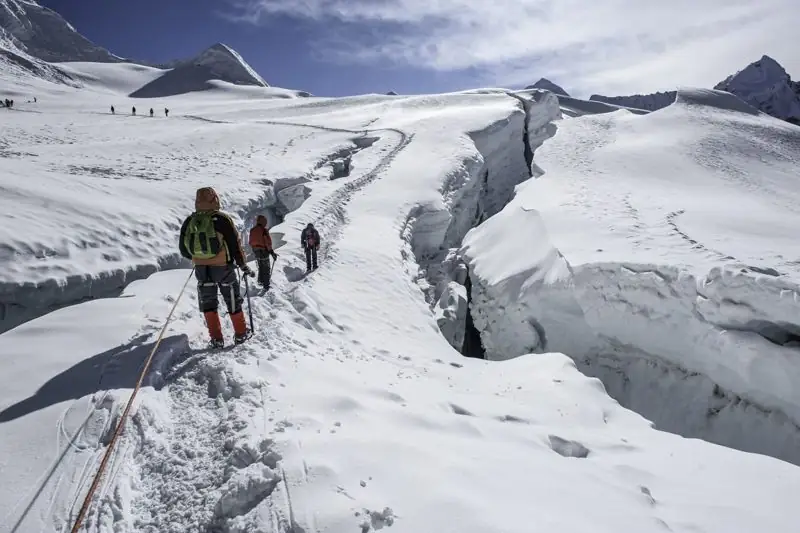
From Chhukung you walk to base camp on an ordinary trail through moraine and rocky ground. The climbing guide normally runs a short training session, checks harnesses, crampons and helmets and explains the rope routine. Summit day follows after a rest and early dinner, with the climb typically starting in the middle of the night so you reach the top in morning light and descend before the afternoon wind and soft snow.
The trek out
After the summit you usually descend to base camp, collect your belongings and walk down to Chhukung, Dingboche and on towards Lukla. These return days are surprisingly pleasant: the air thickens, appetite returns and the pressure of the climb lifts. Keep a buffer day at the end for a delayed flight; mountain weather can disrupt Lukla flights for reasons unrelated to your performance.
A sample day-by-day outline
A typical 17 to 19 day plan starts with arrival and sightseeing in Kathmandu, a flight to Lukla, then nights at Phakding, Namche Bazaar (two nights), Tengboche or Deboche, Dingboche (two nights), Chhukung, Island Peak base camp (two nights, with summit on the second), then a return via Pangboche or Tengboche to Namche and Lukla. A final buffer day in Kathmandu completes the plan. Variations exist, but the principle is gradual height gain with rest days.
Why Chhukung matters
Chhukung sits at about 4,730 metres and is the last village with lodges before base camp. Good teams spend a night or two there, making a short hike to Chhukung Ri for a high viewpoint and a night back at lower elevation. This builds acclimatisation and gives the guide a chance to assess everybody's condition before committing to the climb.
What happens if you are behind schedule
If weather delays flights or someone is unwell, the guide has three options: use a spare day, shorten a rest stop or drop an optional hike. A well-designed schedule absorbs one or two delays without losing the summit attempt. If you have more than two delays, the climb may have to be abandoned, which is why the spare days in the plan are so valuable.
Combining with Everest Base Camp
Many climbers combine the peak with the Everest Base Camp trek, either before or after the climb. Doing the trek first builds fitness and acclimatisation, but it adds about five to six days. Doing the peak first and then the base camp adds fatigue. Operators usually suggest the trek-first approach.