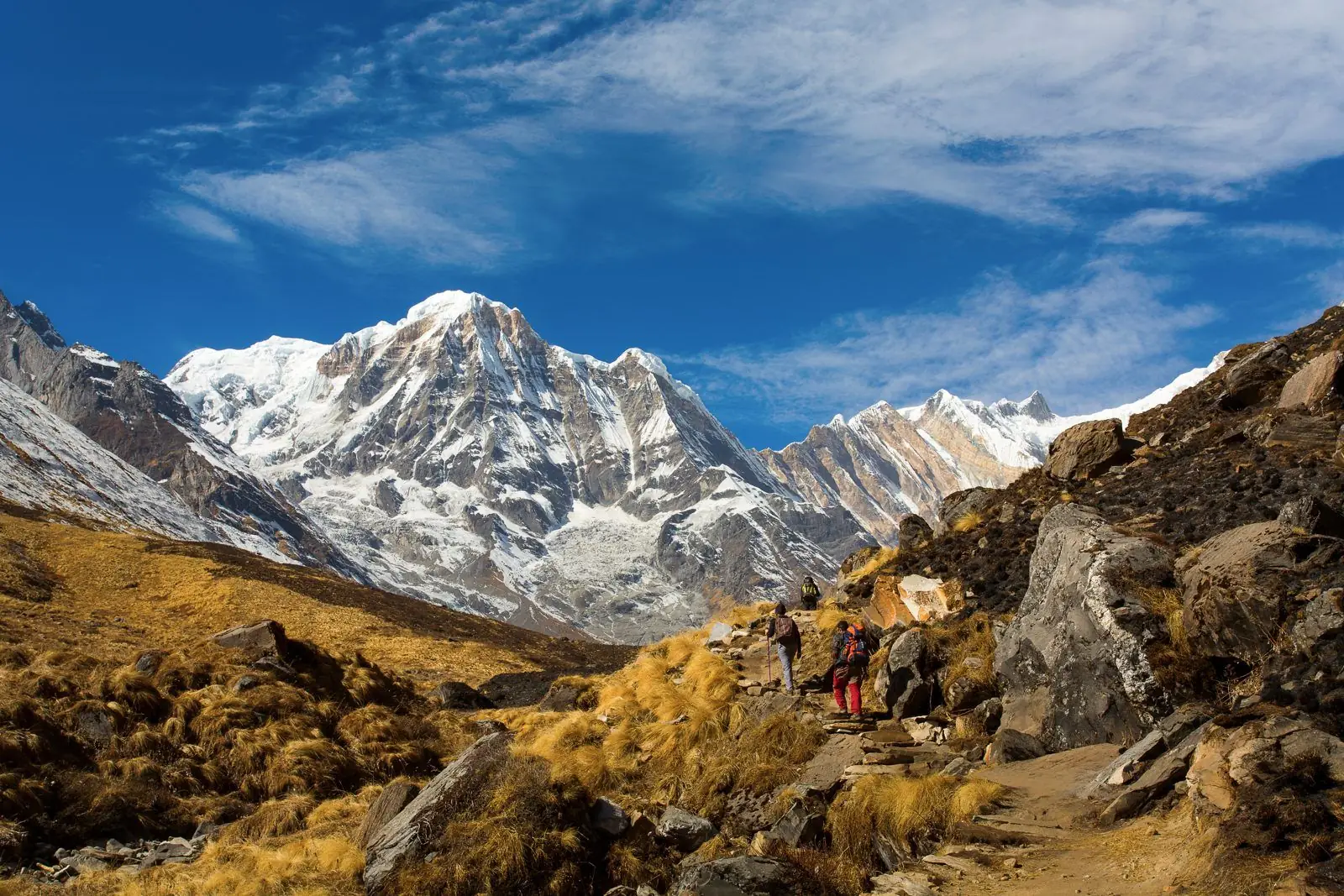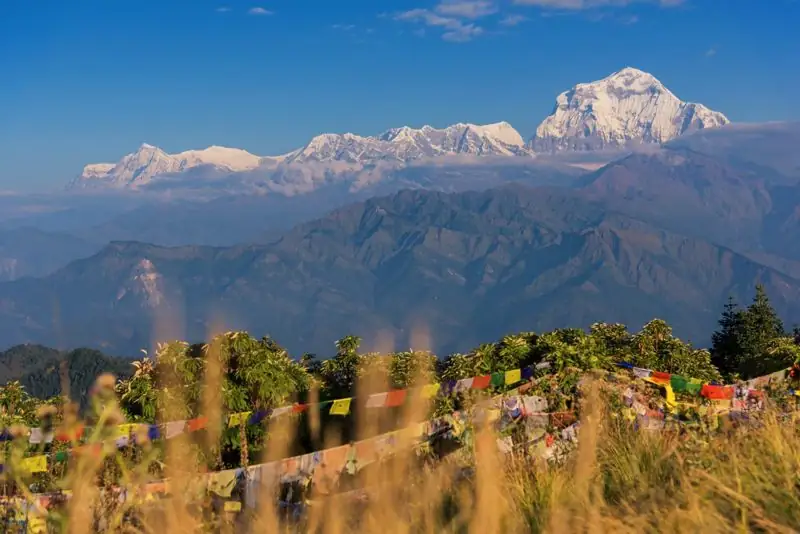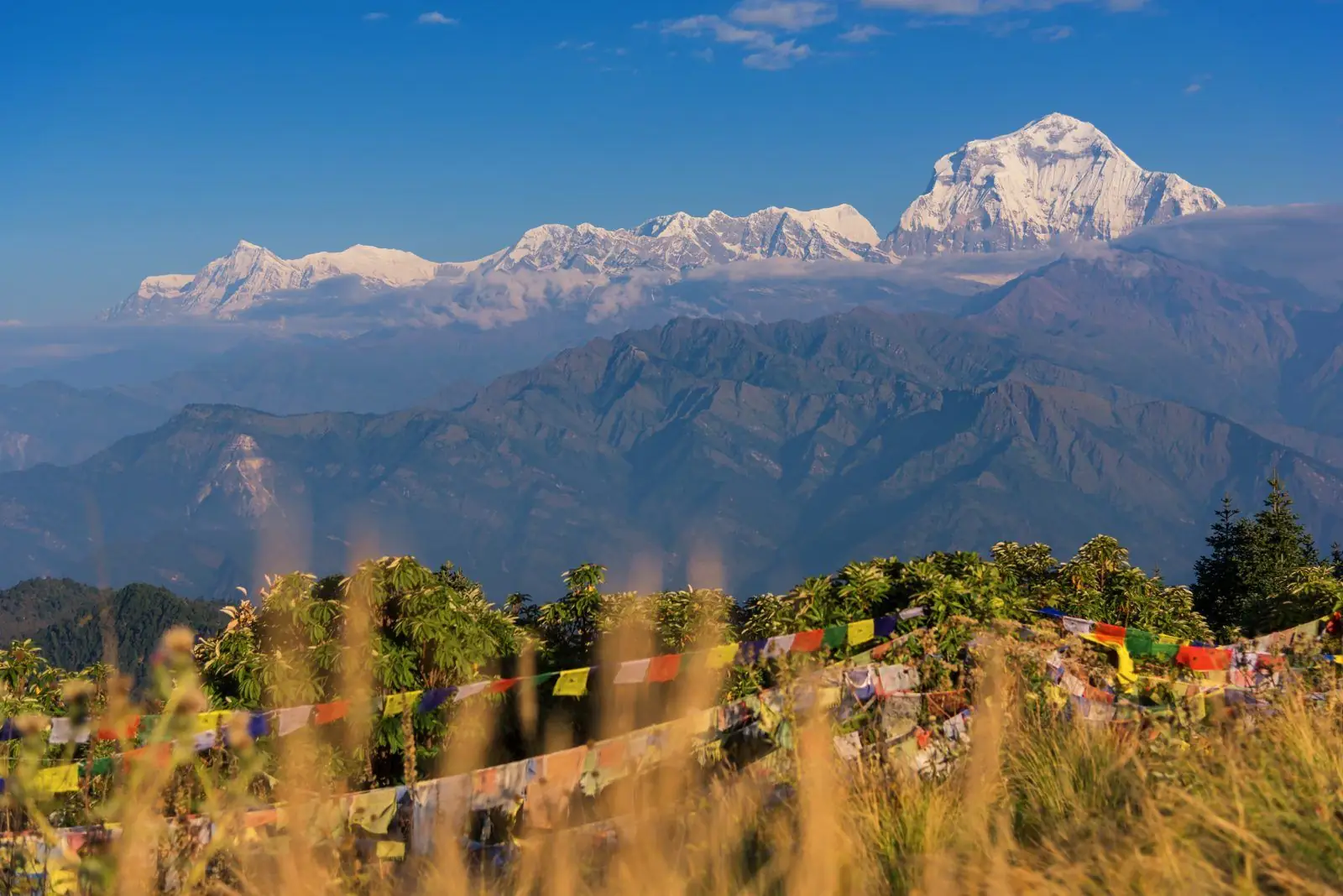
The short version: three of the most asked questions, answered in a line each. The rest of the page goes into detail.
- How high is the ridge and will I feel the altitude? Khopra Danda is about 3,660 m, over 3,000 m, so some trekkers feel mild effects such as poor sleep or a headache.
- Which stage is hardest and how do I pace it? The stage between Chistibung and the ridge is the hardest: long, steep, with few water points.
- How cold will the rooms and nights be? The ridge is windy and cold at night, and rooms are usually unheated.
How high is the ridge and will I feel the altitude?
Khopra Danda is about 3,660 m, over 3,000 m, so some trekkers feel mild effects such as poor sleep or a headache. An extra night helps. Tell your guide about symptoms, and descend if they worsen.
Which stage is hardest and how do I pace it?
The stage between Chistibung and the ridge is the hardest: long, steep, with few water points. Start early, carry lunch and keep a steady pace. Expect loose sections and few places for lunch. Drink steadily, rest briefly rather than often, and tell your guide early if the climb feels too much.
What should I do if cloud or fresh snow hides the trail?
Stay calm and follow your guide. Cloud and fresh snow can hide the trail, so your guide may suggest staying a night longer at a lodge or turning back by a lower route. A spare day makes this easier.
Is the water safe to drink on the ridge?
Treat or filter all water. Carry purification tablets or a filter, and ask your lodge about boiled water. Water points are few on the stage up from Chistibung, so fill bottles when you can. Cold water can feel safe, but streams on a grazed ridge are not, so do not skip treatment.
How cold will the rooms and nights be?
The ridge is windy and cold at night, and rooms are usually unheated. Bring a warm sleeping bag and an extra warm layer on top of what you would pack for Poon Hill. Wear a hat in bed if needed.
Is it safe to trek Khopra Ridge without a guide?
A guide is recommended, as trails are less used and signage is limited. The route has long climbs, loose sections and few lunch stops, and weather can change quickly on the ridge. If you go alone anyway, tell your lodge your plan, carry a map and allow extra time for wrong turns.
What if I need help with only patchy mobile signal?
Agree a plan with your operator before you leave, including how your guide will call for help. Signal is patchy at best, and lodges are simple. Carry insurance that covers evacuation and keep a charged power bank.