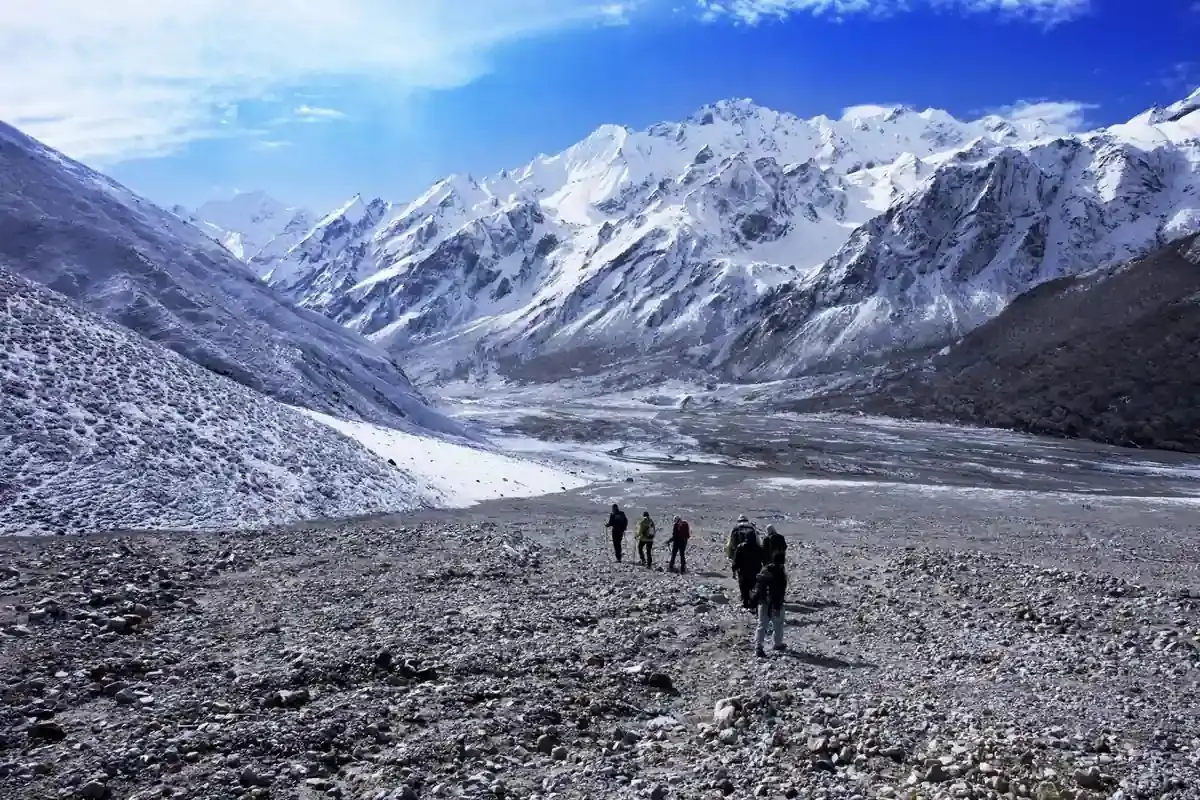
Langtang is not as high as the Everest or Manaslu routes, but its upper section is at a height where altitude illness can occur, especially if you travel quickly from Kathmandu.
Why it can happen
The road start is at a modest height, and the trail climbs quickly into the upper valley. Trekkers who are fit often move too fast, assuming that fitness protects them. It does not. How your body adapts matters more than how strong you are.
Prevention
- Follow a standard itinerary with modest daily gains.
- Take a rest or acclimatisation day at Kyanjin Gompa.
- Drink water regularly throughout the day.
- Avoid alcohol and heavy exertion on arrival days.
- Climb high, sleep lower when you can.
Early symptoms
Headache, poor sleep, nausea, loss of appetite, dizziness and unusual fatigue are common early signs. Mention them to your guide straight away rather than hoping they will pass.
Serious warning signs
Confusion, poor balance, a wet cough, breathlessness at rest and severe vomiting are signs of serious illness. They require immediate descent and medical attention.
Medicines
Preventive medication is a decision for you and your doctor before the trip. Never use medicine to push on past symptoms.
Evacuation and insurance
Rescue is possible but depends on weather and location. Choose a policy that covers trekking at altitude and evacuation, and keep policy details handy.
Descent
Going down is the most effective treatment for most cases, and the lower valley is only a day or two away.
How to build a safe first week
If possible, spend your first day in Kathmandu or Dhunche before starting the trek, and avoid long, strenuous days on arrival. Plan your ascent so that your sleeping altitude increases gradually, and include a rest day at or near Kyanjin Gompa. Monitor your symptoms and eat well.
Looking after one another
Because the trek is popular with first-time trekkers, many people are unfamiliar with altitude symptoms. Check on your friends and family each evening, and tell your guide if anyone looks pale, confused or very tired. Do not assume that a headache is just the effect of a long day.
Know your options
If symptoms appear, resting and descending are the most effective responses. The road end is a few days away, so early action is better than waiting. Check that your insurance covers evacuation, and keep the number of your operator with you.
A short list
- Drink enough fluids and eat regular meals.
- Do not climb higher with worsening symptoms.
- Avoid alcohol and sleeping pills.
A safe first week
The itinerary gains height gradually from about 1,550 m at Syabrubesi to about 3,870 m at Kyanjin Gompa in four days. Most healthy trekkers cope well, but the final day is a bigger gain. Walk slowly, sleep at the planned stops and consider a rest day at Kyanjin before climbing a viewpoint.
Looking after others
If a member of your group shows signs of altitude illness, such as headache, confusion or lack of coordination, do not leave them alone. Descend with them and inform your guide. Helping each other is part of trekking in the mountains.