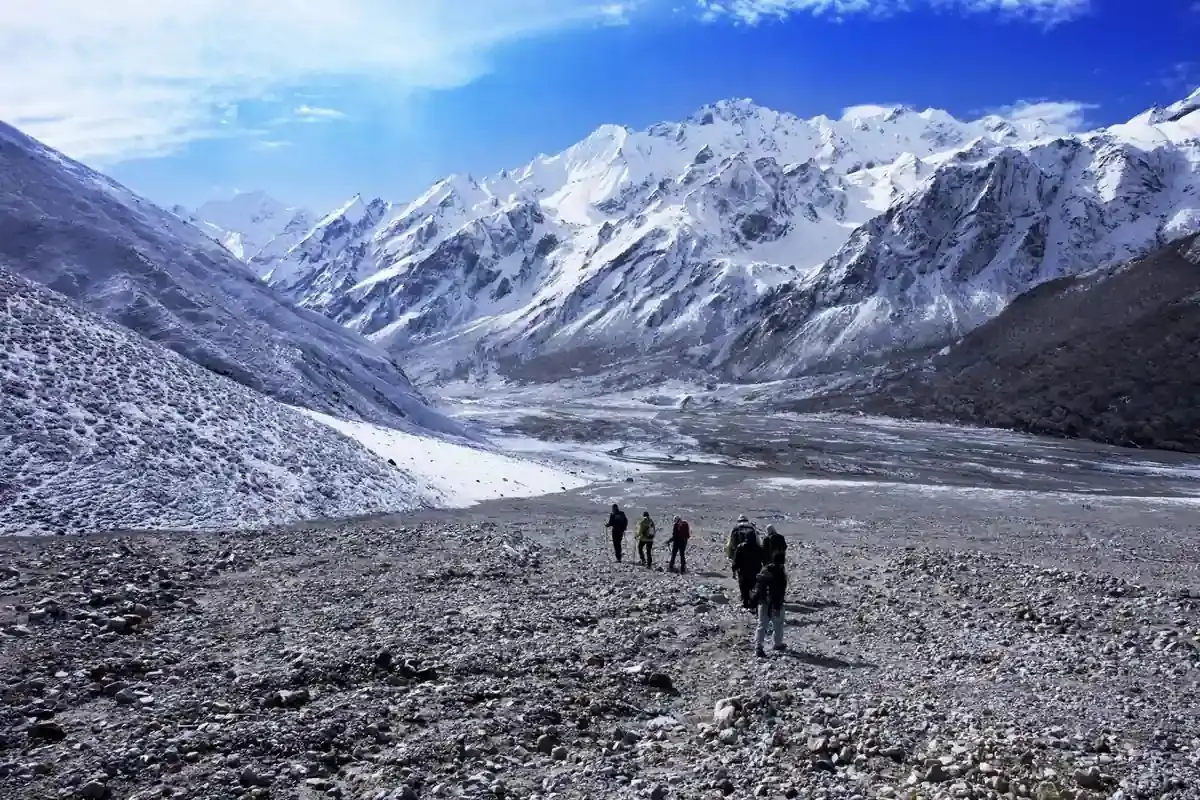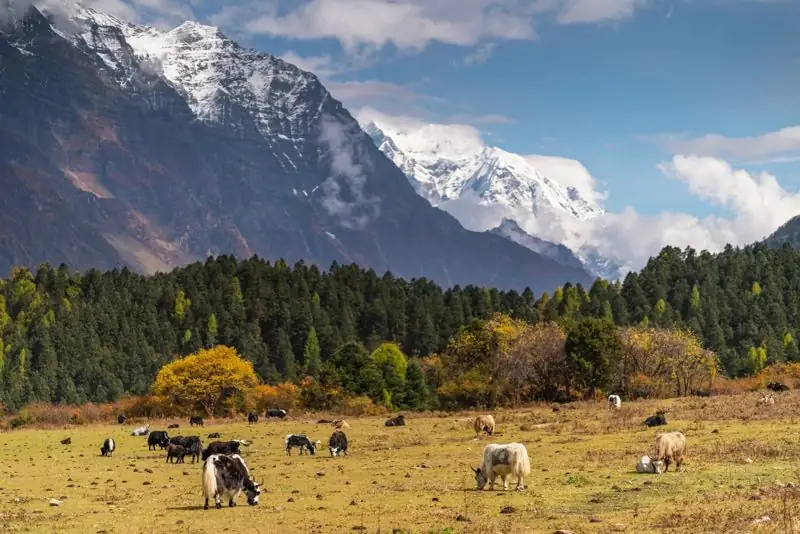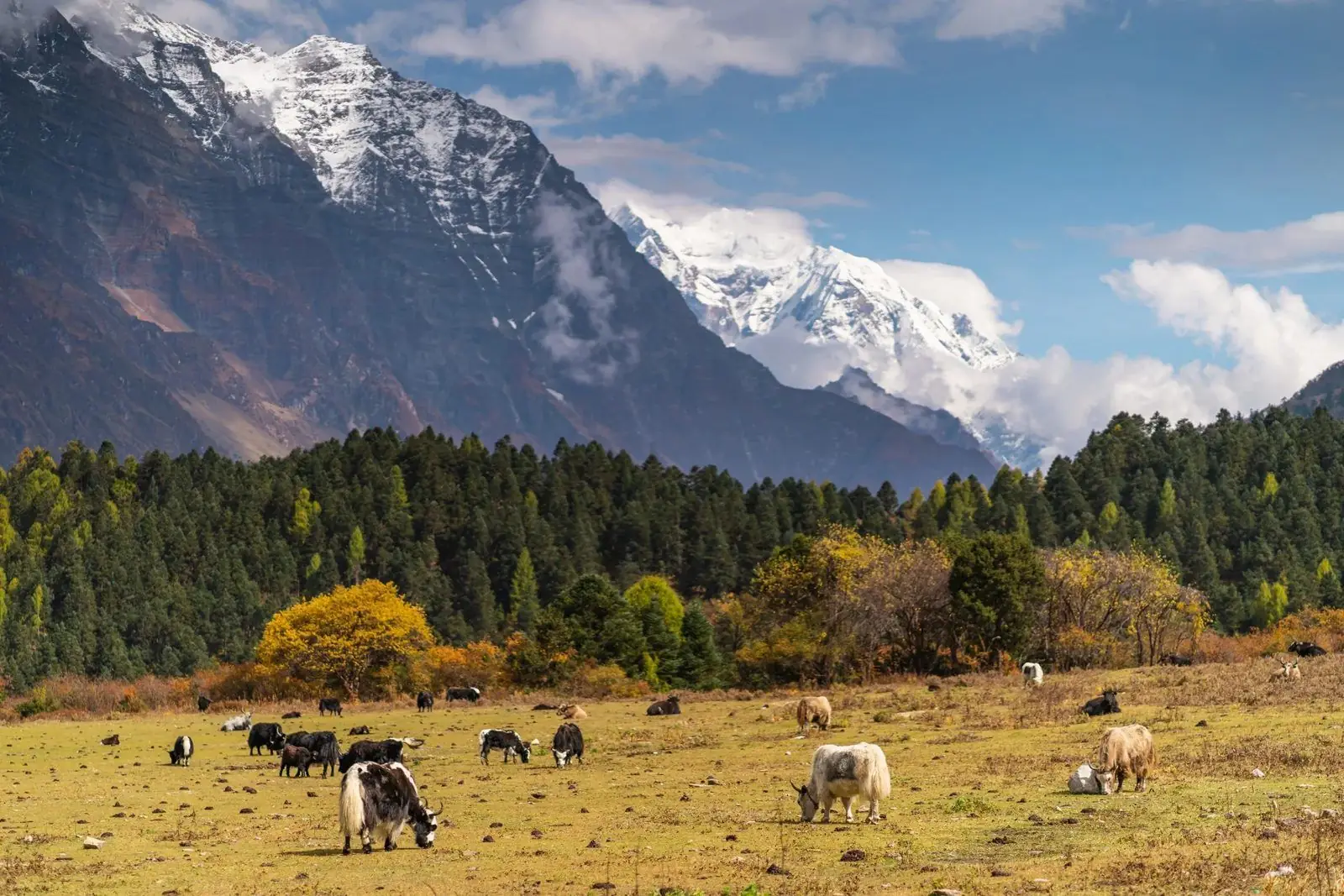
Most Langtang itineraries begin at Syabrubesi, a roadside village north of Kathmandu. The journey is by road, and this is one of the reasons that Langtang is such a convenient trek.
By private vehicle
A private jeep or hired car is the most comfortable and flexible way to travel. It allows you to leave early, stop for meals and take photographs. The journey normally takes most of a day, depending on traffic and road conditions.
By public bus
Buses run daily from Kathmandu and are a lower-cost choice. They are slower, often crowded and start early in the morning. Keep your valuables with you and be ready for a long, bumpy ride.
The road
The last section is steep and winding, with sharp bends and drops. Heavy rain can trigger landslides, and in the monsoon the drive may be delayed. Check conditions before departing and allow flexibility.
Where you start walking
The trail begins close to Syabrubesi, near the river. Some groups continue by vehicle further up the valley to save time, but we usually start from the early section to improve acclimatisation. Ask about the current state of the road beyond the first village.
Return
The return journey follows the same road. Build in a spare day, and avoid an international flight on the same day you finish the trek.
Tips
- Bring snacks, water and motion-sickness tablets.
- Keep passports and permit copies in your daypack.
- Leave extra luggage at your Kathmandu hotel.
Setting out from Kathmandu
Leave early to make the most of the day, and expect some slow traffic on the way out of the city. The road climbs through hills, passing small towns and tea shops, and runs alongside the Trishuli river for part of the journey. Seats on public buses can be crowded, so private vehicles offer more comfort. Carry water, snacks and a warm layer, since the temperature drops as you gain height.
Road safety and conditions
Parts of the road are narrow and prone to landslides, especially during and after the monsoon. Choose a reliable driver and avoid travelling at night. If the road is blocked, your operator will advise on delays or alternatives. Keep some time in the schedule for this possibility.
Staying overnight
Some groups spend a night in Dhunche or Syabrubesi to break the journey, which also gives a little extra acclimatisation. If you arrive late, rest, eat well and prepare your gear for the next morning. Check that your permits and passports are with you.
Handy tips
- Take motion sickness medication if you tend to feel sick on winding roads.
- Keep your daypack with essentials on your lap.
- Carry cash for tea stops and tips.
Scenery on the drive
The road passes terraced hills, river gorges and small towns before climbing toward the Langtang foothills. Parts of the drive follow narrow, winding roads that can be affected by landslides in the monsoon. Start early to avoid traffic around Kathmandu and arrive at Syabrubesi before dark.
Booking your seat
If you travel by public bus, buy tickets a day ahead, arrive early and keep valuables on you. If you use a private jeep, agree the price and the departure time with your operator. Sit in the front if you are prone to car sickness and carry some snacks and water.