




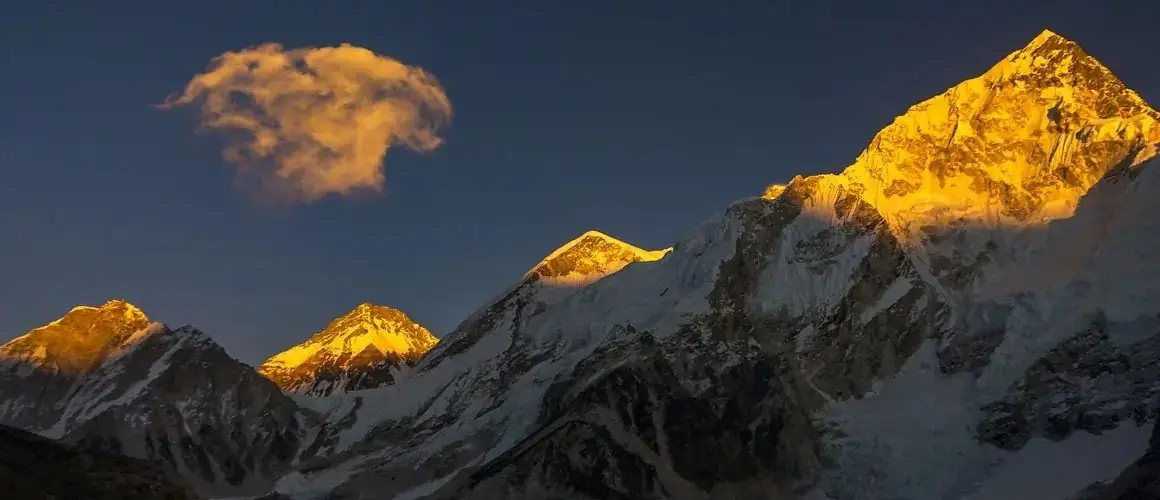
Lhotse is an 8,000 m expedition peak. It is normally climbed in spring from Everest Base Camp via the Khumbu Icefall and Lhotse Face, with a government permit and a royalty fee that is set and revised by Nepal.
What an expedition involves
Climbing Lhotse is a major mountaineering undertaking, not a trek. Teams spend about two months in the Khumbu, usually from late March or early April to late May. They acclimatise on lower peaks, move up through the icefall and camps, and wait for a weather window to make a single summit push. Support typically includes Sherpa guides, fixed ropes, camp staff, a doctor at base camp and supplemental oxygen.
Climbing season
Spring is the main season because winds ease and temperatures are bearable before the monsoon. Autumn expeditions are rare because of colder weather, stronger winds and a shorter window.
Permit system
Expedition permits are issued by Nepal's Ministry of Tourism through registered agencies. A royalty fee is charged for each climber, and rules also require a liaison officer in some cases, plus environmental deposits. Fees and regulations change, so confirm with your agency when you plan.
Experience required
Operators ask for previous experience on 6,000 m and 7,000 m peaks, ideally an 8,000 m summit. Strong rope skills, comfort on steep ice and the ability to use oxygen are expected.
Cost and planning
The cost depends on the level of support. Climbers should plan for permits, flights, base camp services, oxygen, Sherpa wages and insurance with helicopter evacuation. Preparation takes at least a year.
A typical expedition calendar
Teams arrive in Kathmandu in late March, fly to Lukla and trek to base camp by mid April. April is spent acclimatising on rotations through the icefall to Camp 2 and Camp 3. In mid May, if the winds drop, the team makes the summit push, and by the end of May the expedition is over. The camp life is long and requires patience.
Choosing an operator
Look for companies with a record on Lhotse or Everest, a high ratio of Sherpa guides to clients, and clear policies on oxygen, medical care and rescue. Ask for references from previous clients and check that the agency is registered with the Nepal authorities.
Planning
If you are not an experienced climber, a better first step may be Island Peak or Mera Peak. See the difficulty guide.


