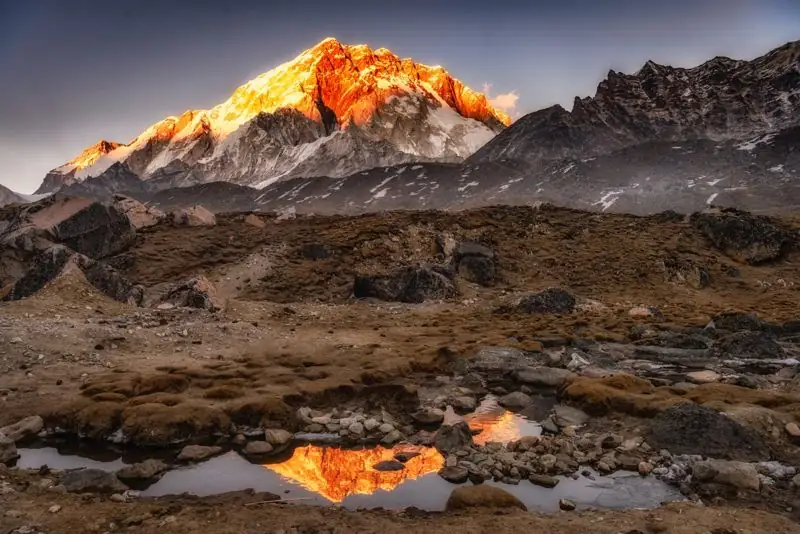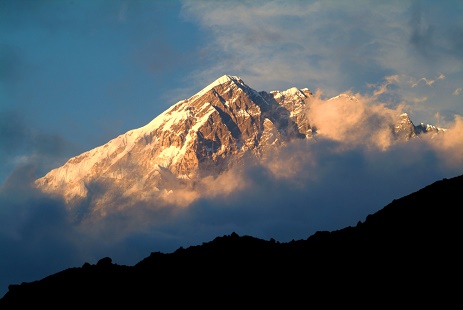
Lobuche East (about 6,119 m) is a technical trekking peak above the Everest trail. Indian climbers need no visa, but they need an NMA permit, a registered guide and good fitness.
Entry and documents
Indian citizens do not need a visa to enter Nepal and may arrive by air or by land. Carry a valid passport or voter ID card, which are the documents normally accepted, and check the current rules shortly before you travel because requirements can change. Keep photocopies and a digital copy in a separate bag. The climb needs an NMA permit and Sagarmatha park permits through a registered agency. See permits and rules.
Experience
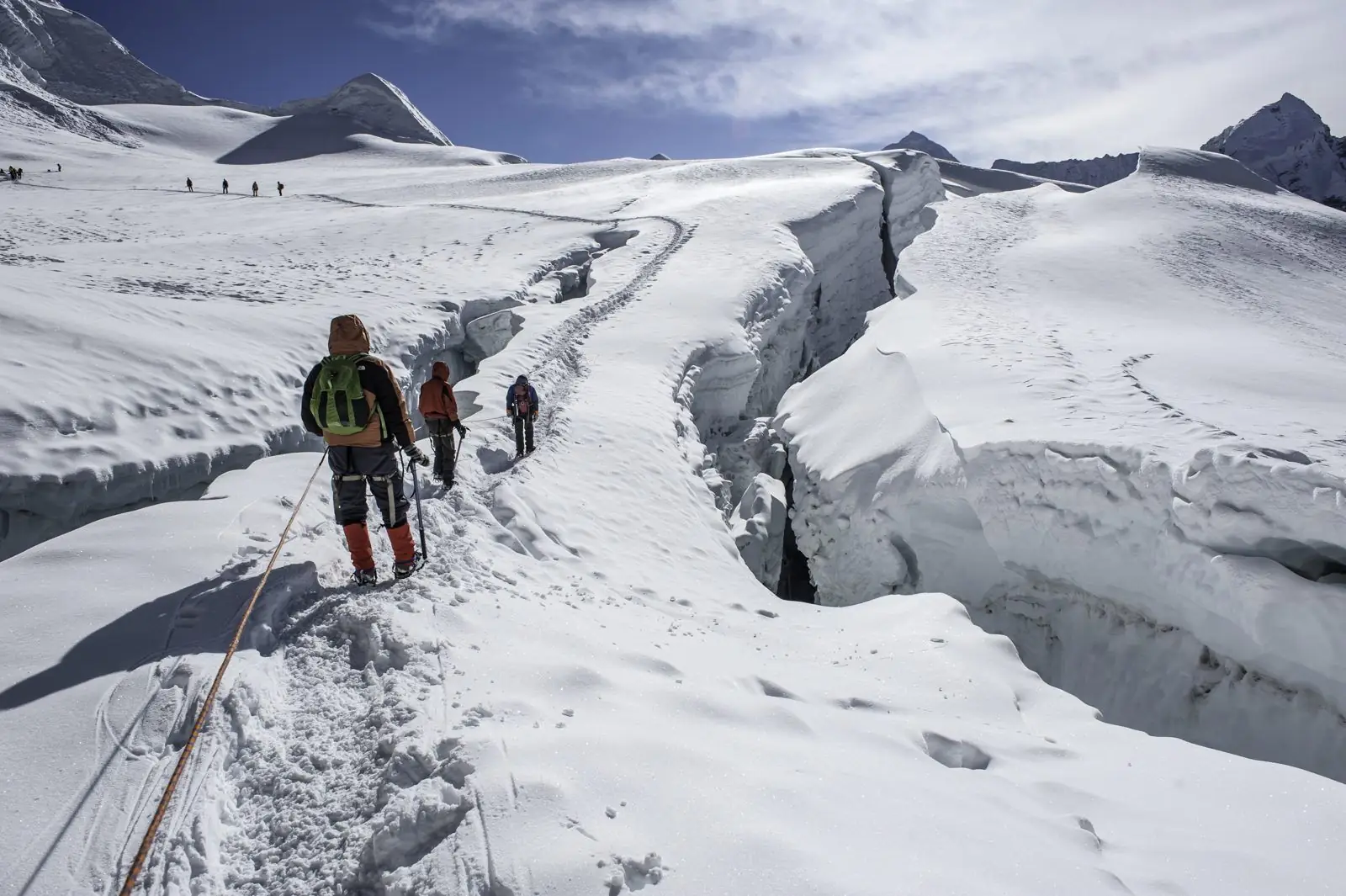
Lobuche East is steeper than Island Peak and includes a rock section and fixed rope. Prior climbing experience helps. Train with hikes and technical practice.
Food and diet
Vegetarian meals are available in lodges and base camp. Tell your team early.
Timing
Autumn and spring are best. Lukla flights are busy at festival times.
Building experience first
Lobuche East is steeper than Island Peak and has a rock band and a fixed-rope section. Many climbers do a high-altitude trek and a gentler peak first. Practise with crampons and rope handling before you go, and be honest with your operator about your experience.
Money, flights and logistics
Carry Nepali rupees for tips and extras. Flights to Lukla are busy in October, so book early. Keep reserve days in Kathmandu. Your operator handles permits, but you should keep copies of your documents.
Planning
Allow about three weeks. See the itinerary.
Preparing from a lowland base
Many Indian climbers live at sea level, so build altitude fitness with long walks and, if possible, a preparatory trek in the Himalaya. Arrive in Kathmandu a day early to settle, sort permits and test your gear.
Cooking and tastes
Lodges serve rice, lentils and vegetable dishes that suit most diets. Vegetarian meals are easy to find on the lower trail, but variety shrinks higher up, so bring a few favourite snacks.
Why Lobuche East needs more experience
At about 6,119 m, Lobuche East has a steeper and more technical summit ridge than Island Peak. Climbers should have used crampons and fixed ropes before. Many Indian climbers do a basic mountaineering course first, which improves confidence and safety.