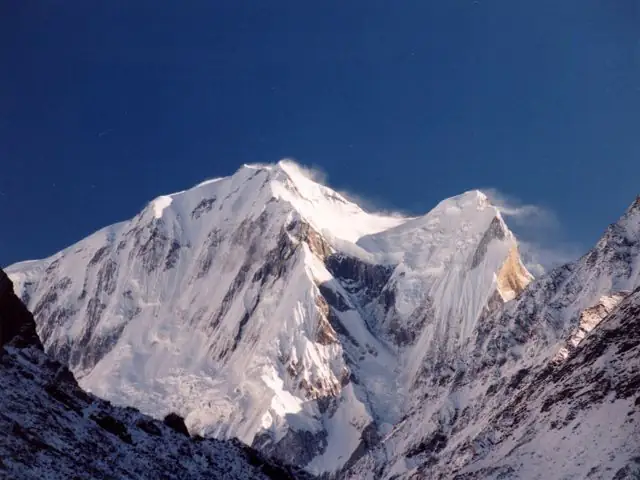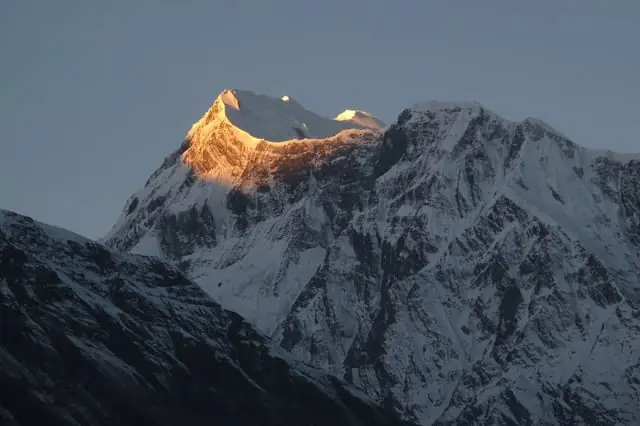
The Mardi Himal trek usually takes five to seven days from Pokhara to Pokhara. The shortest practical plan is four days for very fit trekkers, but five days is a more realistic minimum, and six or seven days allow time for the View Point, Mardi Himal Base Camp and a gentler pace.
The five-day plan
Five days works for fit trekkers who want the classic experience without extras. Day 1 climbs to Pothana or Deurali. Day 2 reaches Low Camp. Day 3 reaches High Camp. Day 4 climbs to the View Point and descends to Low Camp or Forest Camp. Day 5 returns to Pokhara. The pace is brisk and leaves little buffer for weather.
The six-day plan
Adding a day lets you move more slowly on the way up and gives you a margin if cloud hides the view on the first morning. This is the best choice for most trekkers. It is also easier on knees on the descent.
The seven-day plan
A seventh day can be spent at High Camp for a second sunrise attempt, a slower approach or an extension to Mardi Himal Base Camp. It also suits families, older trekkers and anyone who wants more rest. It adds cost but a lot of comfort.
Why not rush it
- The trail climbs steadily from 1,770 m to 4,200 m in only a few days.
- Views depend on weather, which can change quickly on the ridge.
- Lodges are basic, so rest is valuable.
- Descending quickly strains knees.
Combining with other treks
Mardi Himal fits well with Poon Hill or the Annapurna Base Camp trek. A combined Mardi and Poon Hill trip takes about nine to eleven days, and Mardi plus ABC takes ten to thirteen. Talk to your operator about which combination suits your time and fitness.
Spare days
Keep at least one spare day at the end in Pokhara before any onward flight. Weather, landslides and transport delays occur, and a flexible plan makes a much better trip.
Choosing between five and seven days
Choose five if you have limited leave, you are fit and you accept a brisk pace. Choose six if you want a balanced schedule with time to enjoy the views. Choose seven if you are a beginner, travelling with family or want to attempt the base camp extension with margin for weather. When in doubt, take the longer option, since extra days make a bigger difference to enjoyment than almost anything else.
How to use an extra day
An extra day can be used at High Camp for a second sunrise, at Low Camp as a rest day or at the end in Pokhara for a lakeside day. If the weather is perfect, you might spend it walking along the ridge to explore side viewpoints. If the weather is bad, you will be glad to have it.
Fitting into a longer trip
If you plan a longer holiday in Nepal, Mardi Himal fits well after a few days of sightseeing in Kathmandu or Pokhara. It also combines naturally with cultural stops such as Bandipur, Gurung villages or the Annapurna foothills.