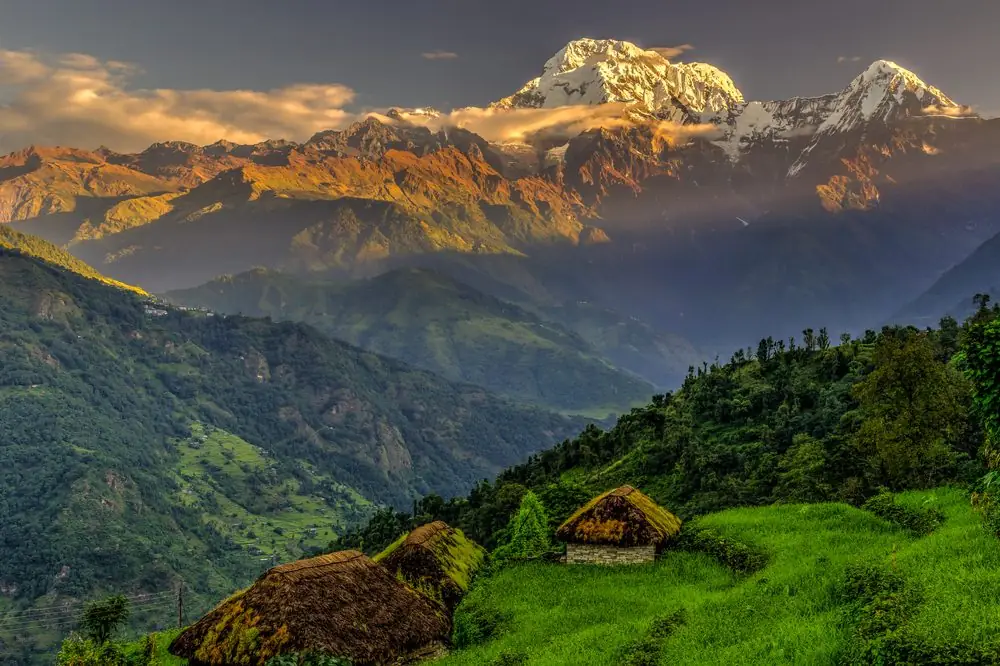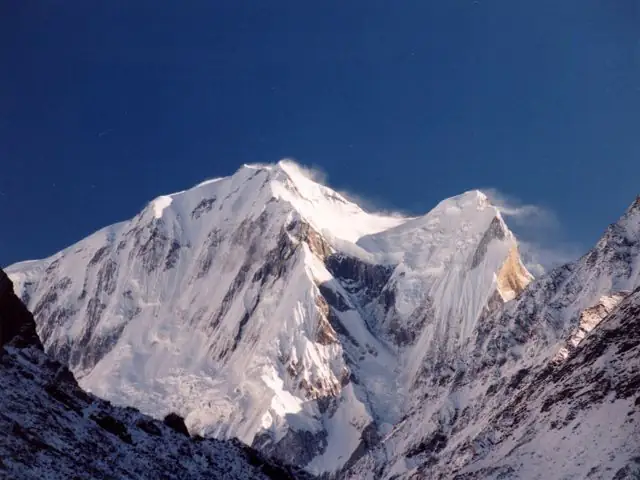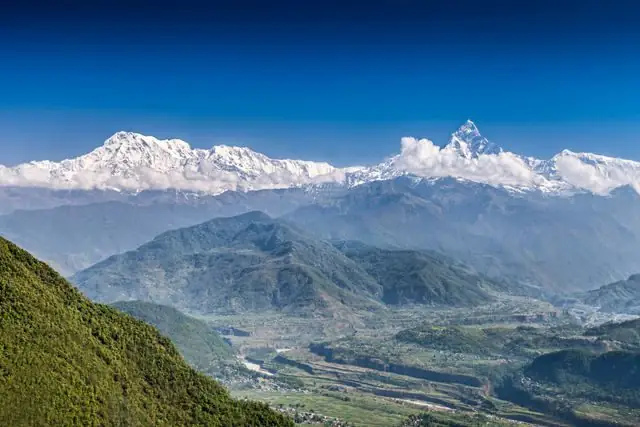
Most Mardi Himal trekkers aim for the View Point, at about 4,200 m, which sits on the ridge above High Camp. Mardi Himal Base Camp, at about 4,500 m, lies further along the same ridge. The difference in height is modest, but the extra distance, exposure and time make base camp a more serious objective.
The View Point
The View Point is reached in about three to four hours from High Camp. The trail climbs steeply along a narrow ridge with drops on both sides, so footing matters. At the top you stand in front of Machhapuchhre, with Annapurna South, Hiunchuli and the Annapurna range behind, plus a view down to Pokhara on clear mornings. It is cold and often windy, so wear warm layers.
The Base Camp extension
The route beyond the View Point continues toward the foot of Mardi Himal, taking another one to two hours each way depending on conditions. The ridge becomes more exposed and the air thinner. It is generally recommended only for fit, acclimatised trekkers with good weather and a guide. The final reward is a closer view of the summit and a sense of remoteness.
Timing
- Leave High Camp in the dark, around 3:30 to 4:30, to reach the View Point for sunrise.
- Allow time for photographs, then descend before the wind builds and cloud arrives.
- Plan to be back at High Camp by late morning.
Safety
Do not go if you have a severe headache or nausea. Stay well back from edges, especially in snow. Poles help on the steep sections. If cloud hides the ridge, wait or turn back, because navigation becomes difficult and a fall would be serious.
Is it worth the extra effort
For most trekkers the View Point provides everything they hoped for. Base camp is a bonus for those who feel strong and have time, not a requirement for a successful trek.
Preparing for the pre-dawn climb
Pack your daypack the night before with headlamp, warm layers, water and snacks. Sleep early and set an alarm. Wear everything you need before leaving, since stopping on the ridge to add layers in the dark is unpleasant. Check your headlamp batteries and bring spares.
Moving safely on the ridge
Walk in single file, keep three points of contact on steep sections and watch your footing. Avoid walking close to the edge when taking photographs. In snow, use poles and microspikes. If anyone feels dizzy or unwell, stop and descend.
Returning to High Camp
After sunrise, descend carefully to High Camp for breakfast. Rest, drink and then decide whether to continue down to Low Camp or stay. Many trekkers feel tired and benefit from a slower descent.