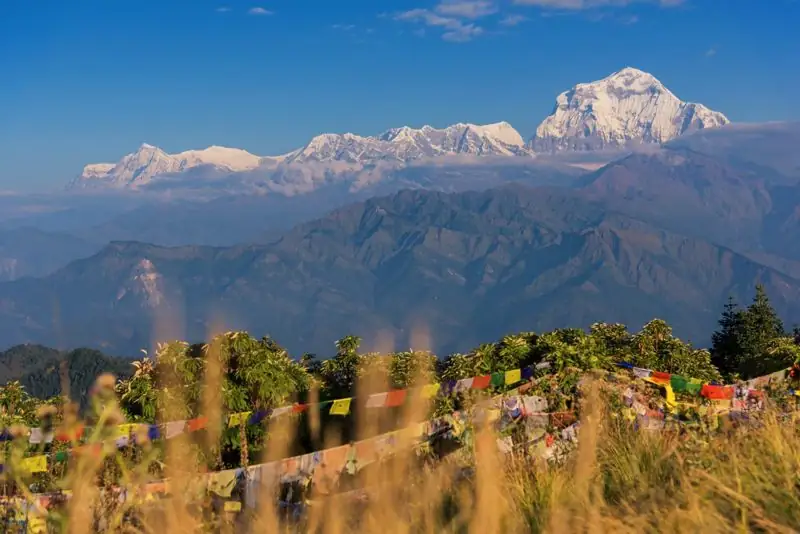
Mesokanto La is not technical, but it is serious. Remoteness is what separates it from the standard Circuit.
Why it is demanding
- More than five hours above 4,500 m.
- No lodges or help close to the pass.
- Weather can change quickly.
- Long descent on loose, dry ground.
Preconditions for crossing
- A smooth Tilicho day with no altitude symptoms.
- Settled weather and a good forecast.
- Warm clothing, a headlamp and food and water for the whole day.
- A guide who has crossed it before.
Decision points
The first decision is at Tilicho Base Camp: if anyone is unwell, return to Manang. The second is at dawn: if the weather is poor, wait or retreat. The third is on the way up: if the pace is too slow to finish before dark, turn back.
Emergency planning
Carry a charged phone, a first-aid kit and a plan for evacuation. Insurance must cover helicopter evacuation. See Tilicho route and safety.
Training
Build endurance with long, hilly days and carry a loaded pack. Break in boots and poles on similar terrain.
Physical demands
The pass day typically involves eight to twelve hours of walking, with the highest point above 5,000 m and a long descent. The ascent is steady rather than technical, but loose ground and cold wind add effort. Endurance and acclimatisation matter more than speed. Trekkers who can walk comfortably for eight hours at 4,000 m are usually prepared; those who struggle on normal Circuit days should not attempt it.
Cold and wind
Temperatures at dawn can be well below freezing, and wind at the pass can be fierce. Layers are essential: a base layer, fleece, down jacket and windproof shell, plus insulated gloves, a warm hat and a buff. Hands and feet are often the first to suffer, so carry spare gloves and warm socks.
Communication and rescue
Mobile signal is unreliable. Your guide should carry a charged phone, a first-aid kit and a satellite communicator if possible. Rescue by helicopter depends on weather and landing sites, and is not guaranteed. This is why conservative decisions are so important: the best rescue is the one you never need.
Common questions
Is Mesokanto La dangerous?
Not technical, but remote and high. It needs good weather, acclimatisation and an experienced guide.
When should I turn back?
If anyone has altitude symptoms, if the weather is poor, or if the pace is too slow to finish safely.
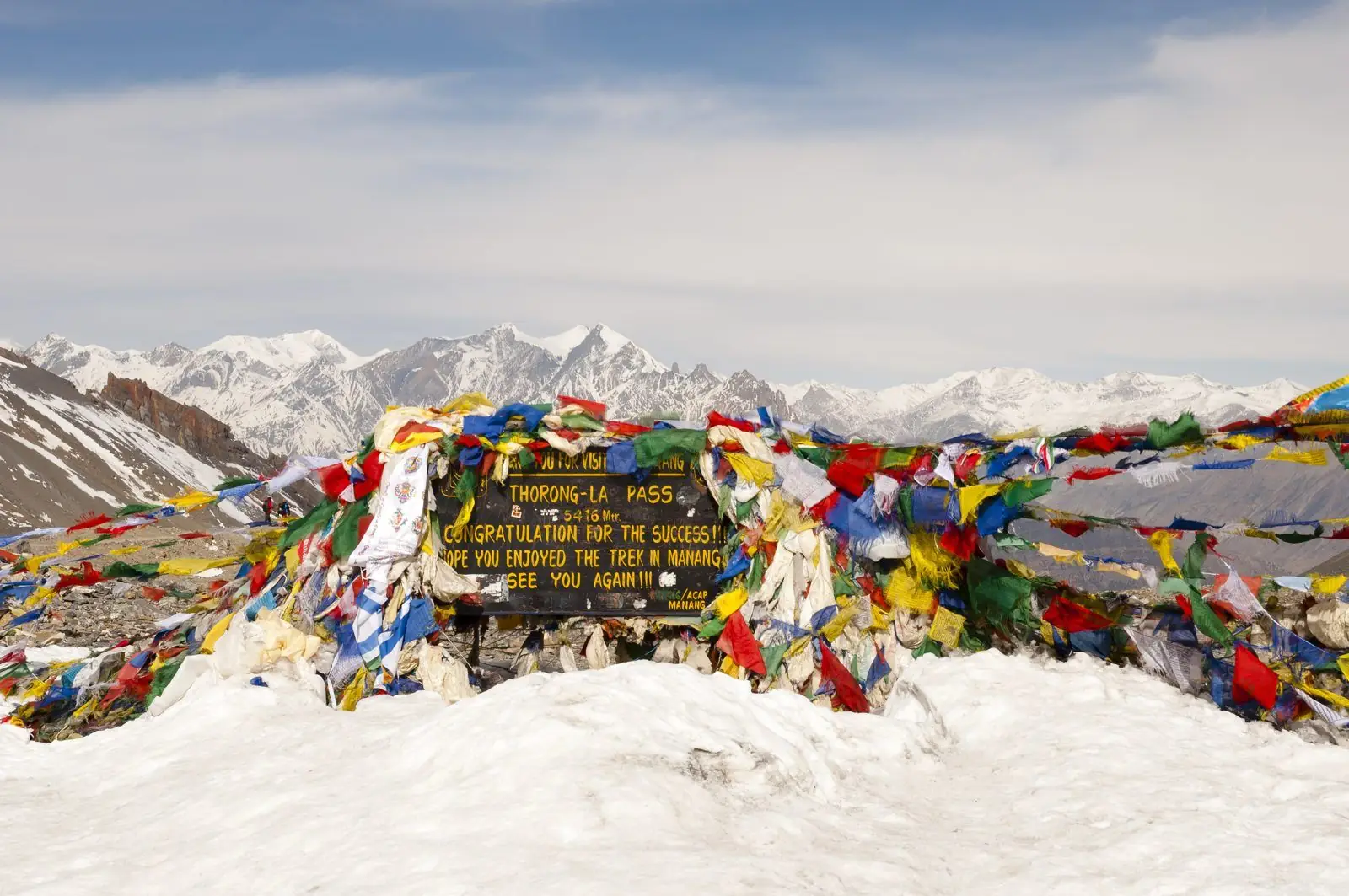
Is it harder than Thorong La?
Usually yes, because of remoteness and fewer facilities, even though it is lower.