




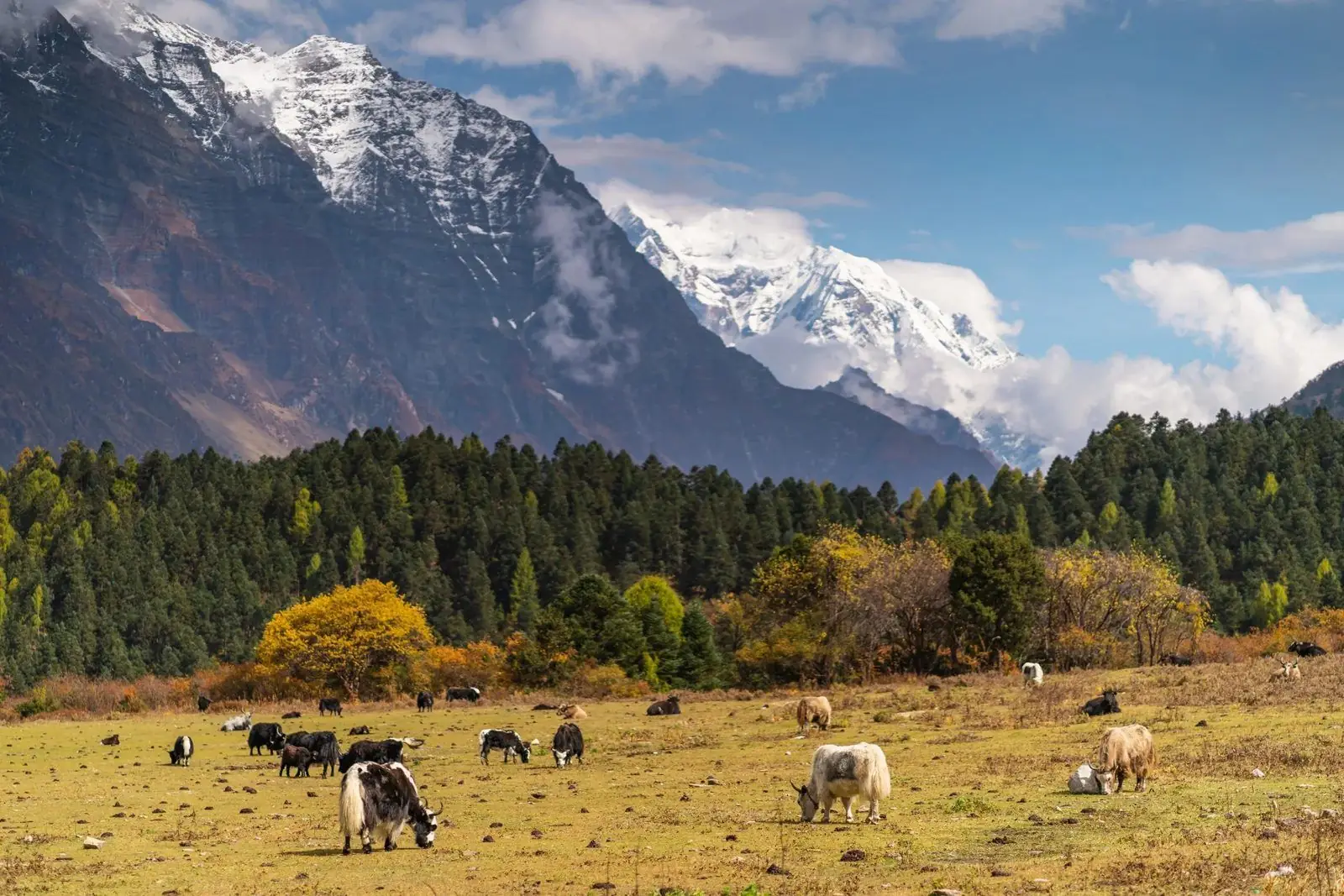
The Nar Phu Valley trek costs more than a regular Annapurna route mainly because it is a restricted area. A special permit, a licensed guide through a registered agency, transport to the start and a mix of lodges and camps shape the total. Group size, season and spare days adjust it. We do not publish a fixed figure, since fees change, so ask us for a current quote.
Restricted area rules and permits
Nar Phu lies in a restricted zone, so a special permit is needed in addition to the normal trekking permits, and you must travel with a licensed guide arranged through a registered agency. The fees, the paperwork and the rules on minimum group size or duration can change, so we never quote them from memory. Rules change, so confirm before you travel. Our packages include permits, licensed guide, porters and transfers, so you see one total. Ask every operator whether the special permit is included. Ask for the quote in writing, with a clear list of what is and is not included.
Guide and porter days
You pay for people by the day, and a restricted route means the guide is required, not optional. Porters carry your bags between the villages, and on harder sections extra help may be needed. Every day of the trek, including rest days and weather days, adds wages, food and insurance for the crew. This is a long, remote walk beyond the usual Manang route, so the crew count is a big part of the cost. Fewer people lower the price, but never at the cost of safety. Cheaper offers often leave out something you will pay for later, so compare like with like.
Lodges and camping
The two villages have simple lodges, but facilities are basic, and there are camp sections on the approach and around the pass. Camping needs tents, kitchen equipment and a cook, which raises costs, while lodge nights spread them across local hosts. The right mix depends on season, group size and how much comfort you want. Ask us which nights are in lodges and which in tents, so quotes can be compared on the same basis. If a figure looks very low, ask which part of the trip has been removed.
Transport and getting to the start
The route begins after a long journey from Kathmandu or Pokhara toward Besisahar and onward by road to the trailhead, and it may finish near Ngawal with a drive or flight home. Vehicle hire, fuel and flight seats vary with season, and road damage or weather can add a night. Ask how many transfers the quote includes and what happens if one is cancelled. A margin of time is part of the cost on any hill road. Tell us your fitness level and comfort needs, and we will show where savings are safe.
Group size, season and spare days
Groups share the guide, transport and camp costs, so the per-person share falls as numbers rise; solo travellers carry the full amount. Spring and autumn are the preferred windows, and they are also the busiest for transport and lodges. The Kang La pass can close in snow or wind, so spare days matter, and each adds wages and food. We can add a spare day to any plan. Send us your dates and experience, and we will return a written quote. Fees and prices change, so confirm the current figure with us before you book.
Common questions
Why is Nar Phu more expensive than other Annapurna treks?
It is a restricted area, so a special permit and a licensed guide are needed, and the route is longer and remote. Costs change, so ask us for a current quote.
Is the special permit included in your price?
Yes, our packages include permits, a licensed guide, porters and transfers. Permit rules and fees change, so confirm the current position with us before you book.
Can I trek Nar Phu alone to save money?
No. Restricted area rules require a licensed guide through a registered agency, and solo travel is not something we recommend in a remote valley. Rules change, so confirm before you travel.
Does a bigger group lower the cost?
Usually, because guide, transport and camp costs are shared. Rules on minimum group size may also apply, so confirm the current position with us when you ask for a quote.


