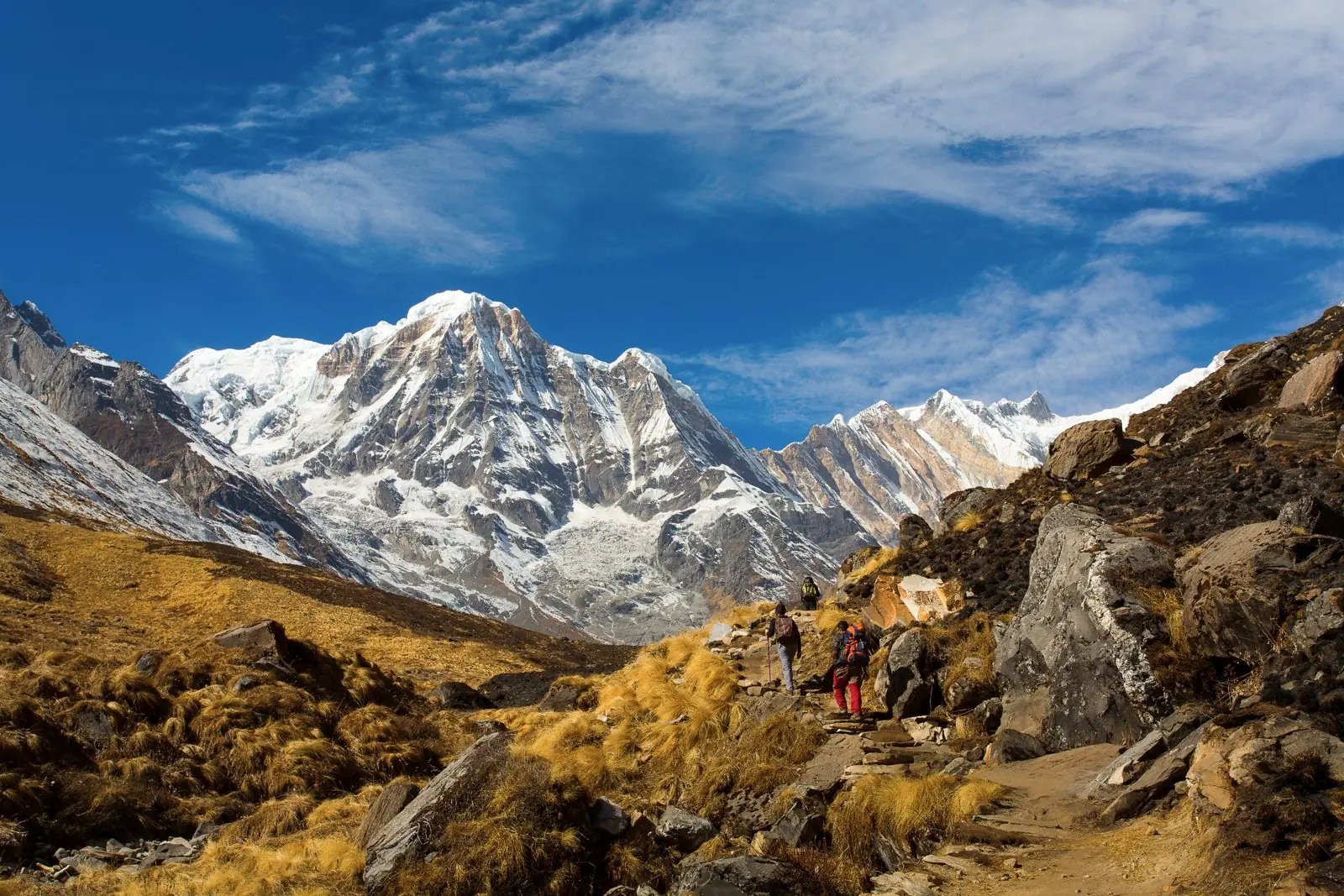
Pisang Peak reaches about 6,091 m, and the Manang approach gains height over several days. The route is a good one for acclimatisation, because you walk up the valley, rest at Pisang and use base camp and high camp before the summit. Even so, altitude is the main health risk on the climb. This is general guidance only and does not replace medical advice or your guide's decisions.
How the approach helps
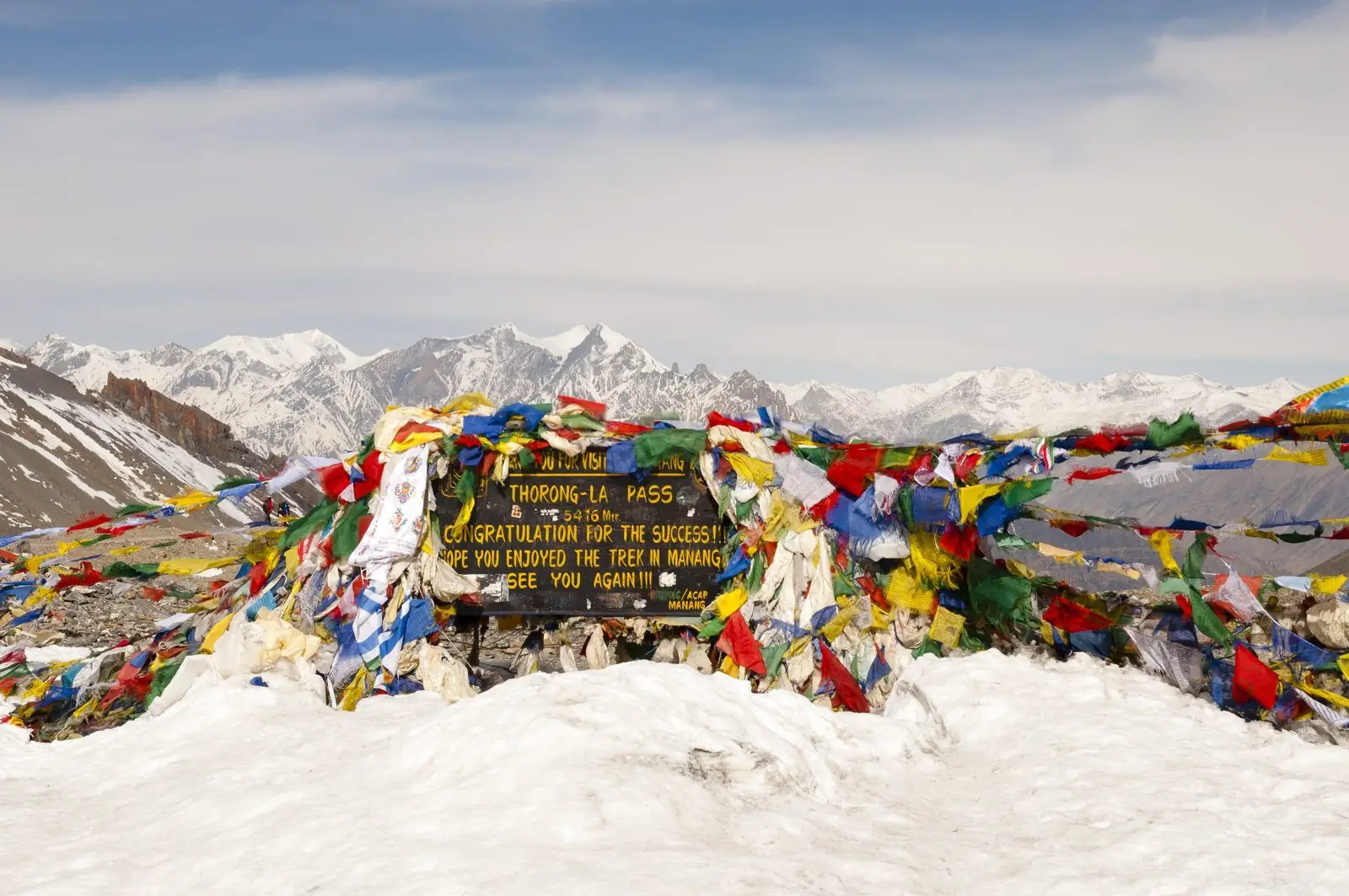
You rise from the lowlands to Pisang at about 3,100 m over about five days, with a rest day. Walking up to base camp and returning to sleep lower, or staying at base camp before the high camp, follows the principle of climbing high and sleeping low. The extra time in Manang before or after the climb is helpful if you also cross Thorong La.
Early signs to watch for
- A headache that does not ease with rest, water and simple pain relief.
- Nausea, poor appetite or unusual tiredness.
- Dizziness or very poor sleep.
- Breathlessness at rest.
Signs that mean descend now
Confusion, loss of coordination, a wet cough, breathlessness at rest or severe headache are danger signs. Tell your guide at once and descend. Do not go higher while symptoms are worsening.
Daily habits that help
- Walk slowly and take breaks.
- Drink water and warm fluids through the day.
- Eat regularly, even without appetite.
- Avoid alcohol and sleeping pills.
- Report how you feel every evening.
Summit day
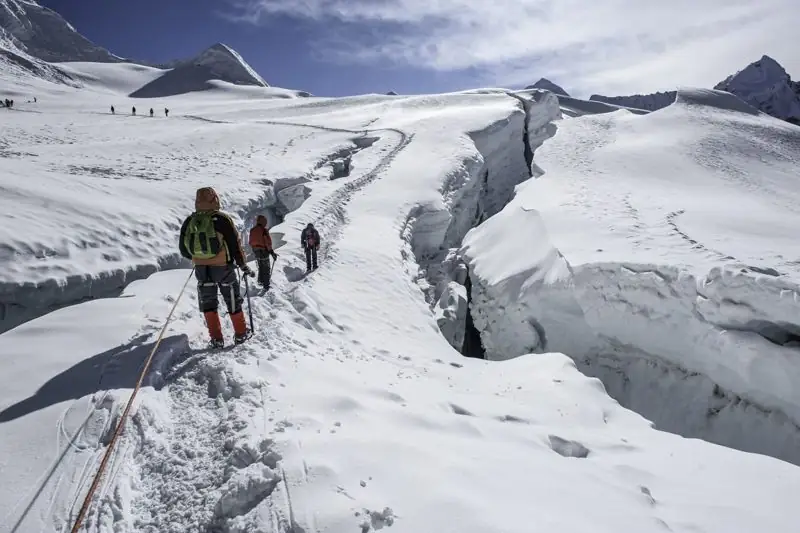
On summit day you climb well above 5,000 m and return within a day. Cold, dehydration and tiredness make altitude symptoms feel worse. Start with a warm drink and keep eating small snacks. If you feel unwell, the best decision is usually to turn around.
Medicines and insurance
Discuss preventive medicines with a doctor before you travel, not on the trail. Make sure your insurance covers climbing to 6,100 m and helicopter evacuation, and keep policy details with you.