The price of a Pisang Peak climb depends on length, group size, support staff and what is included. It is usually lower than peaks that need flights, because the approach is by road and trail. Good safety standards and experienced guides still cost money, so understanding the factors helps you compare quotes properly.
What drives the price
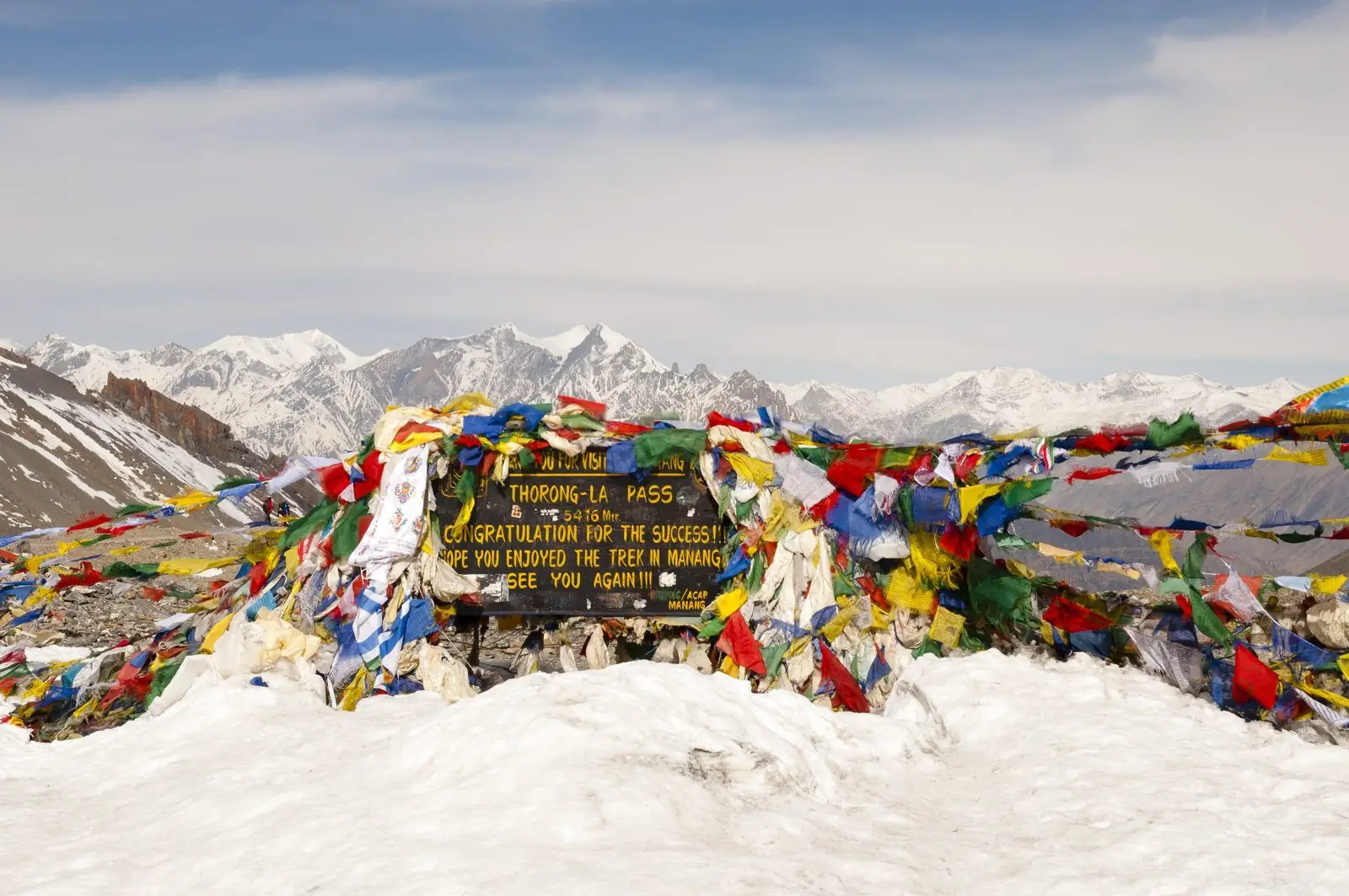
- Trip length. A trek that also crosses Thorong La has more days and costs more.
- Group size. A private climb costs more per person than a group departure.
- Permits. The climbing permit and conservation area entry are a significant fixed cost.
- Guide quality. Experienced peak guides and fairly paid staff matter for safety.
- Camp logistics. Tents, food, cooks, porters and fuel for base camp and high camp.
- Gear rental. Technical equipment may be included or charged separately.
- Return transport. A flight or jeep from Jomsom or Manang adds to the cost.
What a good package includes
Look for airport transfers, hotels in Kathmandu, road transport to the start, permits, a licensed climbing guide, porters, lodging and meals, camp equipment, staff wages and insurance, and a first-aid kit with an oximeter. Ask about the evacuation plan.
Extras to budget for
Travel insurance covering climbing to 6,000 m and helicopter evacuation, personal gear, drinks, snacks, tips and extra nights in Kathmandu. Charging and showers cost extra and are limited higher up. Bring cash in Nepali rupees.
Why very cheap quotes are a warning
A very low price may mean less experienced guides, fewer rest days, poor equipment or no real rescue plan. On a mountain, these savings can become safety problems. Ask for a day-by-day plan and compare it line by line.
How to compare quotes
Ask each operator about the number of days, spare days, group size, guide experience, permits, gear included and the plan if conditions are poor. Once those match, price differences are meaningful.