




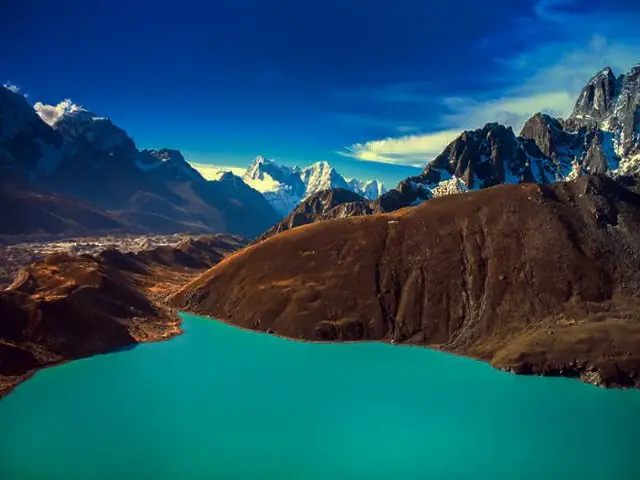
Rara is one of the easier treks in Nepal for altitude, since the lake is under 3,000 m. The challenges are remoteness, basic lodging and flight delays rather than steep climbing.
Moderate, with remoteness as the main challenge
Rara is not technical. The highest point of the full trek is a ridge of about 4,000 m, and several days climb and descend passes at around 3,000 to 4,000 m. That is enough to affect some people, but acclimatisation happens naturally if you pace the first days.
Daily effort
Expect five to seven hours of walking on most days. The Jaljala Pass day is steep, and the day to the Sinja valley is long. Trails are rough and sometimes unmarked, so a guide is useful.
Altitude
The lake itself is at roughly 3,000 m, so sleeping there carries little risk. The passes reach higher, but only for a few hours. Symptoms are uncommon but possible.
Remoteness
Medical care is limited. Evacuation depends on helicopters from Jumla or Nepalgunj, which depend on weather. Carry a full first-aid kit and make sure your insurance covers evacuation.
A typical day on the trek
A day on the Jumla route starts with breakfast and packing at about six thirty, walking until midday, a lunch break and a few more hours of gentle walking to camp. Most days include one pass or ridge of several hundred metres, and the trail follows streams, meadows and forest.
Training and gear
A programme of long walks with a loaded pack, plus some stair climbing, is enough preparation. Good boots, a warm sleeping bag, a rain jacket and sun protection are the key items. Trekking poles help on the descents.
When to turn back
Heavy rain, fresh snow on a pass, or any member of the group showing signs of altitude illness are good reasons to wait a day or turn around. Your guide should make this call early.
Preparation
Fitness for long hill walks is enough. Pack warm layers because nights are cold, even in spring and autumn. Read the access guide.
Long days, gentle altitude
Rara Lake sits at about 2,990 m, so altitude is not the main challenge. Long walking days, remote lodging and flight delays are.


