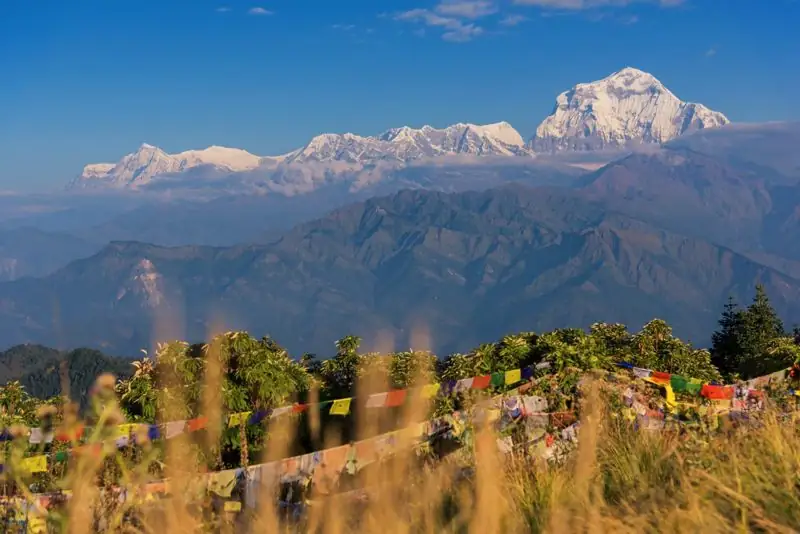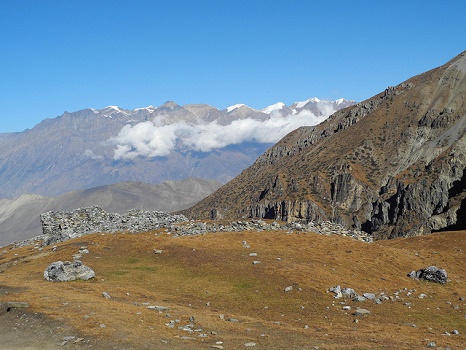
Thorong La is usually safe in stable weather, but it is a high pass and the weather can turn quickly. The October 2014 storm is the clearest reminder of that.
Normal conditions
In autumn and spring, mornings are generally clear and cold, with wind rising later. Snow patches are common, and fresh snow can cover the trail. Temperatures at dawn are far below freezing.
The 2014 blizzard
In mid-October 2014, a severe storm struck the Annapurna region after a cyclone in the Bay of Bengal. Heavy snow and avalanches near Thorong La and elsewhere caused many deaths among trekkers and local people, and a major rescue operation followed. It is widely cited as the worst trekking disaster in Nepal's history. We mention it not to frighten, but because its lessons are practical.
Lessons that stuck
- Do not cross after heavy snow; wait for conditions to settle.
- Check forecasts in the days before, but trust local advice too.
- Do not go late in the morning.
- Do not push on in bad weather because of a schedule.
- Carry warm clothing and food even for a day crossing.
What a good guide does
Checks weather and snow, speaks to other guides, sets a turn-around time, keeps the group together and makes the call to wait. Choose an operator that treats these decisions as non-negotiable.
Buffer days
A spare day before and after the pass is the best safety measure. It lets you wait out weather instead of deciding under pressure.
How forecasts help and where they fall short
Weather services and guides can see storms approaching days in advance, but mountain weather is complex and local. The best protection is a conservative mindset: leave early, carry warm clothing, and do not hesitate to wait or turn back. A day lost is cheap compared with the consequences of a bad decision.
What trekkers can do
- Choose an operator that treats weather decisions as the guide's call.
- Build at least one spare day into your schedule.
- Check weather with your guide each evening.
- Know the signs of a deteriorating forecast: rising wind, thickening cloud, sudden temperature change.
- Carry enough warm clothing and food for a delayed or turned-back day.
Respect for those who were lost
The 2014 disaster affected trekkers, guides and local people. It reshaped safety practices in the region, including better weather information, clearer shelters and greater awareness. Remembering it is a way of respecting the people involved and the mountains.
Common questions
What happened in 2014?
A severe storm in October 2014 caused heavy snow and avalanches in the Annapurna region, with many deaths and a large rescue effort.
Can the pass close?
Yes. After heavy snow, guides may wait a day or more.
Is it safe now?
In stable weather with a good guide and sensible timing, yes. Weather is the main risk.
What our guests say
Excerpts from trekker reviews on our reviews page.
“Everything was handled professionally and with great attention to detail, from permits to on-ground support.”