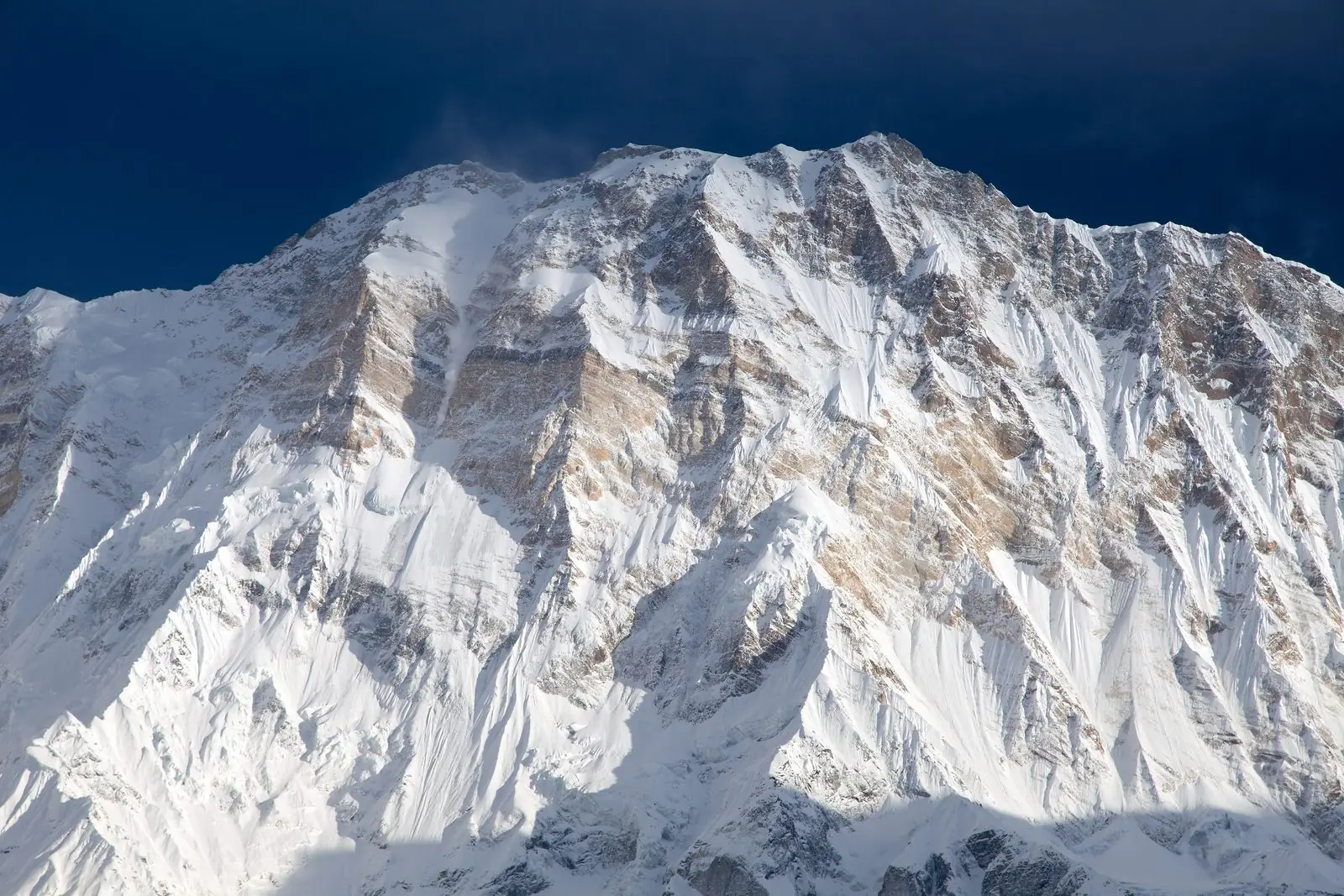
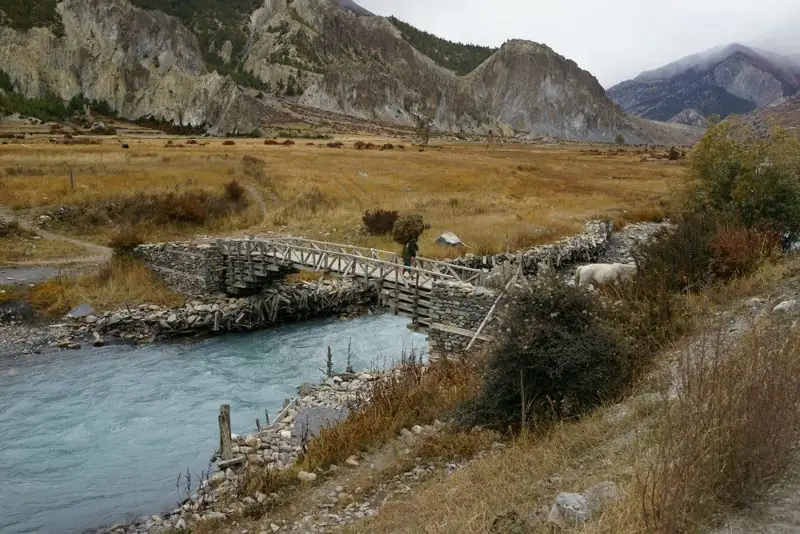
Manang has coverage, but base camp and the mountain have none. Expeditions rely on satellite phones and radios.
What works in Manang
Manang has mobile coverage from the main Nepali networks in good weather and Wi-Fi in some lodges, usually sold by the hour or day. Speeds are slow and drop in the evening. It is the best place to message family before the high stages.
What to expect beyond Manang
Signal becomes patchy at Khangsar and disappears near base camp. Treat the climb as offline, and tell relatives not to worry about silence. Your guide team should have a plan for emergency contact.
Charging
Lodges in Manang charge a fee per device. At base camp, charging is limited and relies on solar panels or small generators. A power bank of 20,000 mAh and a solar panel make a big difference.
Keeping batteries warm
Cold kills batteries fast. Sleep with your phone, power bank and camera battery inside your sleeping bag, and use an inner pocket during the day. Switch devices to airplane mode when you are not using them.
Satellite and radio
Ask your operator whether the team carries a satellite phone or an inReach style device and how clients can use it in an emergency. Know the agency office number and your insurer’s helpline.
Offline preparation
Download maps, music, books and your documents before you leave Manang. Photograph your permits and passport. A small notebook helps you record days with no signal.
Setting expectations at home
Agree check-in dates with family before you leave. A short message from Manang on the day before the high stage, and another when you return, is usually enough. That protects your battery and gives your family clear milestones.
A day-by-day view of coverage
Kathmandu and Pokhara have full coverage. Besisahar and the lower valley are patchy but usable. Chame and Pisang usually work at some times of day, and Manang has the best signal on the upper route. After Khangsar you should assume silence. Plan your final calls and uploads for your last evening in Manang, and keep messages short so they send on weak signal.
What to carry for power
A 20,000 mAh power bank, a short cable, a small solar panel and a headlamp with spare batteries cover most needs. Remember that cold reduces capacity by a third or more, so a bank that works in Manang may feel half-empty at base camp. Label cables and keep a spare in a warm pocket.
Photography and storage
Bring extra memory cards, and back up photos at Manang when you have power. Cameras with large batteries do better than phones in the cold. Switch off notifications, bluetooth and location services to save power.