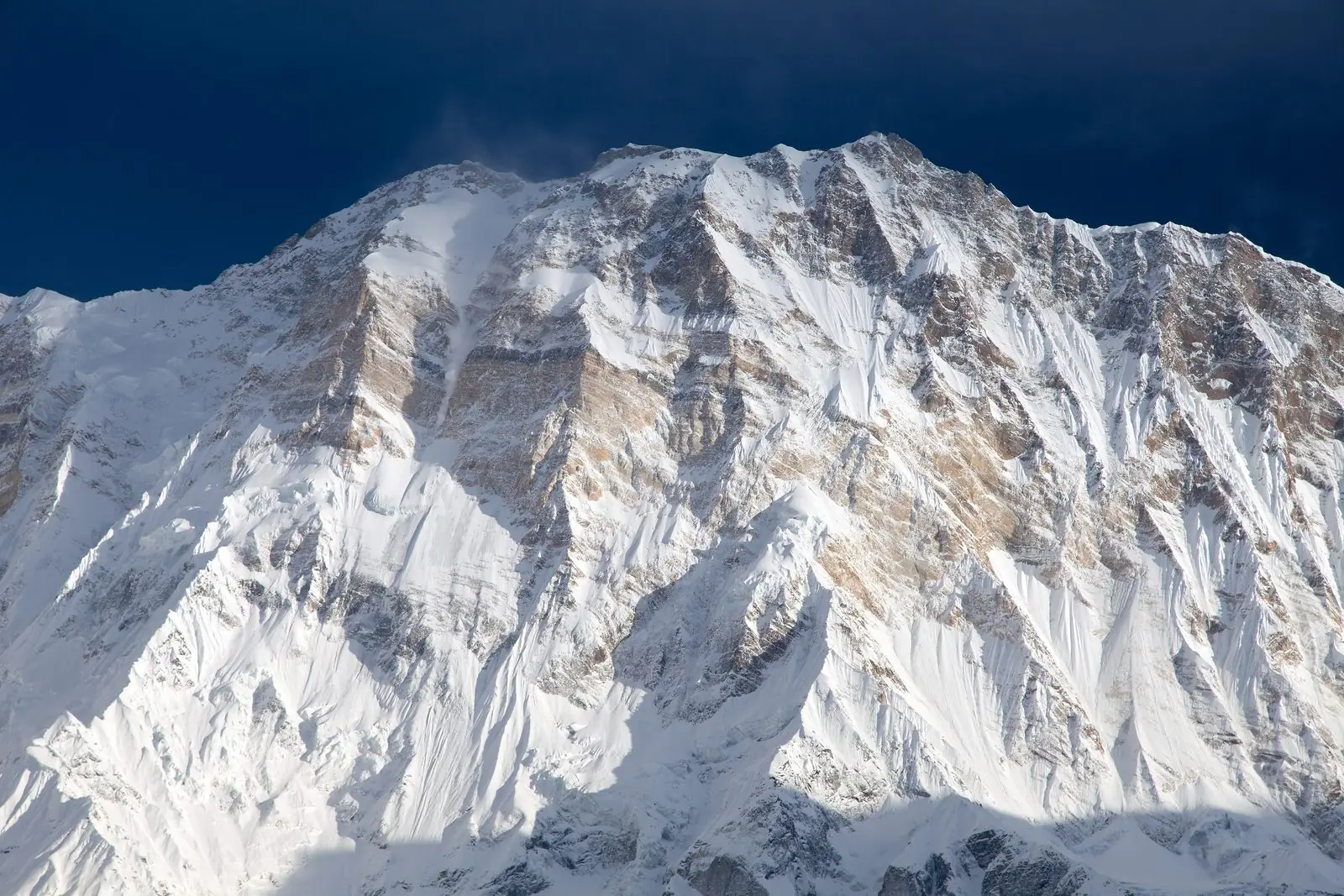
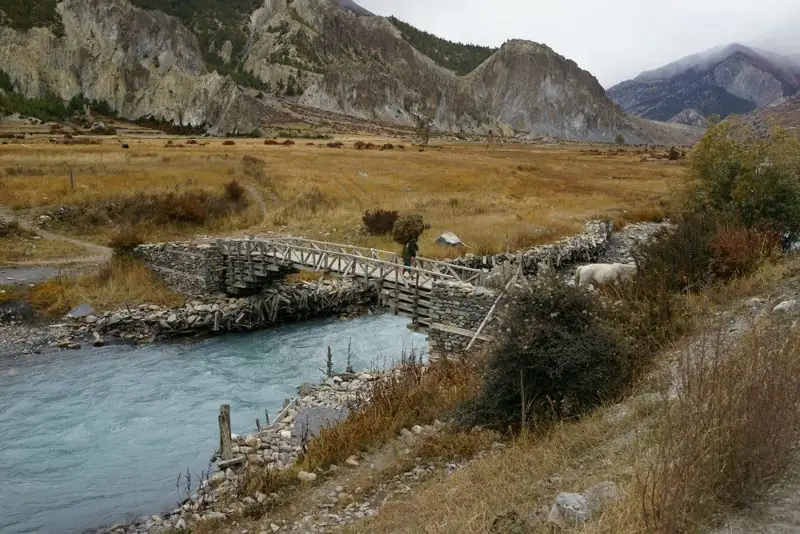
Tilicho Peak (about 7,134 m) is a serious expedition climb, not a trekking peak. Indian climbers need no visa but must have mountaineering experience, a registered agency and a climbing permit.
Entry and documents
Indian citizens do not need a visa for Nepal and may arrive by air or by land. Carry a valid passport or voter ID card, which are the documents normally accepted, and check the rules shortly before you travel because requirements can change. Keep photocopies and a digital copy in a separate bag. Climbing permits are issued through a registered agency, so share your details early.
Is Tilicho Peak realistic as a first Himalayan climb?
Almost never. At about 7,134 m it is a different undertaking from the 6,000 m trekking peaks. Most successful climbers have already completed Island Peak, Mera Peak or a similar summit, and spent time above 5,500 m. Treat your first Nepal climb as a stepping stone and let Tilicho wait.
Building altitude experience from a lowland home
Many climbers from Indian cities live near sea level, so your body has little exposure to thin air. Spend time at 3,000 to 4,500 m before the expedition, for example on the Annapurna Circuit or a trek to Everest Base Camp. Include a second trip to see how you respond to a longer stay above 5,000 m.
Food and diet
Vegetarian food is easy to arrange in Manang and at base camp. Dal, rice, vegetable curry, noodles, eggs, soup and porridge make up most meals. Tell your operator about any allergy or restriction early, and carry a few favourite snacks, because appetite often falls at altitude.
Training and fitness
Train for months with long hikes, stair climbs and cardio, and add loaded walks of six to eight hours. If you can, practise multi-day efforts on consecutive days. Strength work for the legs and core helps with heavy boots and a pack.
Timing your leave
Spring and autumn are the windows, and the expedition needs three to four weeks including approach, acclimatisation and reserve days. Ask your employer early, and avoid fixed return flights that leave no room for weather.
Costs and insurance
Expect higher costs than a trekking peak: expedition permits, team wages, high camp equipment, food, transport and insurance. Ask for a written quote that lists what is covered, and check that your policy covers climbing above 7,000 m and emergency helicopter evacuation.
Documents to carry on the mountain
Keep your passport copy, permit copies, insurance details and emergency contacts in a waterproof pouch. Share your itinerary with a family member in India and agree how often you will check in.