Tilicho Peak is a high mountain in the Annapurna region of Nepal, near the Manang district and above the famous Tilicho Lake. Published sources give its height as roughly 7,060 to 7,135 m, and you will see figures such as 7,061 m and 7,134 m for the same peak. The difference comes from different surveys and maps, so treat any single number as approximate. At this height the peak is far more serious than the 5,500 to 6,500 m trekking peaks that most first-time climbers choose.
Where it is
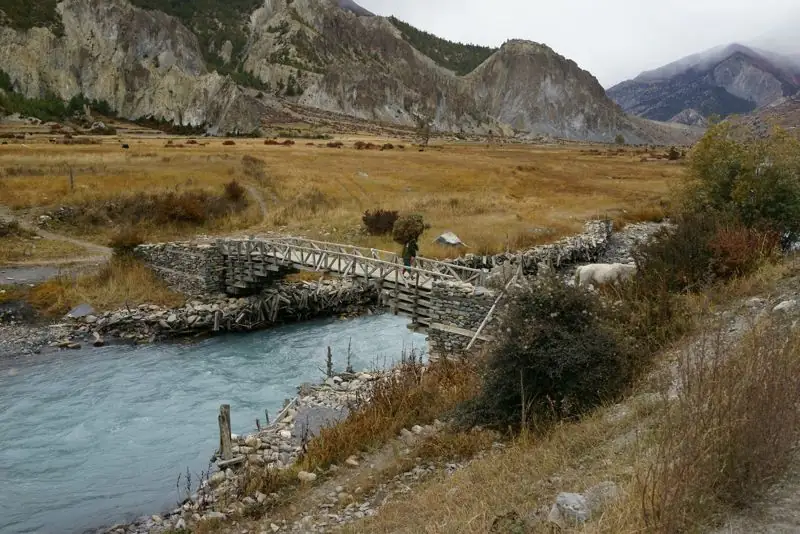
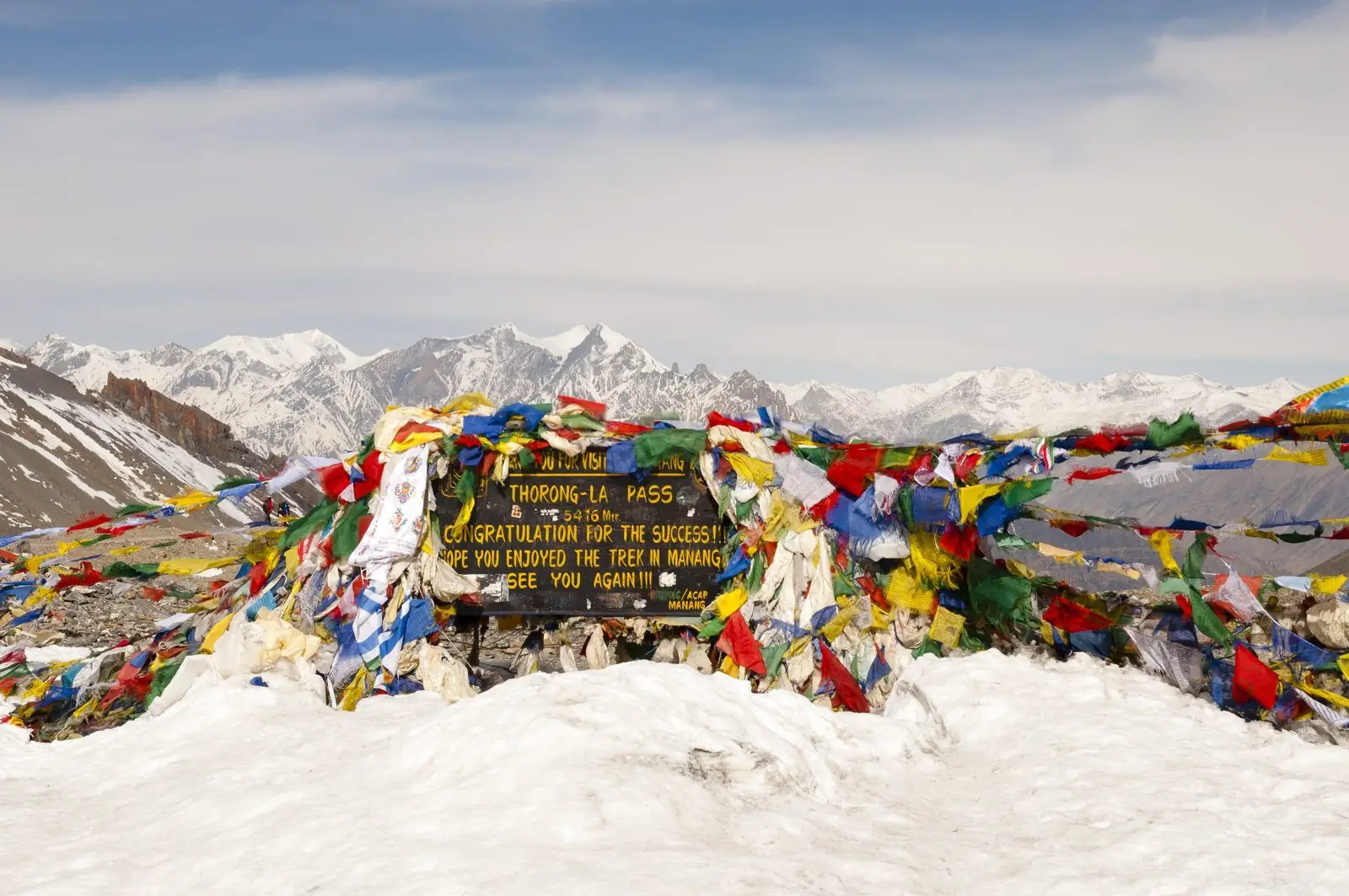
The peak stands above the Tilicho valley, south of the Manang trail, within the Annapurna range. Tilicho Lake, at about 4,900 m, is one of the highest lakes in the world and a famous trekking objective in its own right. The approach to the peak passes through Manang and the Tilicho Base Camp area, so climbers see the valley that trekkers know well.
What kind of climb it is
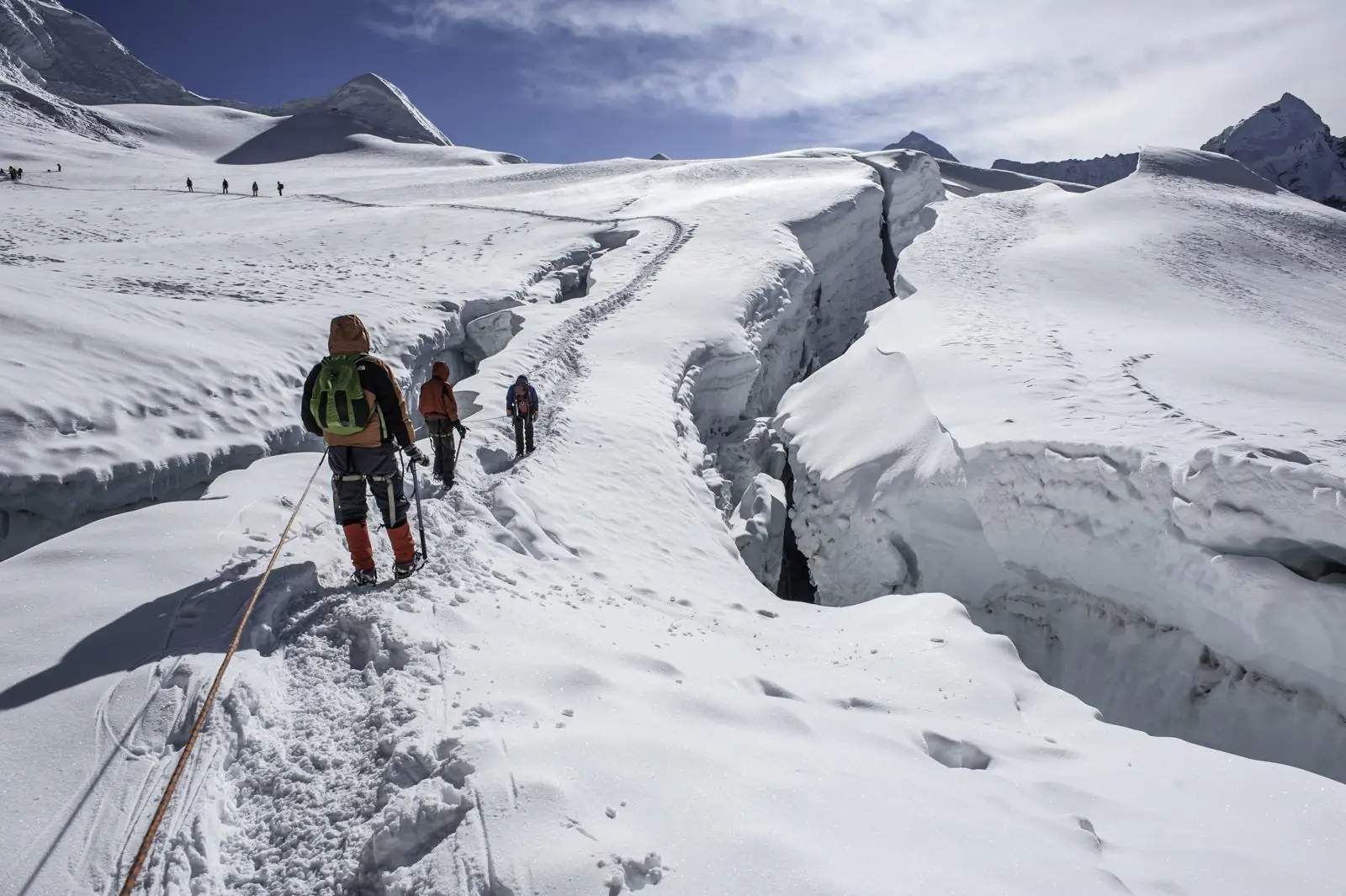
Because of its height, Tilicho Peak is generally treated as a serious high-altitude climb, not a beginner's trekking peak. The route involves long approaches, glacier travel, steep snow and ice and several nights above 5,000 m. It needs real mountaineering skills and strong acclimatisation. Operators usually require previous experience on a 6,000 m peak or similar.
Classification and permits
How the peak is classified for permit purposes and what fees apply can differ between sources, and rules change. Confirm the exact category, permit and requirements with a licensed operator in writing before booking.
Who it suits
- Experienced climbers who have already summited a 6,000 m peak.
- Fit mountaineers who are comfortable on steep snow, ice and rope work.
- Climbers who want a quiet, serious objective in the Annapurna region.
Who should choose another peak
If you have never climbed above 5,500 m, choose a more approachable peak first, such as Yala Peak, Pisang Peak or Island Peak. Tilicho Peak makes a good second or third objective once you have built skills and altitude experience.
What this guide set covers
The following guides explain the itinerary, difficulty, permits, season, gear, training and cost. They give general planning information and no substitute for a detailed briefing from your operator and guide.