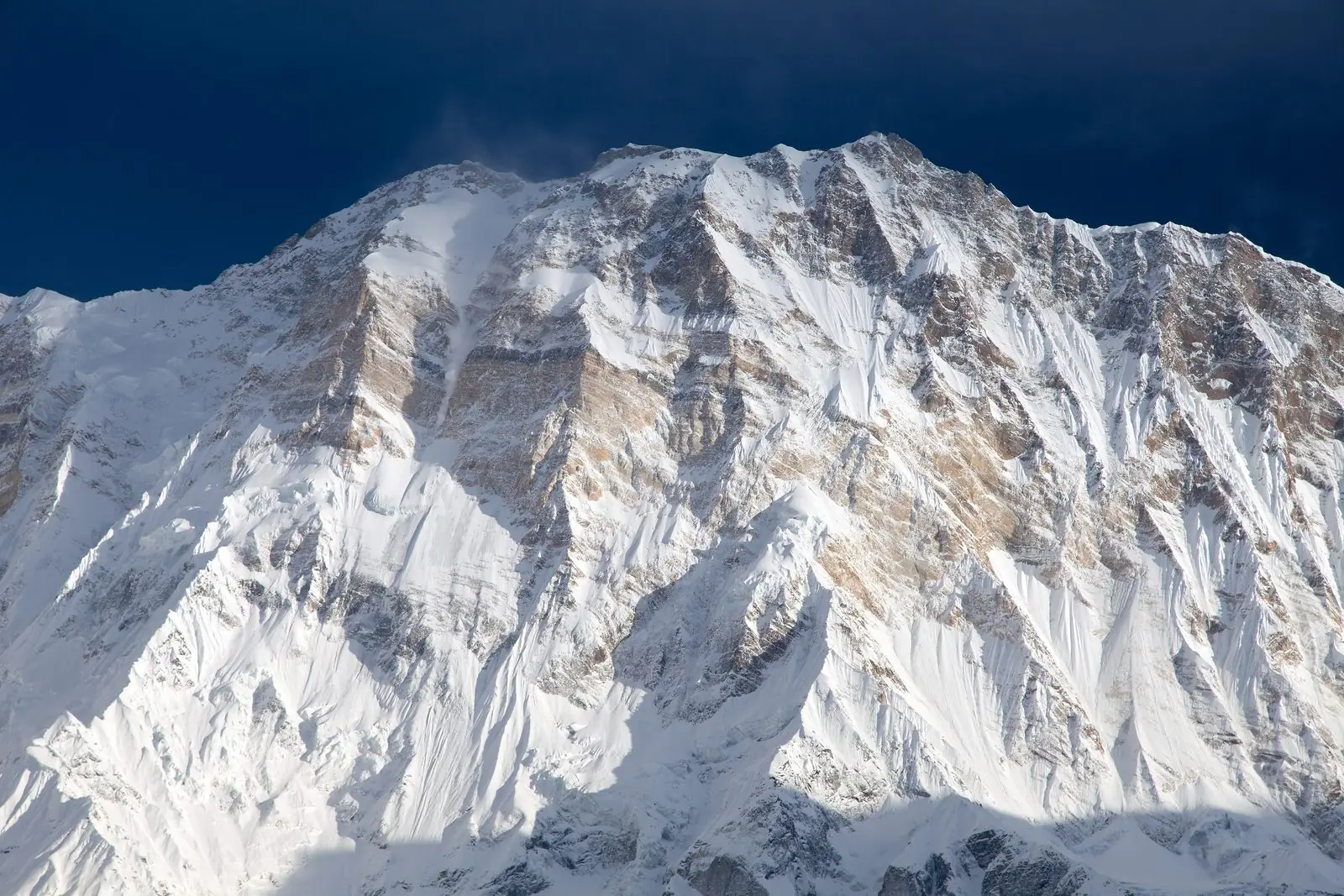
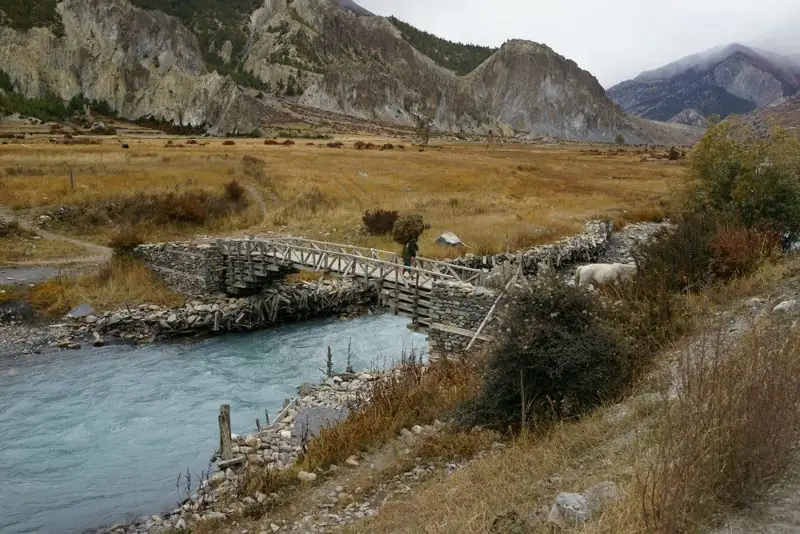
Tilicho Peak is climbed in April to May and October to November. Winter is extremely cold and windy.
The two real windows
Tilicho Peak is climbed in April to May and October to November. Between them are monsoon and winter, both unsuitable for a 7,000 m climb. The best choice depends on how you handle cold and how much risk you accept from snow.
March
Cold, windy and often snowy. The route is hard going, camps are bitterly cold and rescue is slower. Only experienced teams attempt it, and most operators advise waiting for April.
April and May
The main spring window. Days are warmer and longer, but snow can be soft and deep, and afternoon cloud builds. Late April to mid May tends to give the longest settled spells.
June to September
Monsoon cloud and snow make the upper mountain unsafe, and travel in the lower valleys is disrupted. The Manang side gets less rain than the south, but not enough to make a climb attractive.
October and November
The prime autumn window. Skies are clear, snow is firm and the wind is manageable early in the season. Temperatures drop quickly, so late October and November are very cold at high camp.
December to February
Extreme cold and strong winds make summit attempts impractical. Temperatures at altitude can fall below minus 30 and daylight is short. Not recommended.
Spring versus autumn
Spring brings warmer weather but deeper, softer snow and more cloud. Autumn gives firmer snow and clearer skies, with colder nights. Both work if you allow weather days.
Planning your window
Pick dates that leave room for a delay at both ends. The first half of October has warmer days but more traffic, while late October is quieter and colder. Tell your operator which risk you prefer.
What the days feel like at each altitude
At Manang in October, days are around 12 to 15 degrees Celsius and nights fall below freezing. At base camp, nights are far colder. At high camp near or above 6,000 m, expect strong wind and temperatures well below minus 20 at night in late autumn. In April and May the figures are a little kinder, but afternoon snow showers are common.
Snow, ice and avalanche risk
Fresh snow after a storm raises avalanche danger on the steep slopes below the summit. Teams wait one or two days after heavy snow before moving higher. In autumn, firmer snow and ice favour fixed rope work. In spring, soft snow can make progress slow and tiring.
How to choose between months
If you tolerate cold and want clear skies, choose October. If you prefer warmer nights and longer days, choose late April to May and accept some cloud. Whichever you pick, build in two to three weather days, because very few expeditions go exactly to plan.