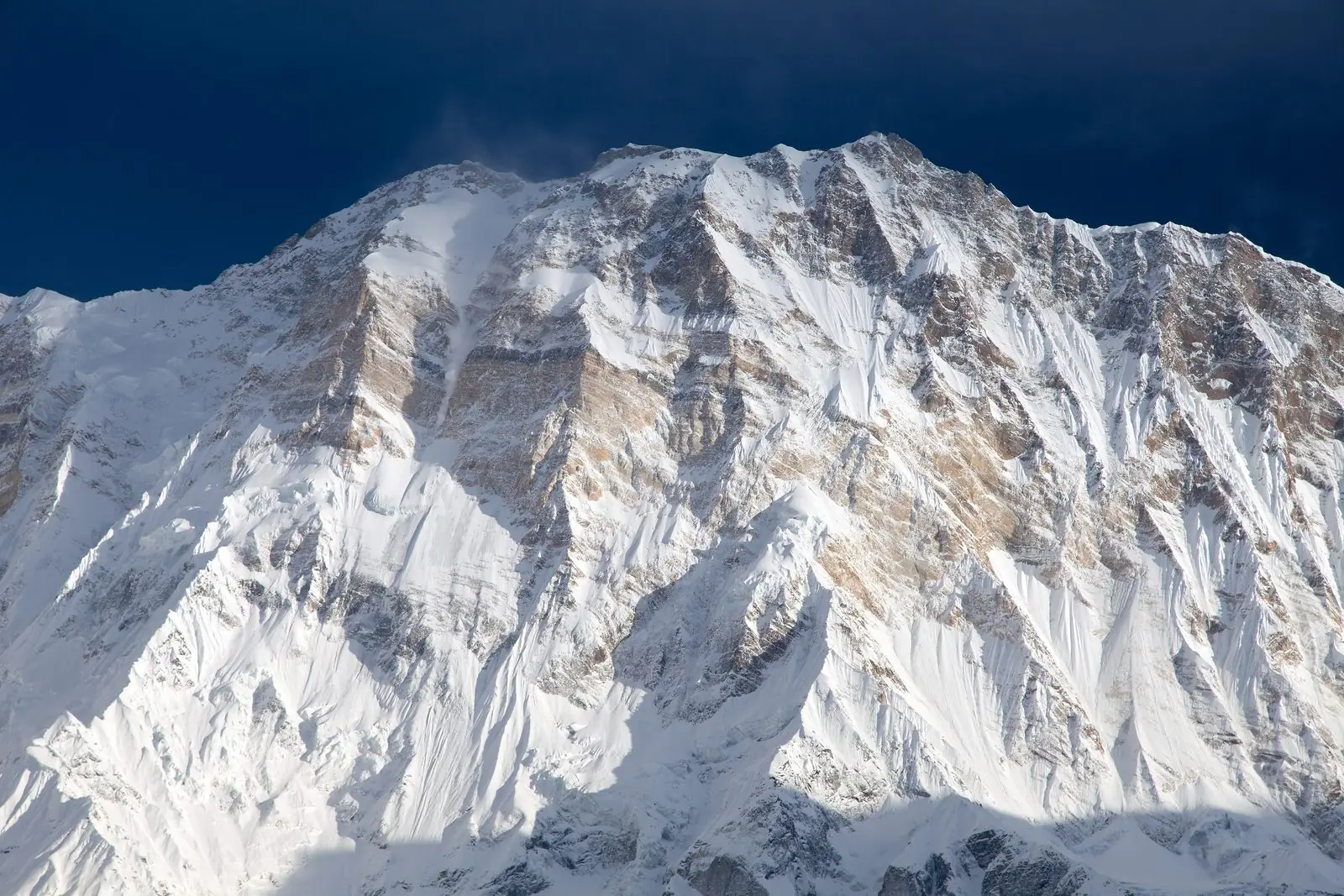
Tilicho Peak cannot be climbed alone. It requires a registered agency, experienced guides and a team structure.
Can I climb Tilicho Peak alone?
No. A 7,000 m peak needs a licensed agency, a permit and a qualified team. Going without support is unsafe and not permitted. Solo travellers can still join a team, and many do.
Why a team matters at this height
Fixed ropes, high camps, weather decisions and rescue all depend on several people working together. A strong guide-to-client ratio improves safety and speed on difficult sections.
How big should a group be?
Small teams of four to six climbers usually move best. Bigger groups slow at steep sections and strain camp space and food supply. Ask the operator how many guides and high-altitude staff accompany the group.
Choosing your partners
Match experience and pace. A mixed team where some people move much faster than others creates pressure and risk. Talk about turn-around rules before you start.
Questions to put to an operator
Ask who leads the climb, what high-altitude experience they hold, how many summits they have made on this peak, what the rescue plan is and how weather days are handled. Clear answers signal a well-run team.
An honest self-assessment
Write down your highest altitude, longest trek, glacier experience and how you slept above 5,000 m. Share it with the operator. A frank view helps them place you in the right group.
A typical expedition day
Teams wake early, eat a warm breakfast, move in the cold morning and rest in the afternoon. Higher up, days are shorter and the focus is on eating, drinking and sleeping. Patience is the main skill.
Decisions on the mountain
The leader makes the call, and the group follows. If you disagree, speak up calmly before the day starts. During a push, trust their judgement about wind, snow and your condition.
What a good guide does that a map cannot
On a 7,000 m climb the key skills are reading weather, judging snow and managing people. A good leader watches how each climber moves, eats and speaks, and uses that to decide who goes up and when to stop. That judgement comes from many seasons on the mountain, and it is the main thing you are paying for.
Sharing costs without cutting corners
Joining a group departure shares permit, guide, camp and transport costs. Private expeditions cost more but give flexibility on dates and pace. Whichever you choose, do not accept savings that remove safety margins such as fewer guides, no spare days or cheaper insurance.
Gear and tent sharing
Climbers usually share tents at base camp and high camp. Bring earplugs, an eye mask and a positive attitude. Agree simple rules about sleep, snoring and early starts.