




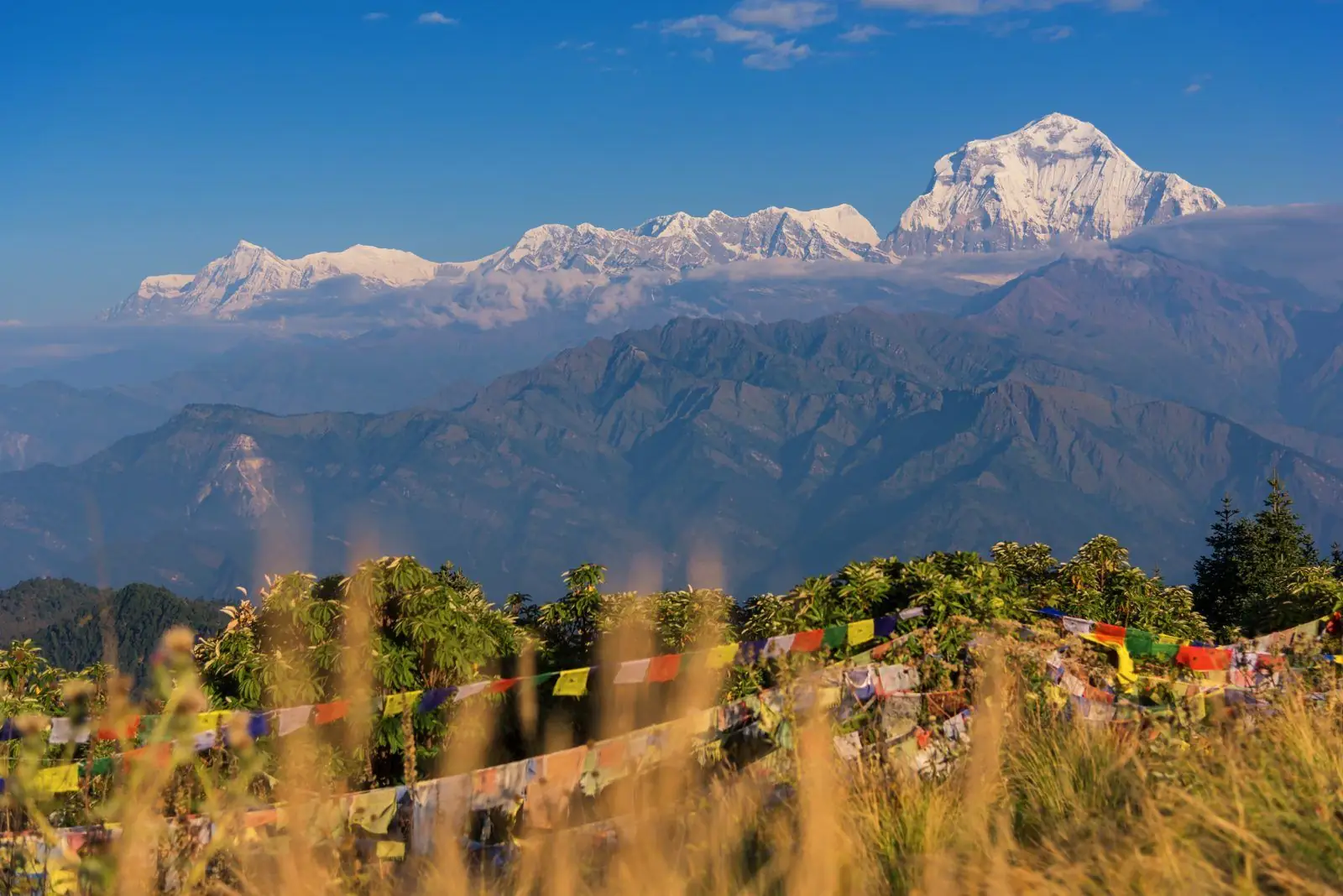
French Pass is a high crossing at about 5,360 m on the Dhaulagiri Circuit. It links the Dhaulagiri Base Camp side with Hidden Valley, which lies at around 5,000 m. The crossing is usually done on one long day and is among the hardest parts of the whole circuit.
Altitude: about 5,360 m. Heights quoted for villages and camps vary by source, so treat this as a guide.
Where French Pass is and why trekkers cross it
French Pass is the first of two big passes on the circuit, the second being the Dhampus Pass. The trek goes round the Dhaulagiri massif, and this crossing takes you from the southern glacier side toward the high plateau of Hidden Valley.
Trekkers cross it because it is the only way to continue the circuit without turning back. Access to Hidden Valley, and then on to Marpha and Jomsom, depends on getting over this pass in suitable weather.
What the crossing is like
Expect a very early start from the camp below, walking over moraine, snow and ice in cold, dark conditions. The climb is steady and long, and views open as the sun rises over the great faces around you.
The top is exposed and windy, so people do not linger. The descent on the far side leads toward Hidden Valley, which is a long day in total. How long it takes varies with pace, snow depth and trail conditions.
Altitude and how you may feel
The pass is at about 5,360 m, among the highest points of the trek, so oxygen is low and effort feels large. Headache, nausea and slow thinking can appear. Keep a steady rhythm, sip fluids and eat small snacks as you walk.
Altitude illness can strike on the way, and a long pass offers few escape points. If symptoms worsen, turn back and descend with a guide. The sleeping height afterwards in Hidden Valley is also high, so stay alert.
Gear, timing and practical tips
Check the weather with your guide the night before. Snow and ice may need crampons, and a good pair of sunglasses and a warm shell are essential. Pack water, snacks and spare layers in a small daypack.
This is a technical, committing day for experienced trekkers only. Use an operator with proper experience, and be willing to wait a day for better conditions. Keep a flexible schedule with spare days built in.
Common questions
How high is the French Pass?
Our guides put it at about 5,360 m, though other sources quote slightly different figures. It is one of two passes above 5,000 m on the Dhaulagiri Circuit, with the Dhampus Pass being the other.
Is the French Pass dangerous?
It is demanding and exposed, with snow, ice and changing weather. Risk rises with poor conditions or altitude illness. Cross it with experienced guides, a flexible schedule and proper gear, and turn back if the day looks unsafe.
What is on the other side of the French Pass?
The route descends toward Hidden Valley, a high plateau at around 5,000 m. From there the circuit continues over the Dhampus Pass and down toward Marpha and Jomsom in the Kali Gandaki valley.


