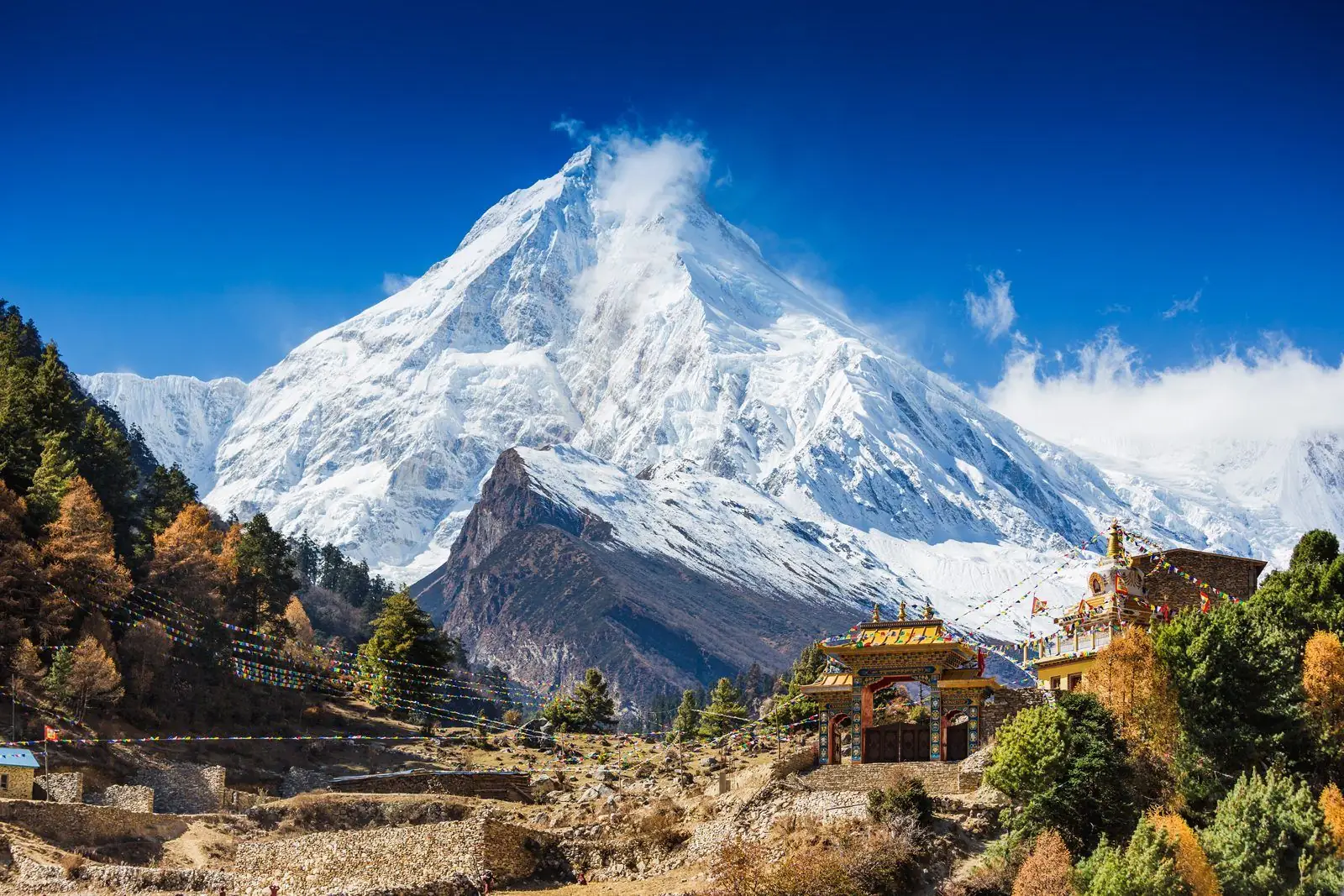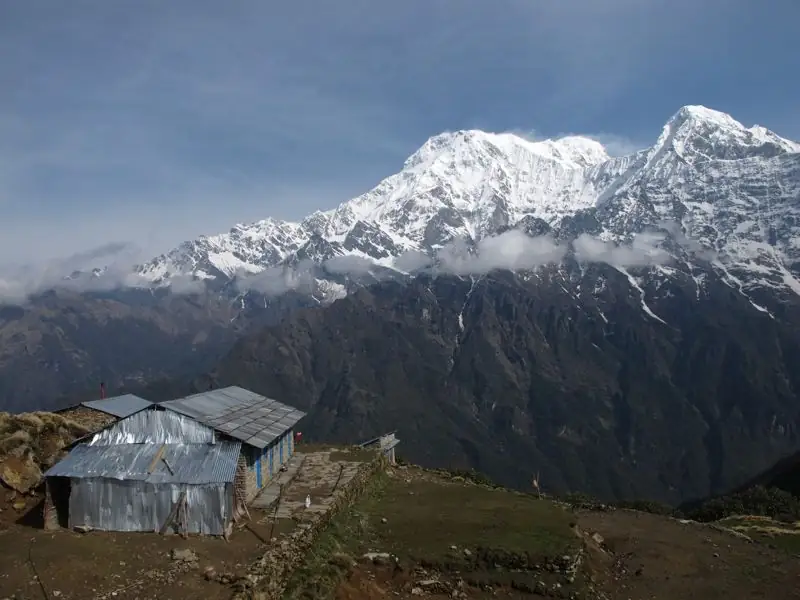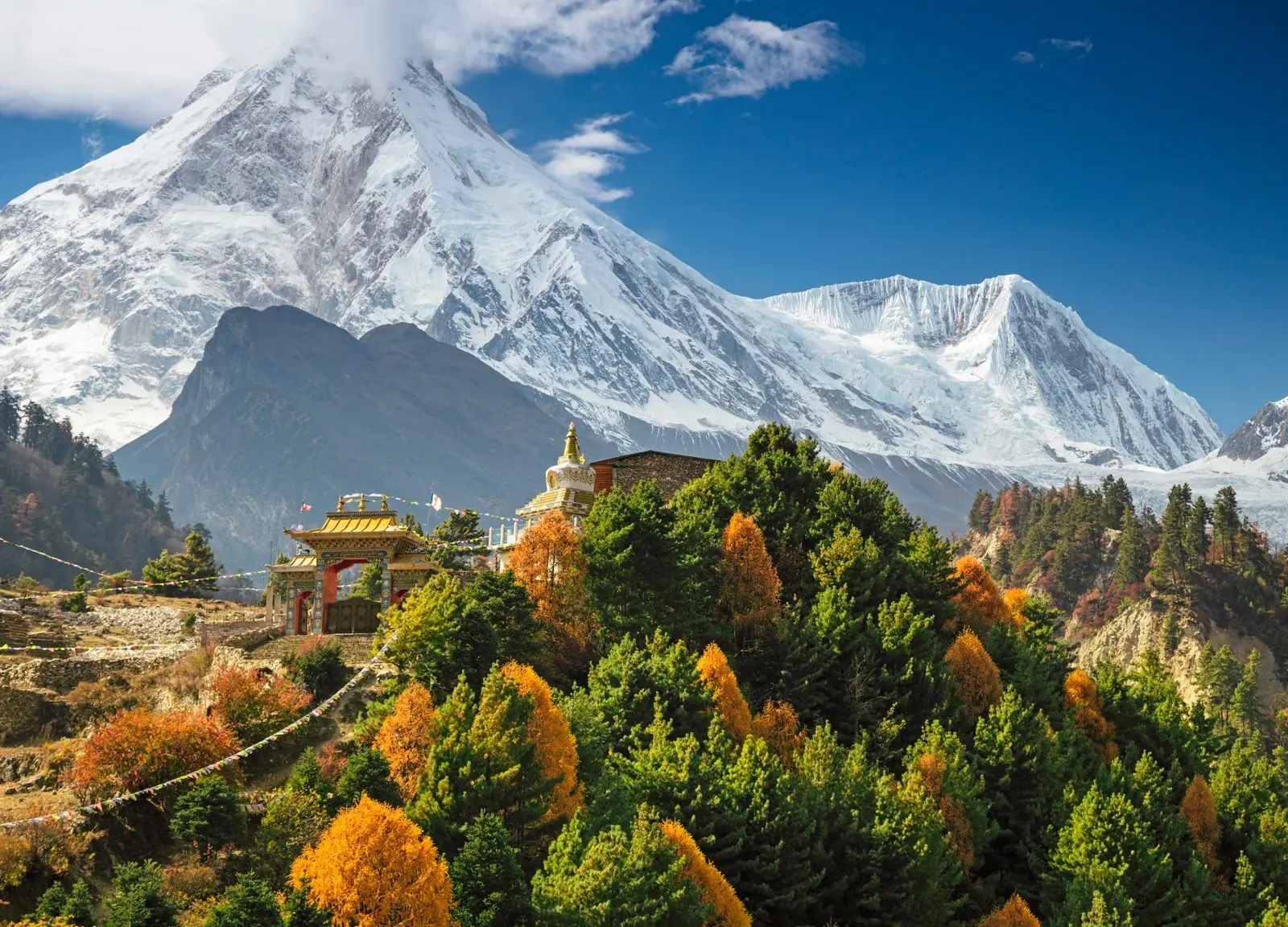
Tsum Valley is on the wetter, southern side of the main Himalaya, so rain and landslides matter more than they do in rain-shadow areas like Mustang. Timing your trek well makes a big difference.
Autumn (late September to November)
Autumn is the most reliable season, with clear skies, stable weather and harvest colours. October is best. Nights are cold at the upper villages, and by late November lodges begin to close. This is the busiest period, so book permits and lodges early.
Spring (March to May)
Spring has flowers and longer days, and rhododendron forests at lower levels. Trails can be wetter than autumn, and afternoon clouds are common. April and early May are good.
Monsoon (June to early September)
Heavy rain, leeches, swollen rivers and landslides make the lower trail difficult and risky. Views are often hidden by cloud. Not recommended for most trekkers.
Winter (December to February)
Cold and quiet, with snow in the upper valley and many lodges closed. Possible for experienced trekkers, but not for standard groups.
Landslides
The lower Budhi Gandaki valley and some side slopes are prone to landslides, especially after rain. Trails may be rerouted or temporarily closed. A flexible schedule is the best defence.
Festivals
Local festivals follow the lunar calendar. Visiting during a festival can be memorable but also busy. Ask your guide about dates and etiquette.
Choosing dates
- Best overall: October.
- Good alternative: April to early May.
- Avoid: June to August unless you are experienced and flexible.
A month-by-month snapshot
- March: cold at the top, rhododendrons beginning lower down; snow possible above Chhokangparo.
- April: warming, clear mornings, afternoon cloud; a popular spring month.
- May: warm and increasingly humid; haze and afternoon showers become common.
- June to August: monsoon; landslides and leeches.
- September: still showery early, clearing by the end of the month.
- October: the standard peak: stable, clear and colourful.
- November: cold, clear and quiet; shorter days.
- December to February: winter; snow in the upper valley, many lodges closed.
Daylight and walking hours
Day length changes the plan. In November and December the sun sets before 5:30 p.m. in the valley and may leave the narrow trail in shadow even earlier, so long days become hard. In April and October you have comfortable daylight to complete 6 to 7 hour days. Plan your start time from the sunset, not from the lodge breakfast.
What the season does to the trail
After the monsoon, trails are often repaired but still muddy and washed out in places. In spring, snowmelt feeds streams that can swell by afternoon, so cross them in the morning. In both seasons, ask your guide for news from the last group down the valley; recent information beats any guidebook.
Common questions
What is the best month for Tsum Valley?
October for stable weather. April to early May is a good alternative.
Can I go in the monsoon?
It is not recommended because of landslides, leeches, cloud and swollen rivers.
Is Tsum open in winter?
Many lodges close and snow can make the upper valley difficult. It is not suited to standard trekking.