Tsum Valley is often described as an easier restricted-area trek because it stays below about 3,800 m. That is true for altitude, but the trail is narrow, long and sometimes rough. Here is what to expect.
Altitude
Heights and times here are rounded. A lodge sign or your guide's GPS may differ by a little.
The valley rises from Lokpa at about 2,240 m to Mu Gompa at about 3,700 m. Most nights are spent between 2,300 and 3,400 m. That is within a range where most healthy trekkers adapt well, but altitude illness can still occur, especially if you ascend quickly. Take it slowly and follow the usual rules. See an example acclimatisation plan.
Trail conditions
- Narrow paths along steep slopes, with exposure in places.
- Suspension bridges and stone steps.
- Landslide-prone sections, especially after rain.
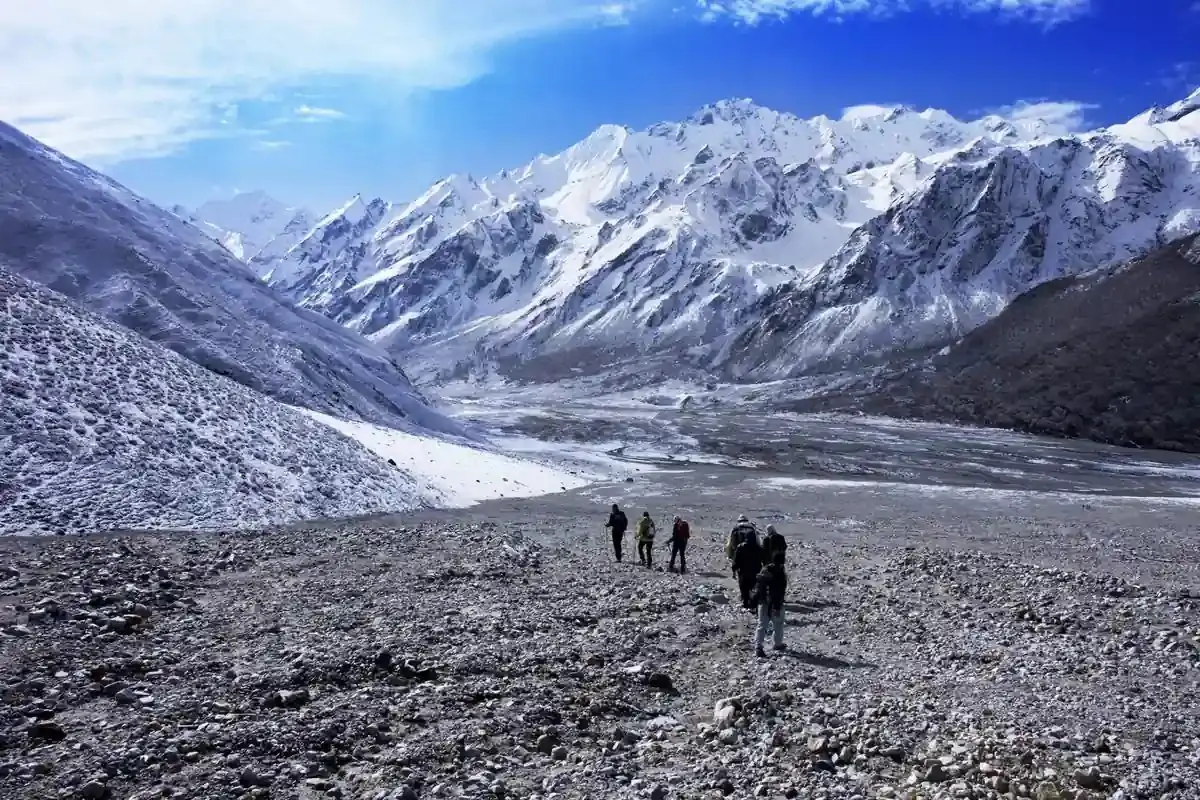
- Rough, uneven ground with loose stones.
- Mud in the lower, wetter sections.
Daily walking
Days are typically 5 to 7 hours, with ups and downs along the valley sides. The total ascent and descent can be tiring even when the altitude gain is moderate. A steady pace and good footwear matter.
Fitness
You should be able to walk for several hours a day on uneven terrain. Regular hiking, cardio and leg strength training for a few weeks before you travel will help. No technical skills are needed.
Weather
Spring and autumn are the best seasons. Rain and cloud can be common outside those months, and the trail becomes slippery. Prepare for cold nights, especially above 3,000 m.
Compared with the Manaslu Circuit
Tsum Valley is gentler in altitude than the full circuit with its pass at 5,106 m, but it is not necessarily easier overall, because the trail is more demanding. See how hard is the Manaslu Circuit for context.
Safety
- Tell your guide how you feel each day.
- Carry rain gear and warm layers.
- Follow guide advice on landslide sections.
- Make sure your travel insurance covers trekking to at least 4,000 m and helicopter evacuation.
Self-check before you book
- Can I walk 6 hours on rough ground with a daypack and still feel good?
- Am I comfortable on narrow trails and suspension bridges?
- Have I trekked above 3,000 m before?
- Can I accept simple lodges, shared toilets and few showers?
- Do I have flexibility for landslide delays?
If you can answer yes to most of these, Tsum Valley is within reach.
Training plan
Start six to eight weeks before departure. Walk on hills with a loaded pack at least twice a week, add stairs or step-ups, and include one long walk of 4 to 6 hours each weekend. Strengthen knees and ankles with squats and lunges. Try your boots and poles on the long walks, so there are no surprises.
Common issues
- Blisters on the long descents: tape hot spots early.
- Sore knees: poles and a slower pace help.
- Stomach upsets: wash hands, eat hot food, drink treated water.
- Fatigue from heat and humidity on the lower trail: drink and rest.
Common questions
How high does Tsum Valley go?
Mu Gompa, at about 3,700 m, is the highest point on the usual route.
Is Tsum easy?
Altitude is gentle, but the trail is long, narrow and sometimes rough, so it needs reasonable fitness and good footwear.
Can altitude sickness happen in Tsum?
It is less likely than at higher treks, but possible, especially with fast ascent or poor sleep.