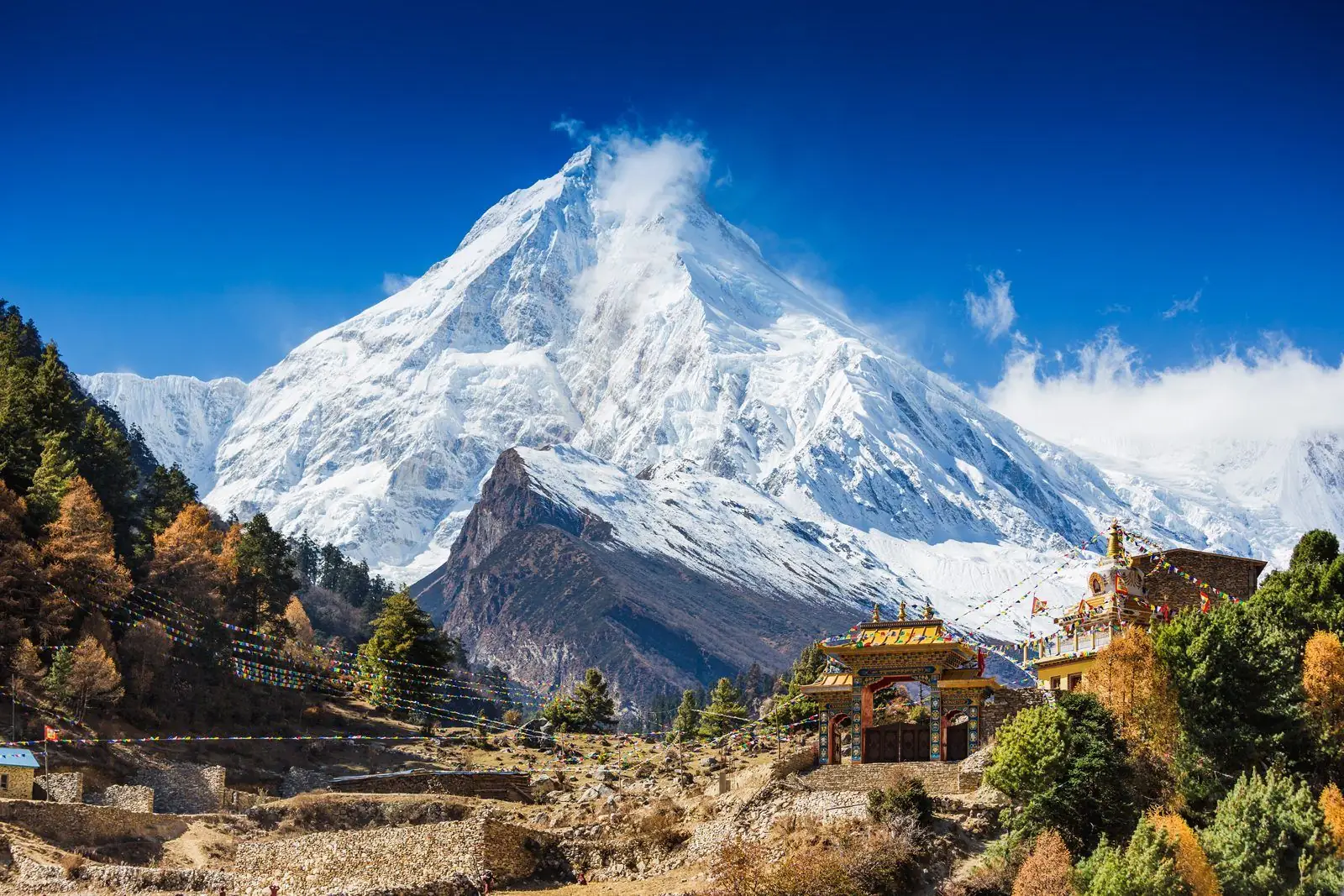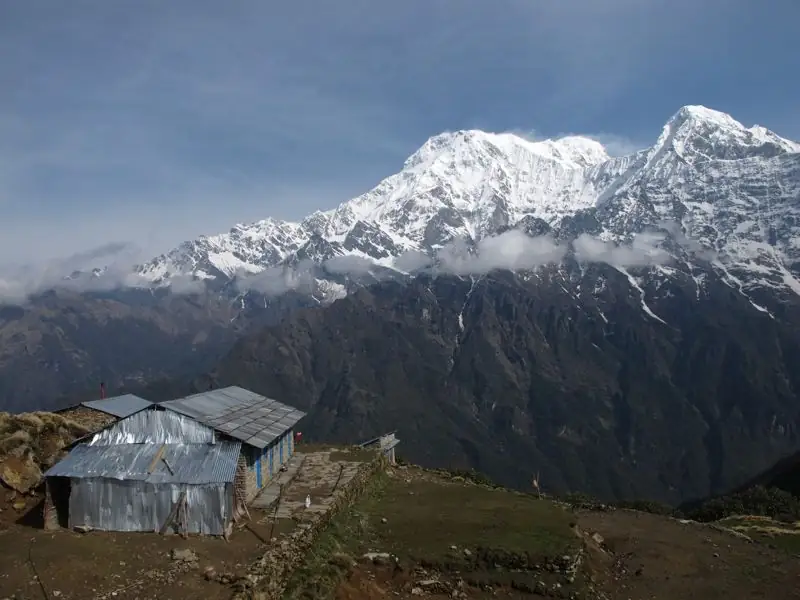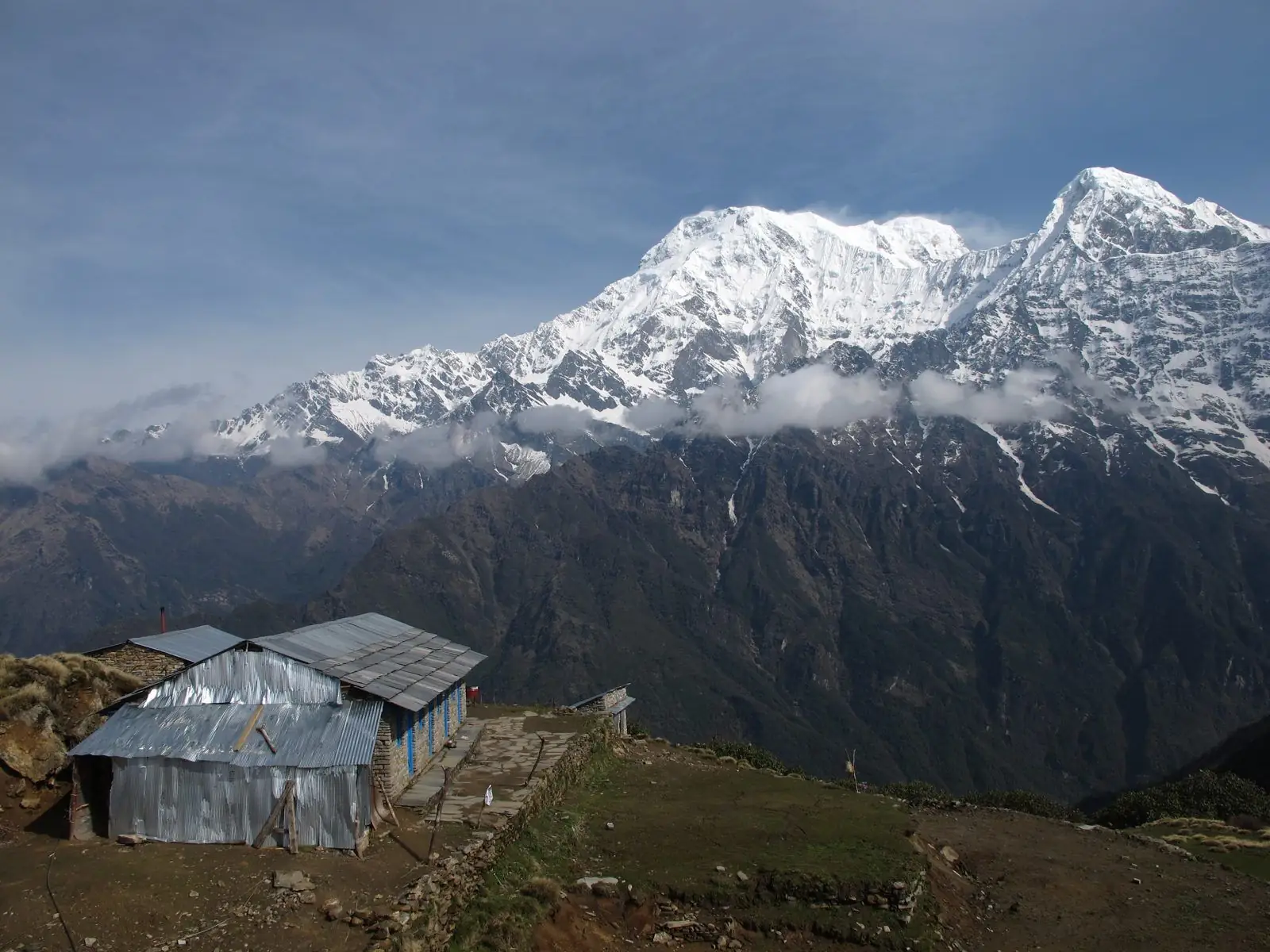
Tsum lodges are simple, family-run and welcoming. Rooms are small, bathrooms are shared and food is basic but hearty. Packing for rain at the start and cold at the top will make the trek comfortable.
Lodges
Expect twin rooms with thin mattresses, a shared dining room and simple toilets. Hot showers are rare. In busy periods, lodges may fill up, so your guide should arrange rooms in advance.
Food
Dal bhat, noodles, fried rice, potatoes, soup and tea are the staples. Tsampa, yak cheese and local specialities may be available. Bring snacks you like.
Water
Treat all water. See our blog on water purification.
Power and signal
- Charging is limited and may cost extra. Bring a power bank.
- Phone signal is patchy, often absent.
- Carry cash: there are no ATMs in the valley.
Clothing
- Base layers, fleece and down jacket.
- Waterproof jacket and trousers for the lower trail.
- Warm hat, gloves and a buff.
- Quick-drying trousers and shirts.
- Sturdy, broken-in boots and warm socks.
Equipment
- Sleeping bag rated to about minus 10 degrees Celsius.
- Trekking poles.
- Headlamp with spare batteries.
- Rain cover for your daypack.
- Leech socks or insect repellent in monsoon shoulder months.
Etiquette gear
Carry modest clothing for monasteries and nunneries, including long trousers and a scarf or shawl. Respect rules on photography.
A typical day on the trail
Mornings start around 6:00 with tea and porridge, eggs or Tibetan bread. You leave by 7:30, walk three hours before a lunch stop (dal bhat or noodles), and then walk another two to three hours to the night's village. Arrival is usually mid-afternoon, which leaves time to wash, visit a gompa and sit by the dining-room stove. Dinner is early, around 6:30, and most people are in bed by 8:30. In lower villages the evenings are warm enough to sit outside; above Chhokangparo you will want the stove.
Packing for two climates in one trek
The lower Budhi Gandaki is warm, humid and often wet; the upper valley is dry and cold at night. Pack a light rain jacket and quick-drying shirts for the first four days, and keep your down jacket, hat and gloves reachable for the upper villages. Dry bags separate wet and dry clothing. Avoid cotton, because it does not dry on the trail.
Weight and porters
Agencies normally set a limit on the weight a porter carries, often around 15 to 20 kg per person's share of a duffel. Ask what limit applies on your trip and pack within it. A well-packed duffel with your sleeping bag, down jacket and spare clothing, and a daypack with rain gear, water, camera and snacks, is all you need.
Common questions
Are there hot showers in Tsum?
Rarely. Some lodges offer buckets of hot water for a fee.
What sleeping bag do I need?
One rated to about minus 10 degrees Celsius is suitable for most seasons. Colder is better for late autumn.
Is there phone signal?
Patchy at best. Plan on being out of contact for much of the trek.