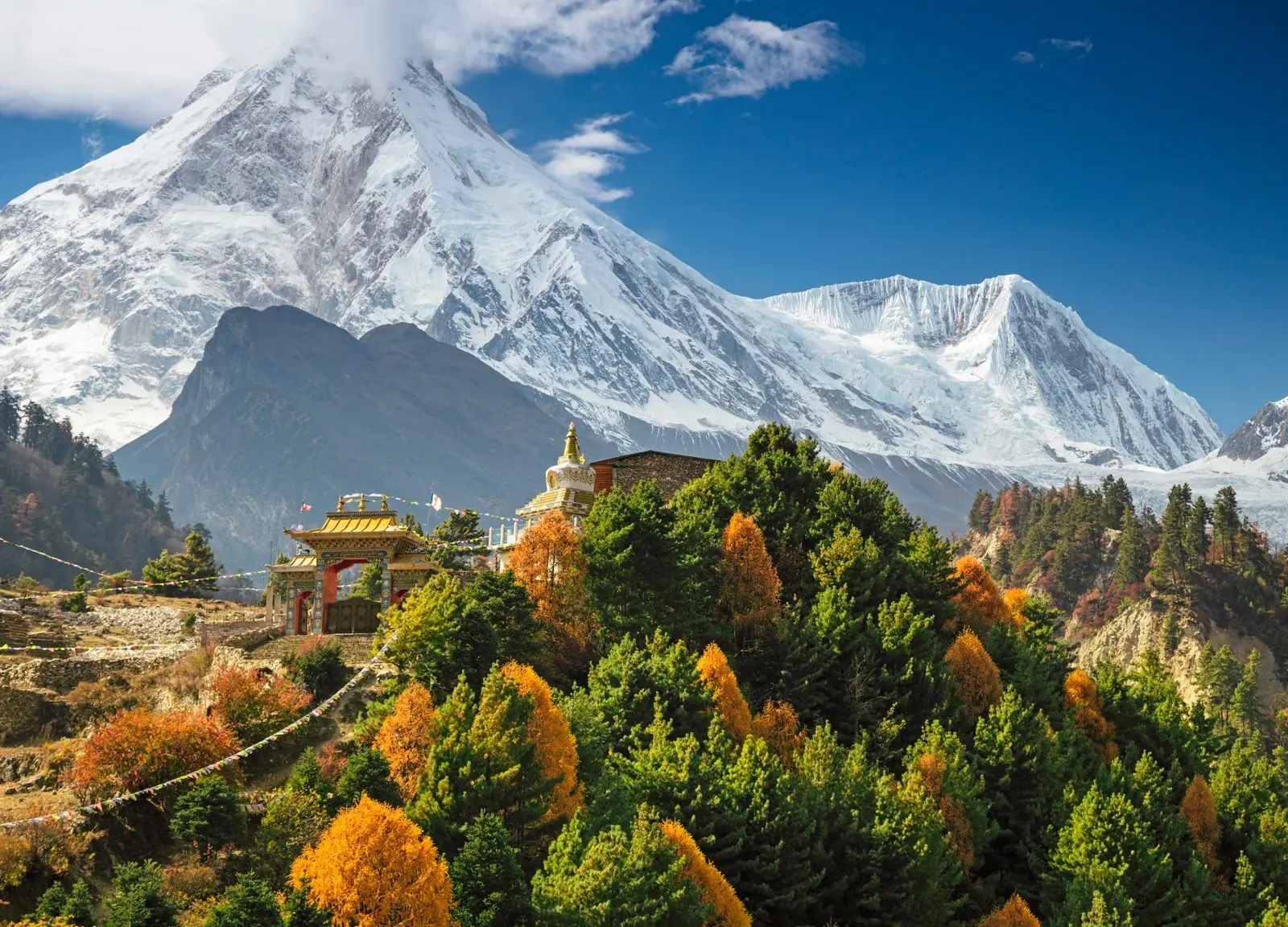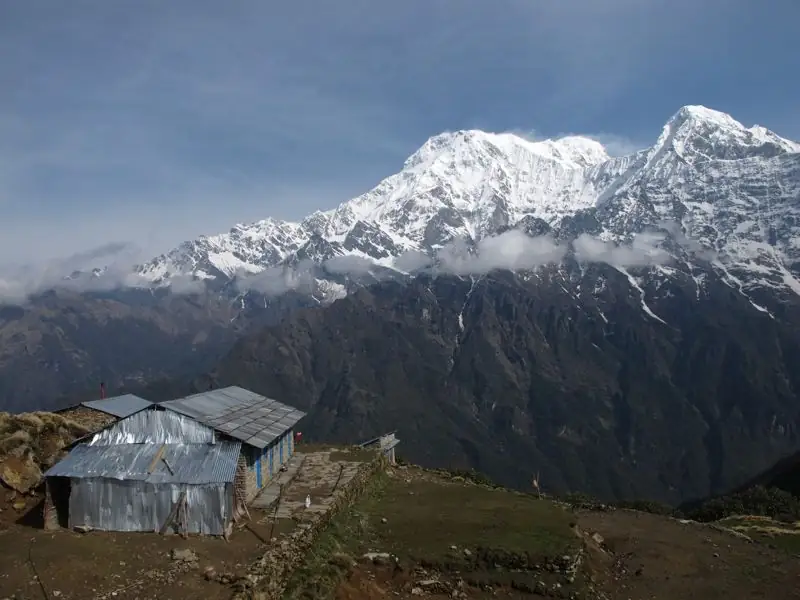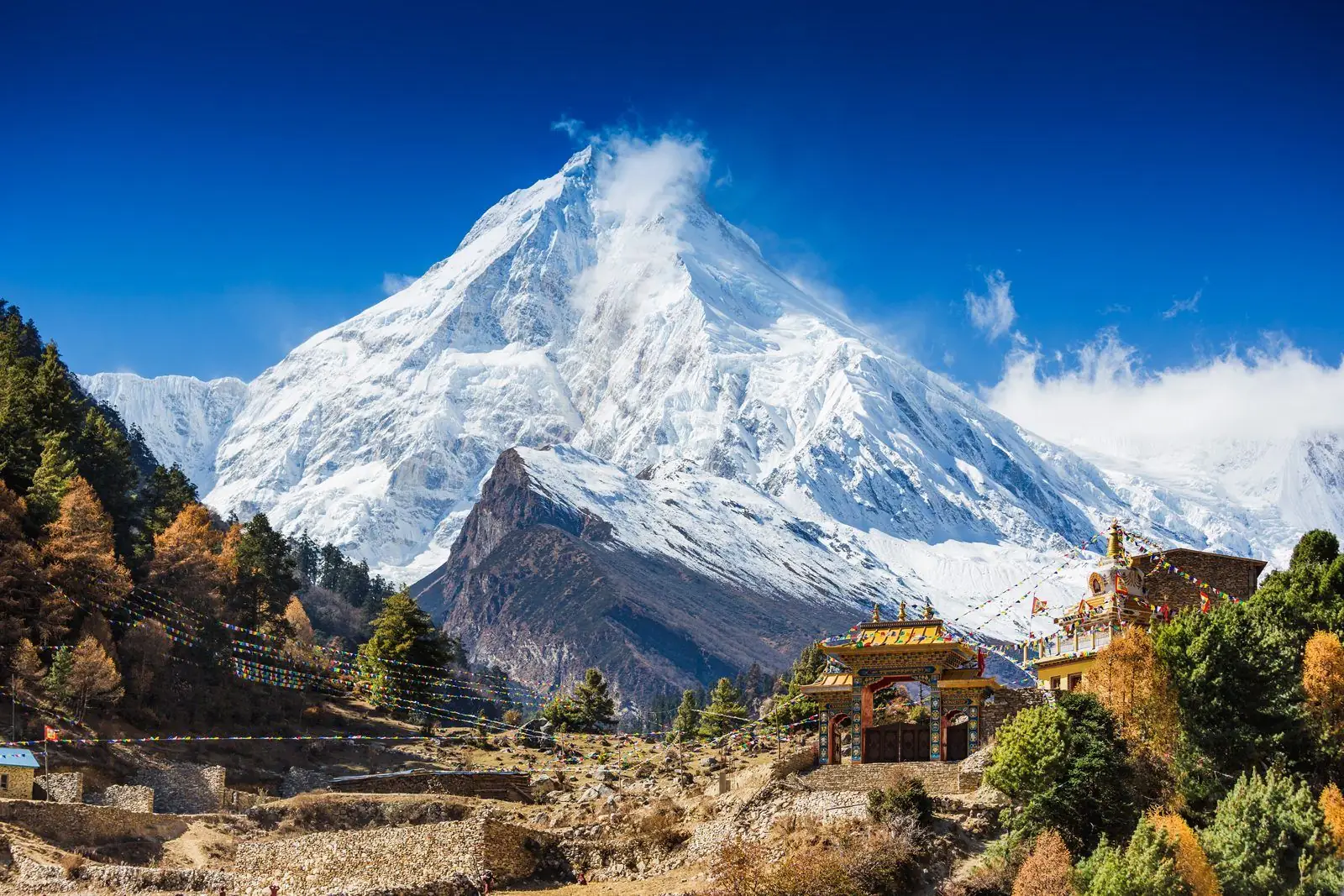
Tsum Valley's main attraction is its religious heritage. Monasteries, nunneries, cave sites and mani walls are scattered through the valley, and many remain active centres of practice. This page covers the best known and how to visit respectfully.
Rachen Gompa
Rachen Gompa is a nunnery near Chhekampar and Lamagaon, one of the largest in the valley. It houses a community of nuns who study and practise, and welcomes visitors with respect. Quiet behaviour and modest dress are expected.
Mu Gompa
Mu Gompa is the highest and most remote monastery in the valley, near the Tibetan border at about 3,700 m. The journey there is part of the experience, passing rock-strewn slopes, prayer walls and open pasture. The monastery is a place of retreat and ritual.
Dephyudonma and Gumba Lungdang
Dephyudonma is a monastery set on a hillside near Chhule, with sweeping valley views. Gumba Lungdang, a nunnery above Chhokangparo, has a peaceful setting and good views of Ganesh Himal. Ask your guide for current information on access and visiting times.
Milarepa's cave, Piren Phu
Piren Phu, often described as the "pigeon cave", is a cave site associated with Milarepa, the Tibetan yogi and poet. Local tradition says he meditated here, and the cave remains a pilgrimage site. The cave is small and sacred, so visit quietly and follow local instructions.
Etiquette
- Remove shoes and hats where required.
- Walk clockwise around chorten, mani walls and prayer wheels.
- Ask before photographing the inside of temples or people.
- Do not touch statues, paintings or ritual objects.
- Leave a small donation in the box if appropriate.
- Do not enter closed areas or interrupt prayers.
Timing your visit
Mornings are often best for visiting, when light is good and ceremonies may be taking place. Some sites may be closed when caretakers are away. A guide who knows the community can help arrange visits.
Understanding what you see
Ask your guide to explain the paintings, statues and rituals. A simple question can open a conversation. Remember that this is a living tradition, not a museum.
Reading a gompa
Most monasteries have a main hall with a central statue (often Shakyamuni Buddha or Padmasambhava), painted walls showing deities and teachers, butter-lamp offerings and a row of seats for monks or nuns. The patterns of colour and symbol are not decoration; they are teaching tools. Your guide can help you identify what you see, though not every temple has the same layout.
Butter lamps and offerings
You may be invited to light a butter lamp or to leave a small donation. It is a kind gesture and a good way to show thanks. Offer with the right hand, or both hands, and do not take photographs of the offering without permission.
Time and pace
Do not treat monasteries as quick photo stops. Spend time, sit quietly and listen. If there is a ceremony, observe from the back. Even ten minutes of stillness gives more than a dozen photographs.
Common questions
Can visitors enter Tsum monasteries?
Usually yes, with respect and permission. Opening times are informal, so ask your guide to arrange it.
Who is Milarepa?
A famous Tibetan yogi and poet of the 11th to 12th century, revered in Tibetan Buddhism. Tsum has caves associated with him.
Should I leave a donation?
A small donation is customary and appreciated, especially at nunneries and monasteries that rely on community support.