People use the word Mustang to describe several different places, and the details matter when you plan a trip. The main difference is whether you cross into the restricted zone beyond Kagbeni.
Lower Mustang
This is the Kali Gandaki valley around Jomsom, Marpha and Kagbeni. It is part of the Annapurna Circuit's western side, and does not need the special restricted area permit. Apple orchards, stone villages and wide valley views are the highlights. It is popular for short treks and for travellers heading to Muktinath.
Muktinath
Muktinath is a sacred temple site east of Kagbeni, visited by Hindu and Buddhist pilgrims. It is reached by road, on foot or by a mix. See our page on reaching Muktinath for options and altitude advice.
Upper Mustang
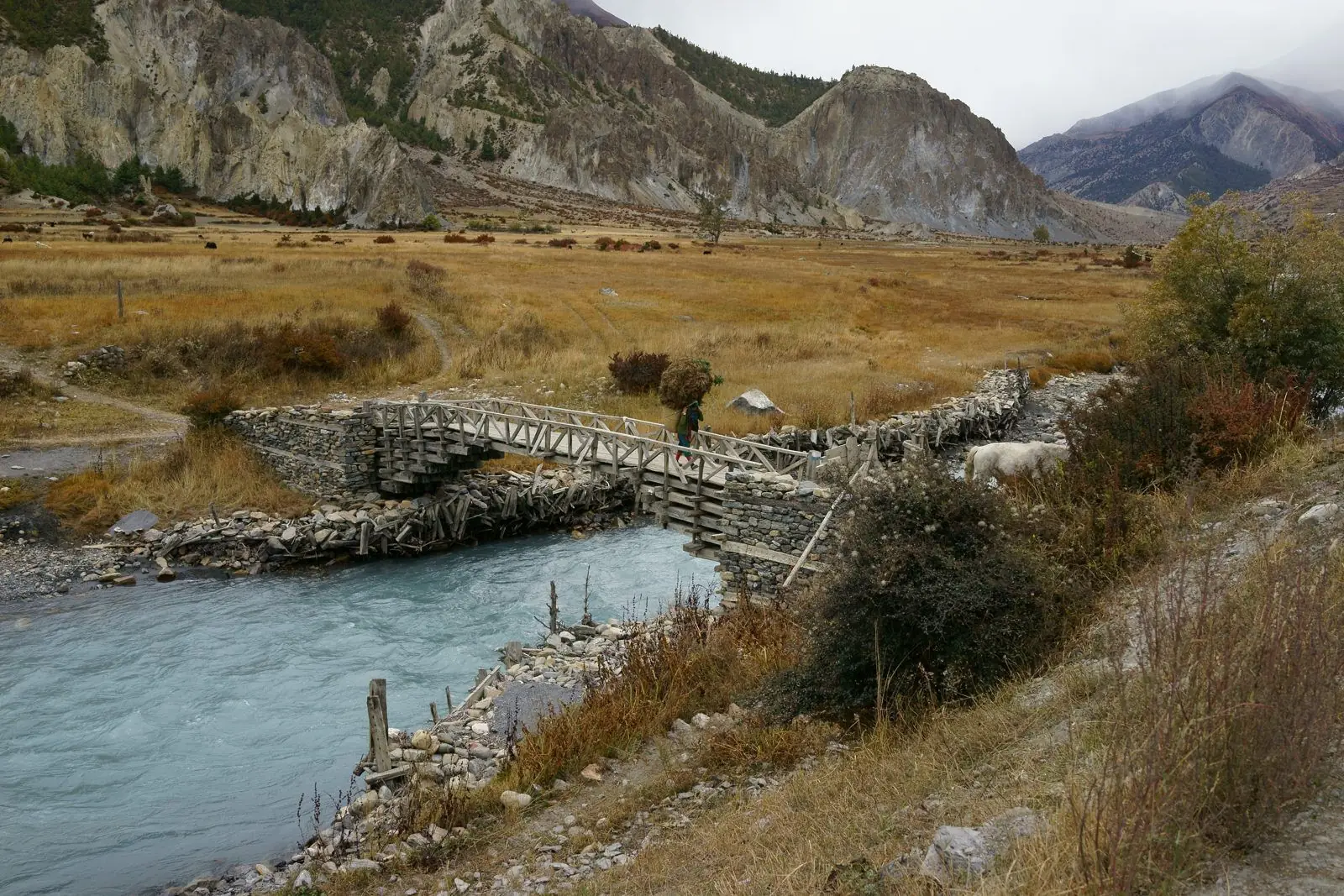
North of Kagbeni, the landscape becomes a high, dry plateau with eroded cliffs and old Tibetan-style settlements. It requires the restricted-area permit, charged by the day, and a guide. The culture feels closer to the Tibetan plateau than to other parts of Nepal.
Comparing
- Time: Lower Mustang and Muktinath can be done in a few days; Upper Mustang takes about a week and more.
- Cost: Upper Mustang costs more because of the permit.
- Landscape: Lower Mustang is greener, while Upper Mustang is stark.
- Crowds: Upper Mustang has fewer visitors.
Many travellers do Lower Mustang and Muktinath first to acclimatise, then continue north. We can set up either plan.
Matching the place to your purpose
If your main goal is pilgrimage, Muktinath and the Lower Mustang valley offer a meaningful, accessible journey. If you want a remote cultural landscape, Upper Mustang is the better choice. If you want scenery and mountain views with fewer permits, Lower Mustang treks such as Jomsom to Kagbeni and the surrounding villages are rewarding. Matching the destination to your purpose avoids disappointment.
Time, cost and difficulty
Lower Mustang and Muktinath require fewer days, lower permit costs and less strenuous walking. Upper Mustang needs more time, more paperwork and more money, but it offers a unique experience. Consider your budget, health and schedule, and discuss with your operator which option provides the best fit.
Combining the two
Some itineraries start with Muktinath and continue into Upper Mustang, or the reverse. This can be a good way to acclimatise and to see both regions in one trip, but it adds days. Check the logistics, including flights and road conditions, and keep spare days for delays.
Summary points
- Lower Mustang: accessible, scenic, easier paperwork.
- Muktinath: sacred, high altitude, suitable for pilgrims.
- Upper Mustang: restricted, remote, culturally rich.
Matching to your goal
For pilgrimage and a short trip, choose Muktinath. For apple orchards, Kagbeni and Jomsom scenery, choose Lower Mustang. For a deep dive into Tibetan culture and a dramatic desert landscape, choose Upper Mustang. Each has its own appeal.
Combining the options
Some itineraries include Lower Mustang and Muktinath before or after Upper Mustang. This adds days but offers a broad view of the region.