Small deposit in India. Balance in Nepal.

Annapurna Circuit 18 Days

  • 18 Days
  • Annapurna Circuit, Nepal
  • Customizable
  • Small deposit to book
  • Local licensed guides
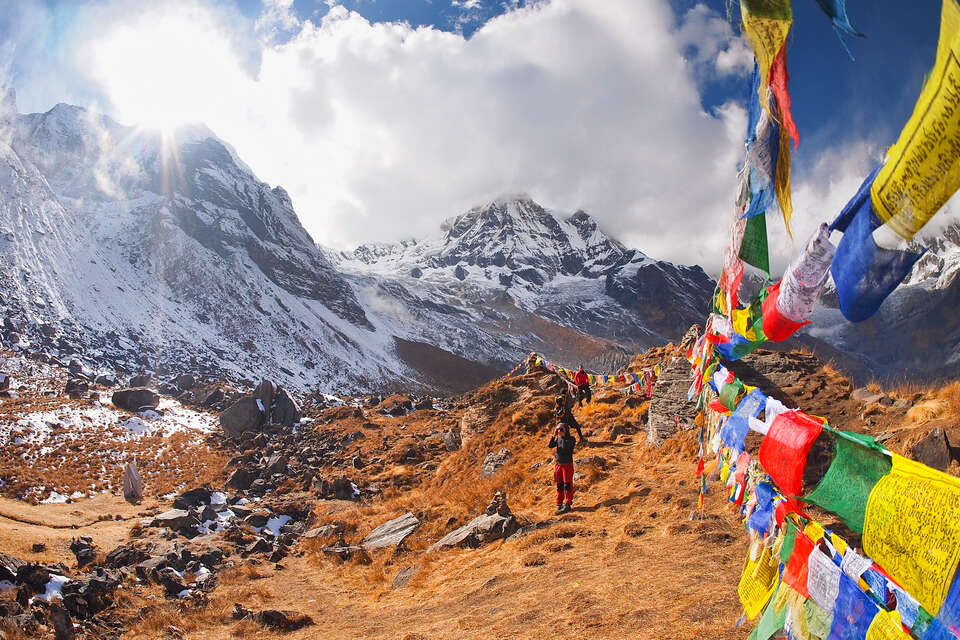
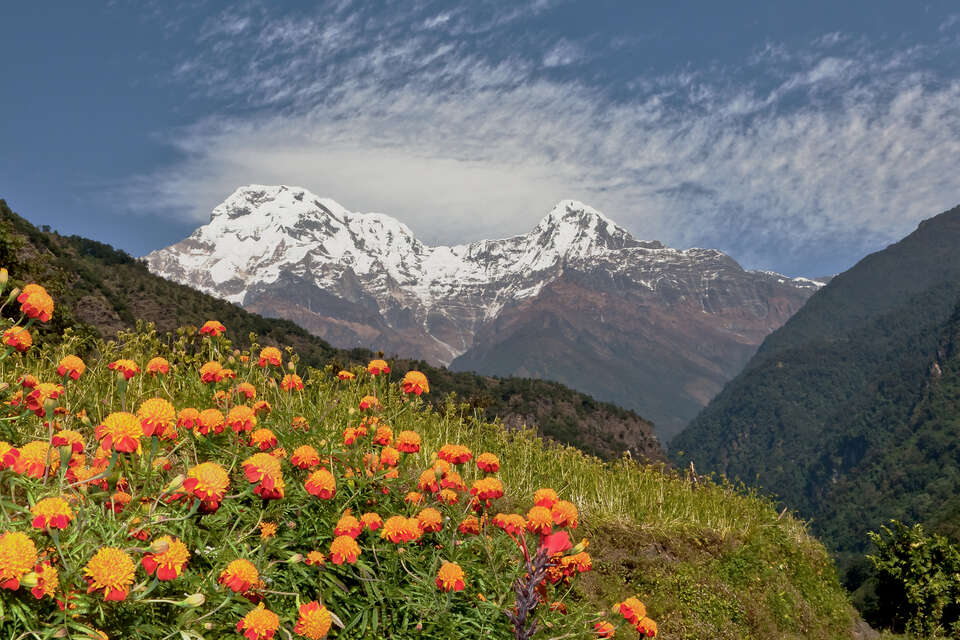
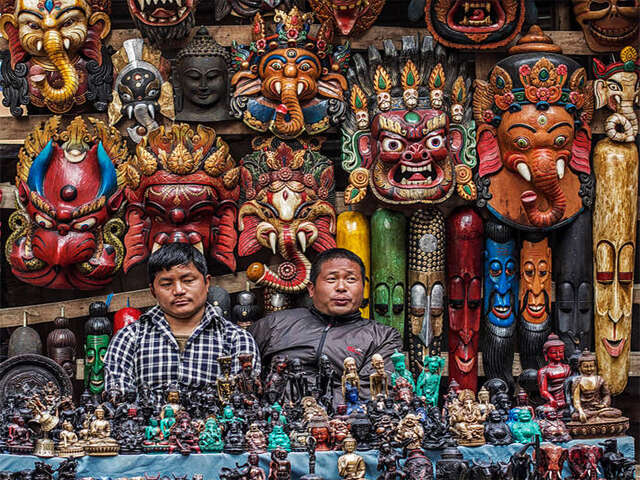
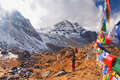
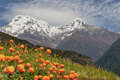
The Annapurna Circuit is one of the world's best treks, and by far the quintessential Himalayan adventure! This route takes us on a sweeping 18-day trek of the formidable Annapurna Range, which has ranked consistently among the world's top ten trails. Explore the physical and cultural diversity of Nepal! The circuit has been open to foreign trekkers since 1977, and has, in the intervening decades, come to be regarded as a classic enjoyed by adventure-seekers the world over. This spectacular walk brings you through lush green valleys and charming villages, with glorious views of the snow-capped Himalayas as a backdrop. Our trek itinerary has been expertly designed for optimal acclimatization time, affording everyone the opportunity to enjoy their experience to the fullest.

    What's Included?

  • 18 Days Adventure, 15 of which includes 3 meals a day
  • 2 Nights Accommodation in Kathmandu with Breakfast
  • 1 Night Accommodation in Pokhara with Breakfast
  • All Airport Transfers
  • All overland transportation
  • Accommodation on Twin Sharing basis, while Trekking
  • Trekking Permit/TIMS Card - Trekkers Security Card
  • English Speaking Guide, Government Licensed
  • Porter service
  • All Government and Local Taxes
  • Return from Pokhara to Kathmandu in Tourist Class Bus
  • First Aid Kit
  • Trip Completion Certificate
  • Farewell Dinner
 
* Travel Insurance is required on all Treks (read more)
* No Extra Fees for Solo Travelers (read more)

Annapurna Circuit Route Profile

Day 1 - Kathmandu: Arrival Day

Altitude: 1350m/4428ft
Welcome to Nepal and the start of our adventure! One of our Airport Representatives will be on hand to greet you when your plane lands and transfer you to your hotel in Kathmandu. We'll have a final briefing in the evening and then turn in early in advance of a big day tomorrow.

Day 2 - Kathmandu to Besisahar

Besisahar 820m/2700ft Driving (7 to 10 hours)
We have a lengthy drive today from the capital to Besisahar as we come nearer to the trek's physical starting point. You'll catch your first glimpse of snow-capped mountain scenery today!

Day 3 - Besisahar to Syange to Chamje

Chamje 1385m/4540ft Drive (1 hour) and Trekking (5 to 6 hours). 8 Km Hike/5 miles
This is it! We leave Besisahar bright and early and drive to Syange, where we'll take the first, easy stroll of the journey. It's downhill and steep to start, as we head in the direction of Bahundanda. The sight of a roaring waterfall is our cue to cross over the Marsyangdi River via suspension bridge. The path of the river will bring us initially through the stone village of Jagat before ending the day in Chamje.

Day 4 - Chamje to Bagarchhap

Bagarchap 2160m Trekking (6 to 8 hours). 15 km/9 miles
We're still following the Marsyangdi as a new day begins, climbing steadily towards Tal, the first village of the Manang district. Beyond that, our trail crosses a wide, flat valley, and then zip-zags up and down towards Dharapani. We'll know we have arrived when we see the chorten, or stone entrance, typical of Tibetan-influenced architecture. The views give way to many flat-roofed homes, set against orchards of apple trees and fields of waving maize. We'll stay the night in neighboring Bagarchhap.

Day 5 - Bagarchhap to Chame

Chame 2710m/7090ft Trekking (5 to 6 hours). 13km/8 miles
We pass through Tyanja first on Day 5, and then through the forest and parallel to a river on the way to Kopar. Chame, our stop for the evening, is the seat of the Manang district. The people of Chame followed the Nepal-Tibet trade route a long time ago, and settled here. They brought with them the customs and building style of the Tibetans, and have upheld the culture through the centuries. Chame has lovely views of Annapurna II, and is crossed by a pair of burbling hot springs.

Day 6 - Chame to Pisang

Pisang 3250m/10660ft Trekking (5 to 6 hours). 13km/8 miles
Through the forest, across a steep valley, over a river and some bridges... our path to Pisang is not a boring one! On the way we'll be treated to spectacular views of the soaring Paungda Danda rock face.

Day 7 - Pisang to Manang

Manang 3540m/11600ft Trekking (6 to 7 hours). 15 km/9 miles
We're moving through the higher, drier portion of Manang, which receives little monsoon hydration due to the natural shield of the Annapurnas. The farmers here breed yaks and raise crops, while taking advantage of special trading dispensations that they've had since the 18th century. We're back following the Marsyangdi as of Mungji village, and then on our way through either Hongde, with a little less climbing, or Ghyaru, which has more picturesque views. Either one will bring us to our guesthouse at Manang.

Day 8 - Manang: Acclimatization Day

Manang 3540m/11600ft Rest Day
We'll linger in Manang today for a much-needed acclimatization day. We'll keep our legs stretched with some scenic, peaceful day walks around the sprawling village. Not only will we see the sights, but we’ll gradually adjust to the altitude. At night time, we'll return to our guesthouse to rest up for a steeply-ascending leg of our trek.

Day 9 - Manang to Yak Kharka

Yak Kharka 4050m/13290ft Trekking (3 to 4 hours). 10km/6 miles
Our trail ascends a steep, dizzying 500m to the Yak Kharka, and then up through the Tenki Manang as we exit the Marsyangi Valley. Continuing along the Jarsang Khola Valley, we reach Yak Kharka at 4,000m. As the name suggests, there are a lot of yaks here! The vegetation grows sparse, however, as we continue to hit higher altitudes.

Day 10 - Yak Kharka to Thorong Phedi

Thorung Phedi 4450m/14600ft Trekking (3 to 4 hours). 9km/5.5 miles
We'll climb high for about two hours before descending slightly to cross the river. It's all uphill again after that until we reach Thorong Phedi. Some of the newest guesthouses of our trek are located here. We'll be up extremely early tomorrow, so a full night of rest is important!

Day 11 - Thorong Phedi to Muktinath via Thorung La Pass

Muktinath 3800m/12460ft via Thorung Pass 5416m/17800ft Trekking (7 to 8 hours). 16km/9.5 miles
We'll start trekking at 4am today in order to reach the pass before 10am. It's a necessary evil, because if we arrive any later, we'll risk detrimental weather conditions negatively impacting our progress. Considering that we are 5,416m up at this point, the strong winds later in the day can be dangerous! It's a steep climb, but one that it safe and routinely used. Heavy snow can also be a problem. Conquering the foibles of nature reaps rich rewards at this point, however, for the magnificent view from the top of the pass and our arrival in the holy town of Muktinath. The name means "place of Nirvana," and it is said that pilgrims visiting the temple there are relieved of all sorrows. It is a place sacred to Hindus and Buddhists, and filled with fascination and ethereal power. We'll overnight here.

Day 12 - Muktinath to Marpha

Marpha 2670m/8760ft Trekking (6 to 7 hours). 15km/9 miles
Today we travel the scenic, beautiful trail between Muktinath and Kagbeni, via Jhong. This is a less-frequently traveled leg of the Annapurna Circuit, but one that we feel is richly worthwhile for its outstanding views. There are a number of distinctive homes here, all typical of the sect of mountain people who live here, as well as an old gompa.

Day 13 - Marpha to Ghasa

Ghasa 2010m/6600ft Trekking (8 to 10 hours). 20km/12 Miles
Marpha at (2670m) is a charming village with many canals and where you can find a variety of fruit. Make sure you visit the big gomba in the city centre. After lunch we will head towards Ghasa a small Thakali settlement with welcoming people and lodges. You will notice on climate as it becomes drier and colder.

Day 14 - Ghasa to Tatopani

Tatopani 1200m/3940ft Trekking (7 to 8 hours). 20km/12 miles
The name "Tatopani" means "hot spring," and that is what today's destination is best known for. The villagers are ethnically Thakali and Tamang, and have enjoyed their home's reputation as a significant trading post between Nepal and Tibet. This Buddhist village has about six hundred homes. Although we are moving up rather steeply in elevation, the walk is enjoyable as we pass colorful villages, gorgeous flowers, and plenty of lush greenery.

Day 15 - Tatopani to Ghorepani

Ghorepani 2870m/9410ft Trekking (7 to 8 hours). 15km/9 miles
This is it, believe it or not, the last truly challenging leg of our adventure. We'll pass through sizeable Shikha, watching village children running off to school and farmers working their fields. Ghorepani is a major stop for trekkers doing all varieties of the Annapurna Circuit, and is always bustling with activity.

Day 16 - Ghorepani to Poon Hill, Pokhara

Poon Hill 3200m/10500ft Trekking (6 to 7 hours). 15km/9 miles
We'll be up before dawn today, but with good reason: our day kicks off with an excursion to Poon Hill and an indescribably wonderful panorama of three Himalayan peaks (Dhaulagiri I, Annapurna I, and Manaslu) illuminated by the glowing rays of sunrise. From here, we'll also be treated to views of the 6,000m-deep Kali Gandaki Gorge and the visual border of Nepal and Tibet as divided by the trans-Himalayan ranges.

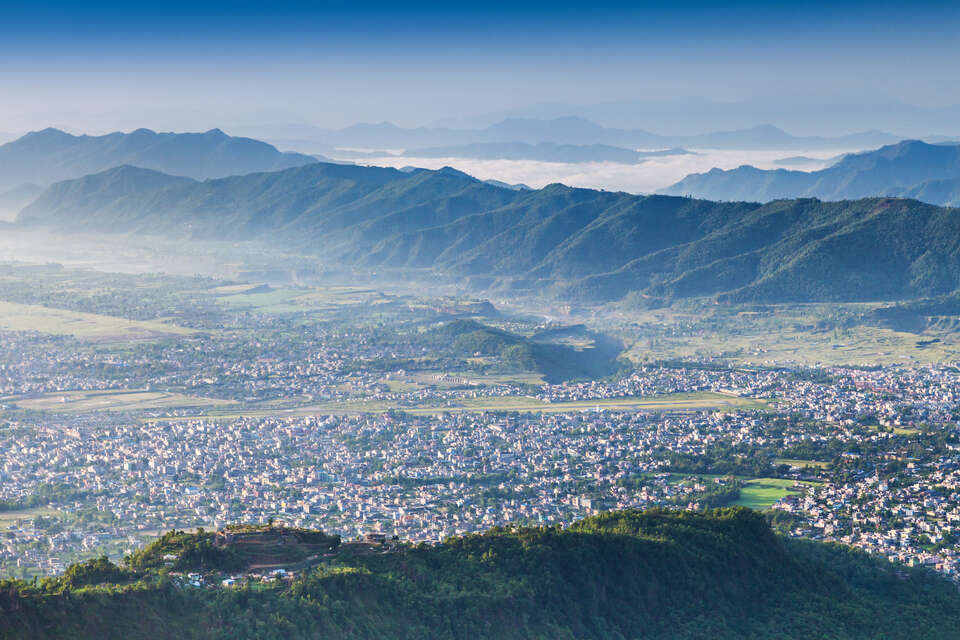
The last walk of our trek is an easy one as we stroll downhill from Tikhedhunga to Nayapul. Here, our trek officially ends. We'll load our tired feet into a taxi and an hour away to gorgeous Pokhara, and a comfy hotel.

Day 17 - Pokhara to Kathmandu

Pokhara 1000m/3280ft Bus (6 to 8 hours)
We will jump on the early morning bus to Kathmandu for the drive back to Kathmandu the way we originally came, ending again in a comfortable hotel. It's our pleasure to take you out for a farewell dinner tonight, and get your feedback on our trip.

Day 18 - Kathmandu: Departure Day

Altitude: 1350m/4428ft
Today we'll ensure that you get to the airport with time to spare, taking our final leave. Hopefully you have made the kind of memories that will last a lifetime.
Our latest terms and conditions can be found here - "Terms and Conditions."

For details on the following please check:
Travel Insurance - (click here)
Extra Costs - (click here)
Schedule Delays - (click here)
Cancellations - (click here)

Please review the "Terms and Conditions" carefully before booking and don't hesitate to ask us if any questions.
The following are what we advise you obtain in the way of equipment and gear before trekking in Nepal, and are meant to keep you mobile and comfortable in a range of expected weather conditions. Trekking gear can be rented or purchased in Kathmandu at cheaper prices, remember Nepal is the home of Mount Everest, there is plenty of choice and our staff can assist you with the necessary arrangements. Except for your day pack, all luggage will be carried by porters. There is an allowance of 33lbs/15kg per person. Additional personal items not needed for the trekking portion of the trip can be checked in the hotel’s storage room for no extra cost.

    Head

  • Sun hat or scarf
  • Light balaclava or warm fleece hat
  • Sunglasses
  • Head torch


    Upper Body

  • Cotton t-shirts or thermals
  • Fleece jacket
  • Waterproof jacket
  • Down jacket


    Lower Body

  • Lightweight cotton long pants
  • Waterproof pants


    Feet

  • Thin inner socks
  • Thick, warm wool hiking socks
  • Comfortable hiking boots


    Hands

  • Gloves


    Accessories

  • Sleeping bag rated to 0°C
  • Trekking bag/duffel bag
  • Large plastic bags (for keeping items dry inside trek bag)
  • Trekking poles (optional, recommended)
  • Water bottle or camel bag
  • Toiletries
Start your adventure here with us!

Frequently Asked Questions

About the Annapurna Circuit

How long is the Annapurna Circuit and what is the route?

Our itinerary takes 18 days from arrival to departure in Kathmandu. You drive to Besisahar, walk anticlockwise up the Marsyangdi valley to Manang, cross the Thorong La at 5,416m, descend to Muktinath and the Kali Gandaki gorge, then finish with Ghorepani and Poon Hill before reaching Pokhara and returning to Kathmandu by tourist bus.

Why do people call it one of the great treks of the world?

Few routes change as much from day to day. You climb from subtropical rice terraces at about 800m through pine forest and Gurung and Manangi villages to a dry, high Tibetan-style landscape, then drop into the apple orchards of Marpha and the deep Kali Gandaki valley. Annapurna, Dhaulagiri, Fishtail and Tilicho Peak come into view along the way.

Is the Annapurna Circuit still worth doing now that roads have reached parts of the valley?

Yes. Jeep tracks now cover some stretches, mainly in the lower Marsyangdi and the Kali Gandaki, but the best sections above Chame and the Thorong La crossing remain on foot. Your guide uses the older trails and side paths wherever possible, so you spend most of the day away from vehicle traffic.

How does this trek compare with Everest Base Camp?

The Circuit is longer, more varied and lower on average, and it has a single big pass day rather than a steady climb to a dead end. Everest Base Camp is shorter but stays above 4,000m for longer. If you want a full cultural and scenic journey, choose the Circuit; if a Himalayan icon is the priority, choose Everest.

Difficulty and fitness

How hard is the Annapurna Circuit?

It is graded strenuous. Most days involve 4 to 6 hours of walking, but the days climbing to Yak Kharka, Thorong Phedi and over the pass are tougher, and the long descent to Muktinath is hard on the knees. If you can comfortably hike for several hours on consecutive days, you can do it with sensible preparation.

What is the hardest day on the trek?

Day 11, from Thorong Phedi over the Thorong La to Muktinath. The day starts well before dawn, climbs about 1,000m to the pass at 5,416m and then drops about 1,600m to Muktinath. Plan for 8 to 10 hours of walking at a slow pace, cold hands and a long day.

How should I train for the Circuit?

Build a base with 3 to 4 cardio sessions a week for two months, add a weekly long hike with a loaded daypack, and include stairs or hill repeats for the descents. Practise walking downhill, because the Muktinath and Tatopani descents surprise many trekkers more than the climbs do.

Do I need previous trekking experience?

Previous multi-day trekking helps, but you do not need technical skills. We recommend at least one multi-day hike at altitude, or a few long weekend hikes, before attempting a route with a 5,400m pass.

Altitude and the Thorong La

How does the itinerary help me acclimatise?

You gain height gradually from Chame (2,710m) to Pisang (3,250m) and Manang (3,540m), then take a full rest day in Manang. After that the stages are short, with Yak Kharka at 4,050m and Thorong Phedi at 4,450m before the pass. This pattern follows the commonly advised rule of limiting how much you sleep higher each night.

What do we do on the Manang rest day?

Most trekkers do an acclimatisation hike to a viewpoint such as the Gangapurna lake or the slopes above the village, then return to sleep at 3,540m. The principle is to climb high and sleep low. Your guide will also check your oxygen saturation and how you feel, so use the day to rest properly rather than push on.

What are the symptoms of altitude sickness, and what will my guide do?

Early signs include headache, nausea, dizziness, poor sleep and unusual tiredness. Tell your guide at once. Your guide carries a pulse oximeter, checks your readings daily and has the final say on whether you go up, rest or descend. Altitude illness can develop quickly, and descending is the most reliable treatment.

What if the Thorong La is closed by snow or bad weather?

Your guide watches the weather and trail conditions at Thorong Phedi and makes the decision on the morning. If the pass is unsafe we wait a day, and the buffer you plan into your trip matters here. Extra days on the mountain are charged at INR 6,000 per day, which covers your stay and three meals.

Should I take medication for altitude?

Speak to a doctor with high-altitude experience before you travel. Some trekkers use prescribed medication as a precaution, but medication does not replace a slow ascent and honest reporting of symptoms. Never use it to push higher while unwell.

Season, weather and route conditions

When is the best time to trek the Annapurna Circuit?

Autumn, from late September to early December, gives the clearest skies and stable conditions. Spring, from late February to May, is warmer with rhododendron flowers on the lower slopes. Winter is possible but the pass can be snowed shut, and the monsoon months bring leeches and landslides on the eastern side.

Does the Circuit get rain during the monsoon?

The Manang and Mustang sides sit in the rain shadow and are much drier than the east, but the first days from Besisahar are wet and slippery between June and August. We run the trek mainly in the spring and autumn windows.

How cold does it get on the pass?

Expect temperatures well below freezing at Thorong Phedi and on the pass before sunrise, often with wind. In the main seasons nights at Manang and above are around freezing. A down jacket, warm hat, insulated gloves and a sleeping bag rated to 0°C are listed on our equipment list.

Permits and logistics

Which permits do I need, and who arranges them?

The trek needs the Annapurna Conservation Area permit and a TIMS card. We arrange both as part of your package. We need a clear scan of your passport after you pay your deposit, so please send it as soon as you can.

How do we reach Besisahar and return from Nayapul?

On Day 2 a private vehicle takes you from Kathmandu to Besisahar. At the end, the trek finishes at Nayapul, a taxi takes you to Pokhara and a tourist bus carries you back to Kathmandu on Day 17. Road conditions affect the drive times, especially in the wet season.

Is there an alternative to flying or driving to start?

The start is overland by design, which also helps with acclimatisation. Some trekkers shorten the route by taking jeeps for the first days, but we recommend walking so that you get the full valley experience and the gradual gain in height.

Accommodation and meals

Where do we stay on the Circuit?

Mostly in village teahouses with twin-share rooms and shared bathrooms. The lodges become simpler above Manang, and Thorong Phedi is basic. Hotels on the route such as Marpha, Tatopani and Ghorepani offer a little more comfort.

What food can I expect?

Dal bhat is the dependable choice, with noodle soup, fried rice, momos, pasta, potatoes and eggs. Marpha is known for apples, and you will find apple pies and brandy along the Kali Gandaki. The package covers three meals a day on 15 of the 18 days; the rest are as listed on the trip page.

Is drinking water included?

No. Treat water from taps and streams with tablets or a filter, or buy bottled water, which costs about INR 100 to 300 per bottle and becomes more expensive as you climb. Refilling a bottle with treated water saves money and plastic.

What do showers, charging and Wi-Fi cost?

Hot showers cost about INR 200 to 300 in some teahouses. Charging costs about INR 200 to 400 for a power bank and about INR 100 for a phone, paid directly to the teahouse. Wi-Fi is about INR 300 to 500 per hour where available. Prices rise with altitude.

Money, costs and tipping

What is included in the price, and what is not?

The package covers the items on the trip page: permits, guide and porter service, accommodation and meals as listed, transport, a farewell dinner and a trip certificate. Not included are insurance, flights to Nepal, your visa if applicable, drinks and snacks, hot showers, charging, Wi-Fi, tips and extra hotel nights. The full list of extras is in our Terms & Conditions.

How much extra cash should I carry?

We suggest budgeting about USD 300 to 400 (INR 25,000 to 40,000) for extras and tips, plus a card or cash for emergencies. Cards are rarely accepted on the trail, so carry enough rupees in cash from Kathmandu or Pokhara.

How much should I tip?

Tipping is optional but customary. About 10% of your trek price, shared between your guide and porter team, is a typical guide.

How do I pay, and what are the fees?

Your deposit is paid in advance. Indian guests pay by bank transfer or UPI; we do not take credit cards in India. Guests outside India can pay by transfer or online card (4.5% processing fee). The balance is paid at our Kathmandu office on arrival in INR, USD, EUR, GBP or another major currency, and card payments in Nepal carry a 13% fee, so cash is cheaper.

Safety, insurance and support

Is travel insurance compulsory?

Yes. Your policy must cover trekking up to 6,000m, emergency medical treatment and helicopter evacuation. Many standard policies stop at 4,000m, so check the altitude limit before you buy. Send us a copy before you arrive. See the insurance section of our terms. Indian passport holders can consider ASEGO or Adventure Sports Cover (ASC360).

What happens if I need to be evacuated?

Your guide contacts the Kathmandu team, which coordinates the rescue with your insurer. You are responsible for medical and evacuation costs, and a helicopter can cost USD 5,000 or more. If you are evacuated, get a formal hospital report in Kathmandu as soon as you can, because insurers often reject claims without it.

Who are the guides, and who employs them?

Your guide, porters and drivers are all employed by Himalayan Wonders Adventure Pvt. Ltd., our licensed operator in Nepal. Guides speak English, hold government licences and have first-aid training. Meet them on our team page.

Is the Annapurna Circuit safe for solo travellers and women?

Nepal is generally welcoming and the Circuit is a busy, well-established route. You trek with a guide, and the teahouse owners know the guides well. We suggest solo travellers join a group departure when possible.

Changing or cancelling your booking

Can I change my dates?

Yes. Rescheduling is free, as many times as you need, with at least 6 weeks' notice. Tell us at least 14 days before departure for any change request. You pay any price difference between your original booking and the new date.

Is my deposit refundable?

50% of the deposit is refundable for 30 days from booking, after which it is not. The deposit stays valid for 365 days and can be used on any trek we offer. If you do not contact us and do not arrive, the deposit is forfeited.

What if I finish early or leave the trek?

We cannot refund unused days or services, because guides and porters are paid for the full period. We help you arrange your return, but extra hotel nights, meals and flight changes are your responsibility.

Do I pay extra if I travel alone?

There is no single supplement for joining a group, and you have your own room in Kathmandu. If you are the only person on a fixed departure, a Solo Support Fee of INR 1,500 per day covers a dedicated porter. We tell you at booking, or as soon as it arises.

Tailor-made
Your trek, your way

Tell us your group, your dates and your budget. We will shape this trek around you.

  • Any group, any size. Families, friends, corporate teams and school groups.
  • Your pace. Add rest days for acclimatization, extend your trek or combine it with another route.
  • Your budget. Share it with us and we will plan around it.
  • Your dates. Reschedule free, as often as you need, with 6 weeks’ notice.
Customise this trek
Why book with us
  • One local team. Your guide, porters and driver are all employed by Himalayan Wonders Adventure Pvt. Ltd., our licensed operator in Nepal.
  • Led by experienced specialists. Our guides know the route, its teahouses and its high passes well.
  • Safety first. Guides are trained in Wilderness First Aid, and they check your oxygen levels every day. Your guide decides whether you continue, rest or descend, and that decision is final.
  • Clear pricing. Our Terms list the extras up front, so there are no surprises on the trail.
  • A deposit that stays flexible. It is 50% refundable for 30 days and valid on any trek or climb for a year.
  • Real people, quick replies. We answer every email within 24 hours. You can also call us on +91 932 595 1234, 9am to 7pm IST.
  • Big group? We can help. We arrange custom group treks at every level.
Trekking Facts
Trek Name:
Annapurna Circuit Trek
Best Season:
Autumn (Sep to Dec) & Spring (Feb to May)
Transportation:
By tourist Vehicles (bus, Car, Van)
Accommodation:
Tea house /Camping
Grade:
Strenuous Trek
Highest Point:
5416m
Duration:
18 Days
Group Size:
Min 1 to Max 10
Culture:
Gurung, Magar, Thakali
Himalayan Sights:
Annapurna, Dhaulagiri and Fishtail
Attraction:
Close Mountain View, Villages
All inclusiveRs. 100,000 INR
WhatsApp Enquire now